


Musk Confirms SpaceX 2026 IPO: The Dual ‘Trillion-Dollar’ Bet with Hidden Risks



AI Podcast


SpaceX is reportedly preparing for an IPO as early as mid-to-late 2025, potentially valuing the company at $1.5 trillion and raising $30 billion. Elon Musk confirmed these speculations, which analysts attribute to Starlink's growth and Starship program progress. This move could revolutionize communication and data services. However, significant risks exist, including adapting to public market scrutiny, the inherent uncertainties of space exploration, and potential conflict between short-term investor demands and SpaceX's long-term, high-cost projects. The valuation hinges on aggressive future growth projections, making it a high-stakes investment reliant on Musk's vision.
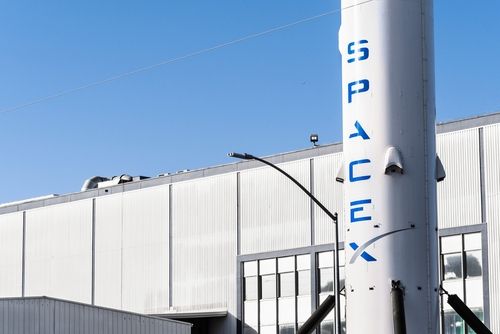
TradingKey - Elon Musk has confirmed speculation that his space exploration company, SpaceX, is preparing for an IPO as early as 2026. The potential listing, which could value SpaceX at over $1 trillion, might catapult it into the ranks of the world's top ten most valuable companies. This raises a critical question: Will it be the next tech titan or merely a litmus test for the current capital bubble?
Bloomberg reported on December 9, citing sources familiar with the matter, that SpaceX is moving forward with plans for an initial public offering (IPO) as early as mid-to-late next year. This could raise $30 billion and push its total valuation to as high as $1.5 trillion.
If SpaceX sells just 5% of its shares, the $40 billion financing would surpass Saudi Aramco’s record $29 billion IPO in 2019. Furthermore, a $1.5 trillion market capitalization would significantly exceed the $800 billion valuation from its most recent private funding round, making it potentially the largest IPO in history.
Initially, capital markets were skeptical about the SpaceX IPO rumors. This doubt stemmed from Musk's frequent complaints about the drawbacks of public companies and his previous statements indicating that SpaceX would only consider an IPO after reaching specific financial or project milestones, such as regular flights to Mars.
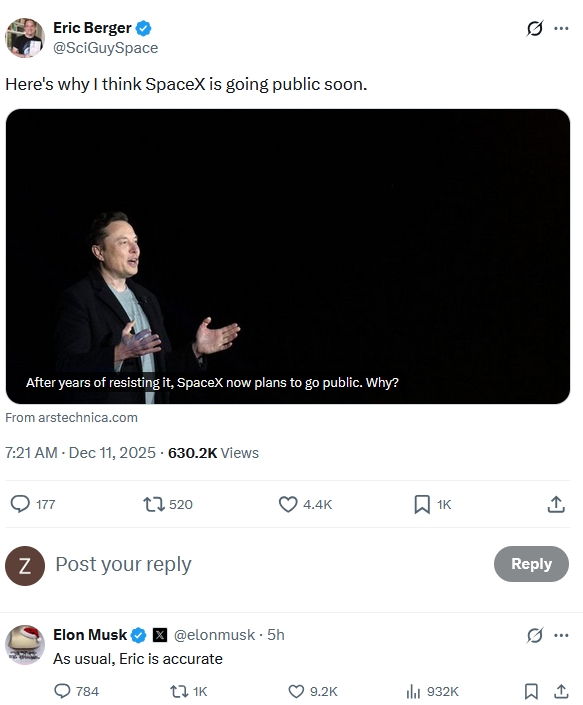
However, on December 11, Musk personally responded to Ars Technica reporter Eric Berger's speculation about the IPO on X, stating, "Eric is accurate." This reply directly validated the reports of the commercial aerospace giant heading for the public market.
Source: X
Analysts suggest that SpaceX's faster-than-anticipated move towards an IPO is primarily driven by the rapid growth of its high-speed satellite internet service, Starlink, coupled with the smooth progress of its fully reusable Starship rocket program.
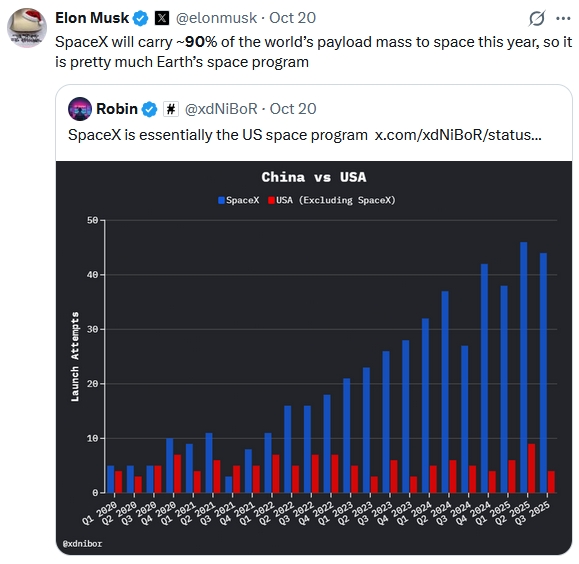
SpaceX already holds an undisputed leading position in the global commercial satellite sector. In 2024, it launched approximately 50% of all new satellites worldwide, a proportion projected to rise to 90% by 2025. Beyond SpaceX's ambitious plans for lunar and Martian missions and broader commercialization of global satellite communications, Musk has also expressed intentions to send AI data centers into space.
Source: X
Therefore, this integration of cutting-edge "space + satellite + communication + data infrastructure" technologies and applications holds the potential to revolutionize global communication, networking, space exploration, and data services.
Driven by SpaceX's visionary outlook, commercial prospects, and Musk's inherent influence, this "generational IPO" has already become one of the most anticipated listings for 2026 across various communities. Its prominence even overshadows other potential 2026 IPOs, including OpenAI, the developer of ChatGPT, and Anthropic, the creator of the Claude AI model.
Bloomberg estimates that if SpaceX ultimately achieves a $1.5 trillion market capitalization, Musk's current stake in the aerospace company, valued at $136 billion, would surge multiple times to over $625 billion. When combined with his holdings in other companies such as Tesla, the world's richest person's total assets could soar to $952 billion as early as next year, making him an unrivaled "trillionaire."
While the prospect of "dual trillion-dollar valuations" for SpaceX and Musk is exciting, and broader capital inflows will support SpaceX's imaginative and constructive projects, the inherent risks should not be underestimated. On one hand, private companies operating in high-risk industries may struggle to adapt to the financial scrutiny of a broad investor base after going public.
Space exploration by private companies is inherently an "idealistic" but highly uncertain endeavor. Risks include rocket launch failures, escalating launch costs, and increased regulatory and execution risks for satellite deployment. Private consortiums typically have a higher tolerance for companies in commercial exploration phases, accommodating rapid trial-and-error and a high-risk culture.
Musk has successfully led SpaceX to become an industry leader, yet the "short-termism" often associated with public listings could erode SpaceX's foundational strengths. Investors may demand consistent and stable financial performance, concrete project execution, and greater visibility into the company's growth prospects.
Once public, the pressure for strong quarterly reports and sustainable shareholder returns could force the company to cut long-cycle, high-cost space exploration projects.
Some observers note that all of SpaceX's successes to date have occurred while the company was private. SpaceX's corporate identity and cultural DNA are deeply imprinted with an independent spirit, making it challenging to imagine how a publicly traded SpaceX would adapt to the market rules and regulatory oversight that come with it.
On the other hand, investors' most direct concern is whether the valuation is justified. A $1.5 trillion listing valuation implies extremely high expectations for decades of growth, market share, and monopolistic capabilities in global communication infrastructure—all of which are subject to significant variables.
For example, despite Nvidia's dominant position in the AI chip market, competitors like Google are launching unprecedented challenges with their in-house TPU chips.
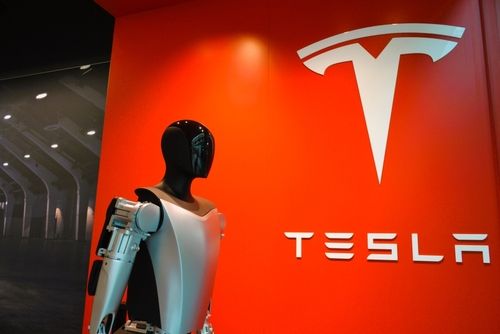
For investors, participating in a SpaceX IPO would essentially mean buying into Musk's vision, similar to investing in Tesla's AI and humanoid robot aspirations. The timeframe for realizing SpaceX's promises in space, communication, satellite networks, and data infrastructure remains highly uncertain.
Investing in Musk's companies requires believing in the "Musk premium." Learning from Tesla's experience, the biggest risk lies in an over-reliance on Musk's personal charisma, vision, and engineering management capabilities. This year, Tesla shareholders have already felt the pain from Musk's various diversions.
This content was translated using AI and reviewed for clarity. It is for informational purposes only.
Recommended Articles





Comments (0)
Click the $ button, enter the symbol, and select to link a stock, ETF, or other ticker.