Imf Warns EU Not To Offset The Energy Price Spike Too Much



WASHINGTON, April 17 (Reuters) - European governments should not excessively shield businesses and consumers from more expensive energy because that distorts the price signal to cut consumption and could be fiscally very expensive, the International Monetary Fund said.
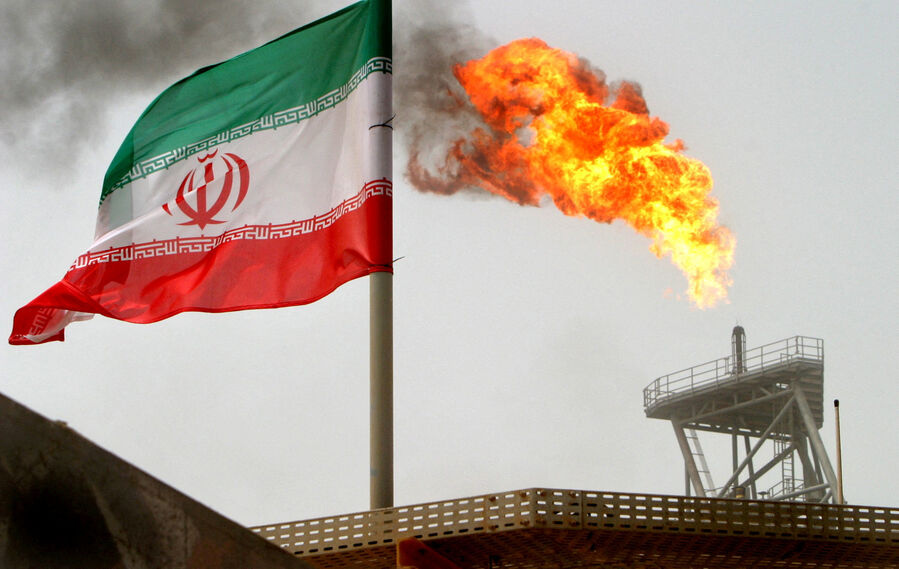
Europe's heavy reliance on oil and gas imports has left it exposed to spiralling prices since the Strait of Hormuz, a vital global oil and gas shipping route, was closed as a result of the U.S.-Israeli attacks on Iran and Tehran attacking energy infrastructure in the Middle East.
The European Commission wants to let countries spend more public money to help businesses with fuel and fertiliser bills as governments race to offset the economic shock from soaring prices.
"Prices help reduce demand and bring supply and demand back into balance. Many measures under discussion weaken that signal," the head of the IMF's European Department, Alfred Kammer, told Reuters.
If governments do intervene, they should focus on the poorest households, as broad interventions tended to benefit higher‑income households, which consume more energy.
"We recommend lump‑sum transfers to vulnerable households. During the Russian energy shock, the average fiscal cost in Europe was about 2.5% of GDP. Around 70% to 80% of those measures were untargeted. If support had been targeted to the bottom 40% of households, it would have cost only about 0.9% of GDP," Kammer said.
Finally, all such cushioning measures should have a clear end date. "Some countries still have 'temporary' measures from the last crisis in place, which is clearly too long," he said.
He noted fiscal discipline was crucial because European countries were already facing enormous spending pressures on defence, ageing societies, pensions and healthcare, that the IMF estimated at 5% of GDP by 2040.
But voter pressure on politicians to step in and offset the high fuel prices was very high, Kammer said, because Europeans have come to expect state support whenever a crisis hits after the COVID pandemic in 2020 and the Russian energy shock in 2022.
Recommended Articles