


Trump’s “Tariff Chess Game” a Great Victory? U.S. Trade Deficit Shrinks 39%. What Signals Does It Bring Us?



AI Podcast


The U.S. goods and services trade deficit narrowed to $29.4 billion in October, the lowest since June 2009, driven by a sharp decline in imports, particularly pharmaceuticals. Exports rose slightly. Analysts suggest this reflects intensified tariff policies and corporate adjustments to policy expectations, with a significant drop in pharmaceutical imports suppressing the total. While this narrowing may boost Q4 GDP growth by improving net exports, some analyses attribute the fluctuation to anticipatory stockpiling and destocking due to policy uncertainty rather than fundamental demand improvements. The data’s true impact on trade fundamentals requires further verification.
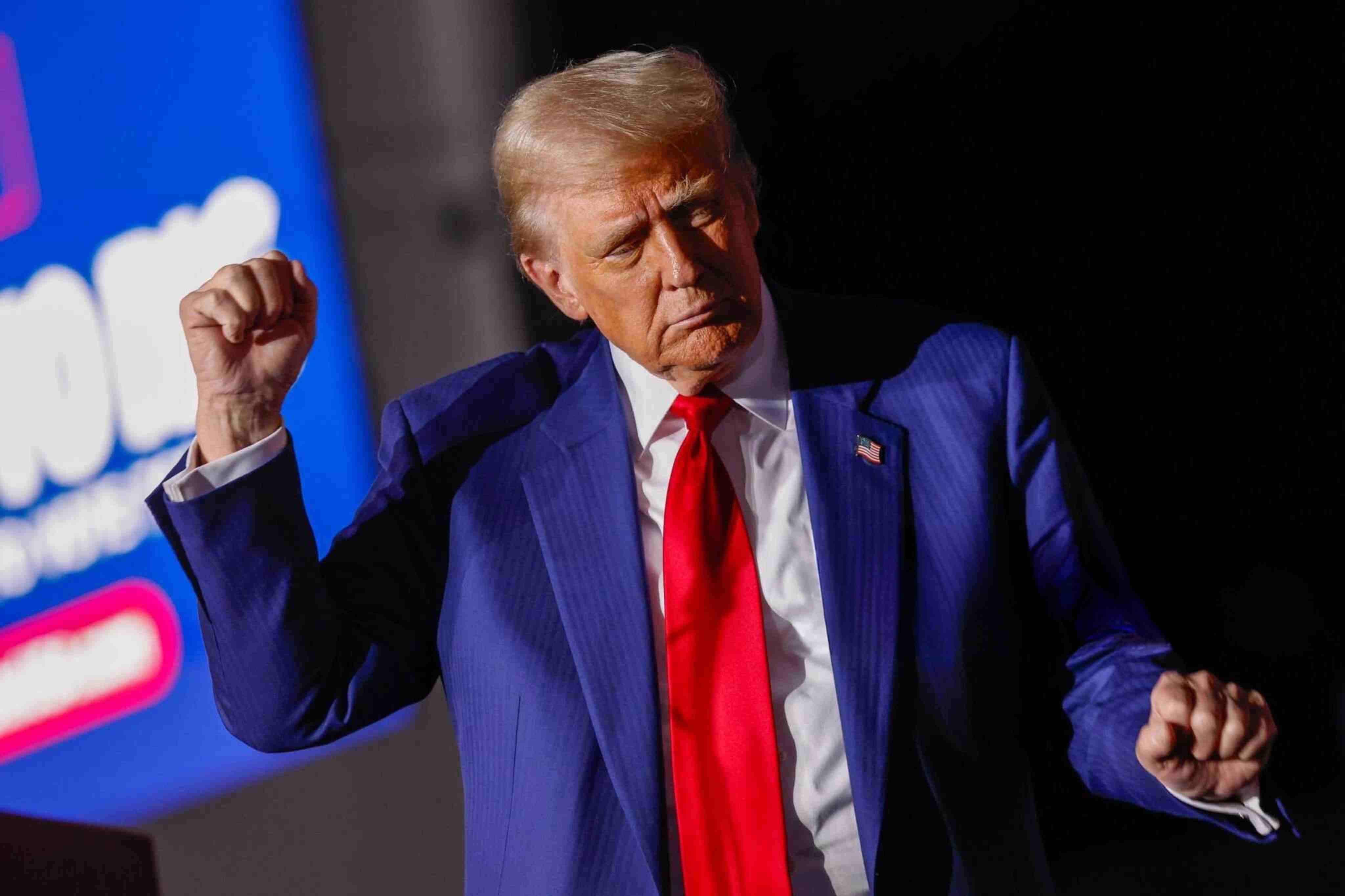
TradingKey - U.S. Department of Commerce According to data released on Thursday local time, the U.S. goods and services trade deficit in October significantly narrowed to $29.4 billion, marking the lowest monthly level since June 2009.
According to the latest data from the U.S. Department of Commerce, the sharp drop in the deficit was primarily driven by a sharp decline in imports, particularly pharmaceuticals and other consumer imports, which shrank significantly while exports rose slightly. This shift has been interpreted by some market analysts as an initial sign of the Trump administration's intensified tariff policies taking effect.
Exports grew by 2.6% year-on-year, while imports fell by 3.2%, with pharmaceutical imports dropping to their lowest level in years. This rapid shift in trade patterns reflects both the impact of trade policy and corporations and global supply chains quickly adjusting to policy expectations.
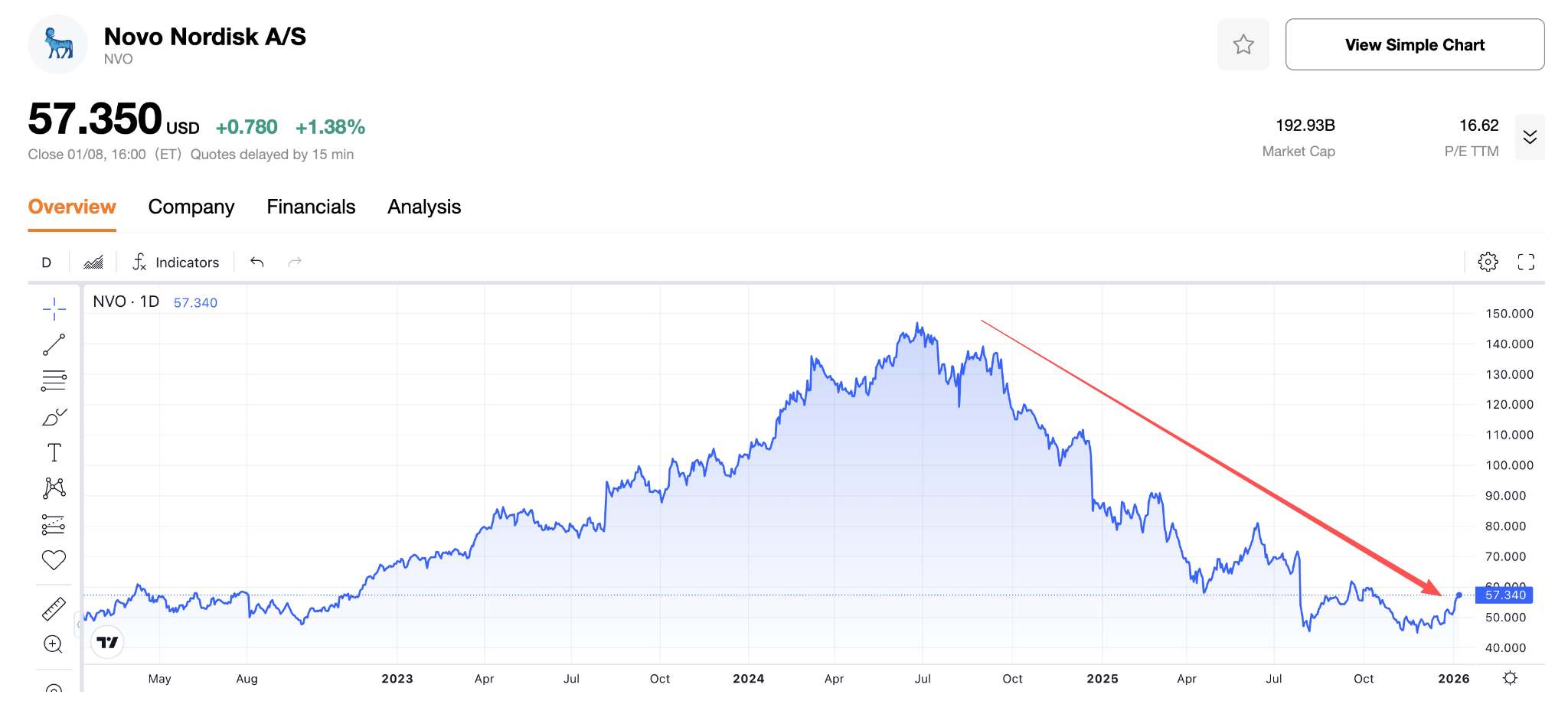
[Some pharmaceutical companies (Novo Nordisk NVO) have seen their stock prices continue to fall due to the impact of tariffs; Source: TradingKey]
The sharp plunge in imports is the core factor behind the current plunge in the trade deficit.
Higher tariffs imposed by the U.S. on goods from multiple countries, especially the threat of universal taxes on imported pharmaceuticals, led relevant companies to stockpile in advance or adjust their procurement strategies, resulting in a significant drop in import data during the month the policy was actually implemented.
Additionally, growth in exports of items such as non-monetary gold also made a marginal contribution to the trade total. Notably, the decline in imports of high-value goods like pharmaceuticals directly suppressed the import total; this structural change demonstrates the tariff policy's substantial impact on trade flows, and also for that month's narrowing of the deficit provided the primary momentum.
The trade data report was delayed due to the government shutdown, which to some extent amplified market volatility upon its release.
As the deficit plunged, market assessments of trade policy diverged. Market analysis suggests that this narrowing will support fourth-quarter GDP growth, as the contribution of net exports to economic growth may turn from negative to positive, helping to offset the drag from the government shutdown.
However, some analyses point out that such data fluctuations may reflect policy expectations and seasonal adjustments more than genuine improvements in demand, especially when the rapid decline in imports reflects a slowdown in domestic consumption and capital investment rather than a result of supply chain recovery or improved export competitiveness.
This decline in U.S. imports and the significant narrowing of the trade deficit is not entirely an "immediate" result of the tariffs themselves, but to a larger extent a consequence of companies preemptively responding to policy uncertainty. Under the influence of multiple expectations for tax hikes, many companies completed purchases originally intended for future months to avoid rising costs, leading to a significant "front-loading" of imports in previous periods.
When some tariff policies did not materialize as scheduled, the effect of this advance procurement faded quickly, and companies entered a destocking phase. Consequently, imports fell significantly during the month, which amplified the narrowing of the trade deficit in the data. In other words, this resembles more of a shift in timing, rather than a substantial improvement in trade fundamentals.
Overall, while the sharp drop in the trade deficit in October 2025 is closely related to the Trump administration's tariff policies, it is the result of the combined effects of trade policy expectations, adjustments in corporate behavior, and structural changes in imports and exports. Whether it will lead to a sustained improvement in the deficit still requires time for verification.
This content was translated using AI and reviewed for clarity. It is for informational purposes only.
Recommended Articles










Comments (0)
Click the $ button, enter the symbol, and select to link a stock, ETF, or other ticker.