


BOJ Rate Hike Probability Surges to 77% as Yen Weakens: What Is the Market Worried About?



AI Podcast


The Bank of Japan's April meeting minutes signaled a potential rate hike, with market probability for a June increase reaching 77%. Despite this hawkish tone, the yen weakened against the dollar due to persistent US-Japan yield differentials, waning intervention effectiveness, and geopolitical concerns influencing oil prices and safe-haven demand. While US-Japan talks suggest monetary policy is the preferred intervention tool, a significant interest rate gap and the yen's vulnerability to oil prices and GDP data remain key market determinants.
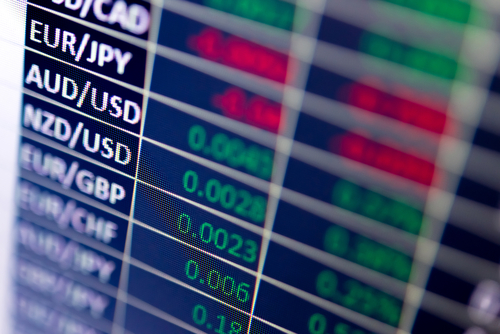
TradingKey - On May 12, the Summary of Opinions from the Bank of Japan's April meeting, released on Monday, sent a clear tightening signal. However, the foreign exchange market provided the opposite answer; as expectations for a rate hike intensified, the yen paradoxically trended lower.
At the April 27-28 meeting, the Bank of Japan maintained interest rates at 0.75% in a 6-3 vote, with three members dissenting and calling for a rate hike to 1.0%.
But the true impact of the summary lay in its phrasing; one member wrote: "Even if the trajectory of the conflict in the Middle East remains uncertain, there is a strong possibility that the Bank will begin raising rates as early as the next meeting." This marks the first time during this cycle that a member has explicitly pointed to a specific timeline in the official summary.
Another member demanded that the central bank must "accelerate the pace of rate hikes without hesitation" should upside risks to prices intensify.
Why Does the Yen Continue to Weaken Despite Rate Hike Expectations?
Following the release of the minutes on that day, the 10-year JGB yield rose to 2.54%, reaching a new high since June 1997. The overnight index swap market's priced-in probability of a June rate hike surged to 77% from about 35% a week earlier.
However, the yen continued to weaken, extending the previous day's decline as USD/JPY rose to around 157.5. The currency market failed to follow suit because it weighs multiple variables simultaneously rather than focusing on a single central bank's actions. Specifically:
First, the fundamental structure of the Japan-U.S. yield spread remains unchanged. Even if the Bank of Japan raises interest rates by 25 basis points to 1.0%, a massive gap with Federal Reserve rates would still exist. On the day the minutes were released, the 10-year U.S. Treasury yield stayed near 4.41%, the spread did not narrow significantly, and the basis for carry trades remained solid.
Second, the effectiveness of intervention is waning, and the market has already priced this in. Japanese authorities used a total of approximately $63.7 billion from late April to early May to support the yen, briefly pushing USD/JPY down from above 158 to near 141. However, the impact has diminished, and the yen is once again approaching the 158 level. After Scott Bessent publicly criticized direct intervention, the market judged that the room for further large-scale market entry by Japanese authorities had narrowed.
Third, constraints from oil prices and geopolitical conflicts remain. Trump's latest remarks regarding a U.S.-Iran ceasefire agreement weakened expectations for a de-escalation, and the rebound in oil prices drove safe-haven demand for the dollar. According to preliminary April data from Japan's Ministry of Economy, Trade and Industry, Japan's dependence on Middle Eastern crude oil is as high as 95.2%. Rising oil prices increase inflationary pressure, providing a rationale for rate hikes, but they also drag on the economic outlook, making the policy dilemma more acute.
US-Japan Talks Signal Coordination, yet Intervention Tools Are Shrinking
On the same day, Prime Minister Sanae Takaichi held talks with U.S. Treasury Secretary Scott Bessent. Finance Minister Satsuki Katayama confirmed after the meeting that Japan and the U.S. have been communicating and coordinating "extremely smoothly" in addressing excessive volatility in the foreign exchange market.
Bessent has previously expressed a preference on multiple occasions for the Bank of Japan to support the yen through monetary policy tightening. This external pressure indeed resonates with the central bank's hawkish trajectory.
On the other hand, Bessent's reservations regarding direct intervention have tied the hands of Japanese authorities. The yen's lack of support from intervention expectations following the release of the minutes is a clear manifestation of this constraint.
77% Probability of Rate Hike; Focus on Oil Prices and GDP Data
The Bank of Japan is scheduled to hold its next policy meeting on June 18-19. A 77% probability of a rate hike indicates that the market has already priced it in as a high-probability event. The yen's decline following the release of the minutes suggests that while the market is pricing in a hike, it has yet to factor in the path forward beyond that move.
Oil prices will be the most critical indicator to track over the next five weeks. If WTI crude remains consistently above $100, import price pressures will directly bolster the case for a rate hike; however, should signs of an economic slowdown emerge concurrently, the central bank will be forced to weigh the trade-off between inflation and growth. Japan's first-quarter GDP data, to be released before the June meeting, will be a key variable in assessing this balance.
The minutes have placed a June rate hike on the table, but the tepid response in currency markets reminds investors that a triple barrier—the U.S.-Japan interest rate differential, intervention constraints, and geopolitical factors—still stands between the signal and the exchange rate.
This content was translated using AI and reviewed for clarity. It is for informational purposes only.
Recommended Articles








Comments (0)
Click the $ button, enter the symbol, and select to link a stock, ETF, or other ticker.