


Amid Middle East Tensions, BOJ Adopts Cautious Rate Hikes and May Stay on Hold in March



The Bank of Japan is likely to maintain current interest rates at its March meeting, deferring rate hikes to April due to Middle East geopolitical uncertainty and its impact on energy prices. Officials prioritize stable economic recovery and avoid rapid tightening. While a gradual exit from ultra-loose policy remains the overall direction, the duration of Middle East conflict and its effect on oil prices are key considerations. Yen weakness around 160 also adds to inflationary pressures, influencing the pace of normalization, which is expected to remain gradual compared to global peers.

TradingKey - According to Bloomberg, against the backdrop of rising geopolitical uncertainty in the Middle East, the Bank of Japan is leaning toward maintaining interest rates at its March policy meeting, while not ruling out the possibility of a rate hike in April. Officials are closely monitoring the potential impact of the escalating situation in the Middle East on energy prices, global financial markets, and Japan's economic outlook.
Sources said there is a general consensus within the Bank of Japan that the probability of an immediate rate hike at the policy meeting ending March 19 is relatively low. Recent conflicts in the Middle East have intensified volatility in oil and commodity prices and heightened risk sentiment in global financial markets, making policymakers more inclined to maintain a cautious stance to avoid tightening financial conditions too quickly during a period of rising uncertainty.
However, the Bank of Japan has not changed its overall policy direction. Several officials still believe that the path for Japan to gradually exit its ultra-loose monetary policy remains intact if economic and inflation data continue to evolve as expected. Under this framework, the April policy meeting is still viewed as a key window for potential action.
A core consideration within the Bank of Japan is the duration and scope of the Middle East conflict's impact on global energy markets. Japan is highly dependent on energy imports; if crude oil prices remain elevated for a prolonged period, it could drive up domestic inflation and exert a dual impact on corporate costs and household consumption. Consequently, the duration of the conflict is seen as a vital variable in assessing the risks to Japan's economic outlook and interest rate path.
Some officials believe that if the rise in energy prices is merely a short-term shock, the Japanese economy will still be able to maintain a moderate recovery and support a virtuous cycle between wages and consumption.
In this scenario, the conditions for the Bank of Japan to proceed with policy normalization would not be fundamentally altered. However, if the geopolitical conflict evolves into a more prolonged disruption of energy supplies, it could force policymakers to re-evaluate the outlook for economic growth and inflation.
The market currently generally expects the Bank of Japan to gradually move forward with policy normalization in the coming months. Previously, the Bank of Japan ended its negative interest rate policy and began cautious discussions regarding the timing of further interest rate adjustments.
Compared to other major central banks, the Bank of Japan's policy path will maintain its gradual characteristics. Officials generally believe that, amidst increased volatility in global financial markets, overly aggressive policy adjustments could deal an unnecessary blow to Japan's economic recovery; therefore, the policy pace needs to strike a balance between stabilizing the market and advancing normalization.
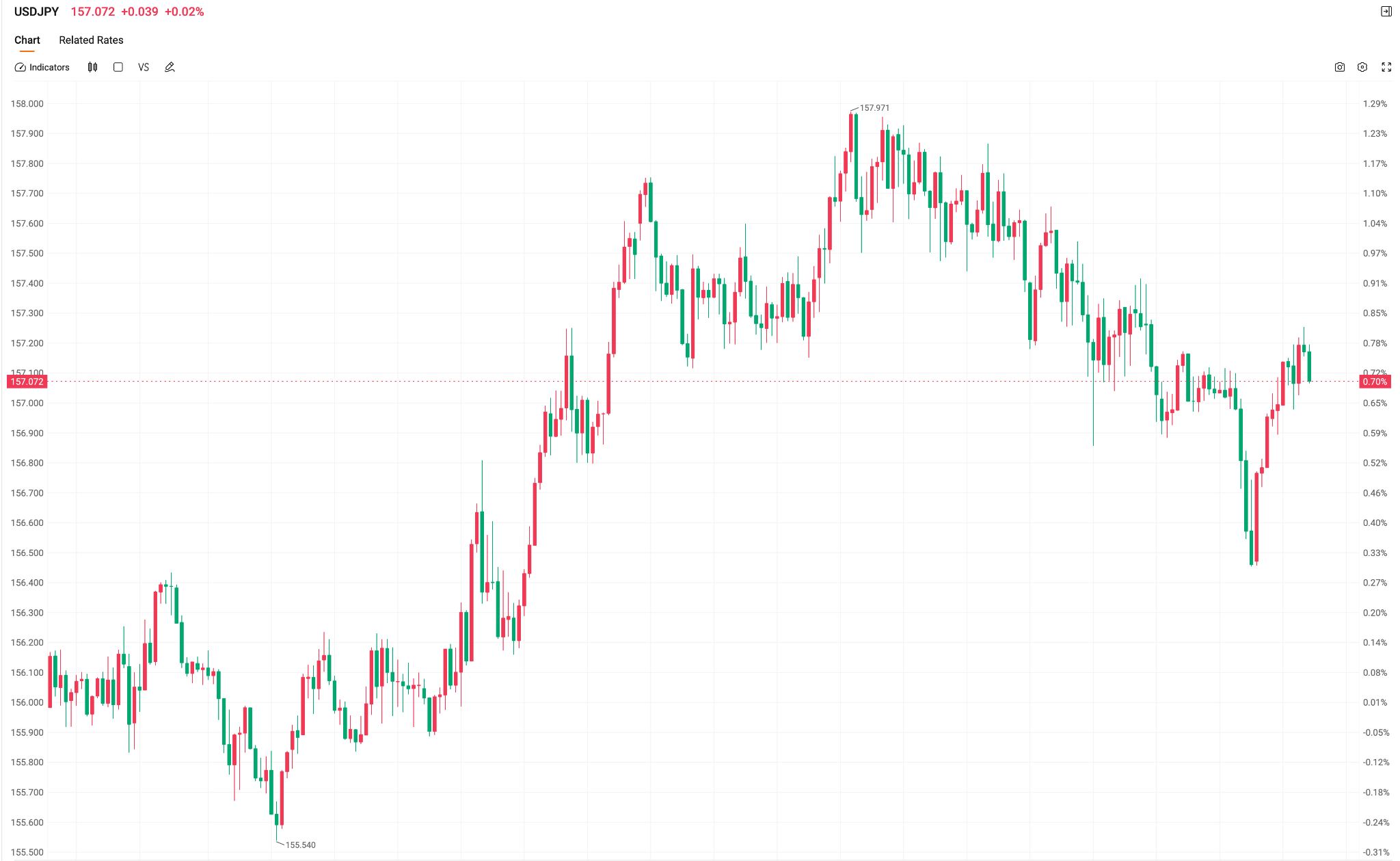
Furthermore, the yen's exchange rate remains near 160, a level many analysts expect will trigger government intervention. A weak yen pushes up import costs, exacerbates inflationary pressures, and has played a key role in Japan's rising inflation.
As the situation in the Middle East, global energy prices, and Japan's domestic economic data become clearer, the Bank of Japan's policy path in the coming months will remain a focus of market attention.
This content was translated using AI and reviewed for clarity. It is for informational purposes only.
Recommended Articles










Comments (0)
Click the $ button, enter the symbol, and select to link a stock, ETF, or other ticker.