


New Fed Chair Warsh About to Appear, Stephen Milan Softens Dovish Remarks: How Does the Fed Policy Balance Tilt?



AI Podcast


Kevin Warsh's nomination for Federal Reserve Chair signals a shift towards "cautious rate cuts," moving away from aggressive easing. Warsh's emphasis on policy credibility suggests a "confirm first, act later" approach, potentially leading to higher-for-longer interest rates and higher term premiums in bonds. While not an extreme hawk, his framework prioritizes data confirmation over preemptive cuts. Governor Milan, previously the most dovish, has moderated his stance. The FOMC's composition suggests a "middle-ground equilibrium" sensitive to incoming data, impacting equity valuations and favoring dollar-denominated assets. Investors should monitor economic data closely for shifts in policy direction.
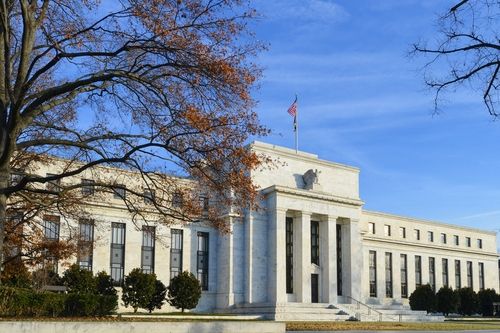
TradingKey - With U.S. President Trump nominating Kevin Warsh as the next Federal Reserve Chair, the hawkish-dovish composition within the Fed is undergoing a critical shift. If successfully confirmed by the Senate, Warsh will succeed current Chair Powell in May 2026. This has triggered a re-anchoring of the interest rate path, risk premiums, and the pricing logic for dollar-denominated assets.
Latest market pricing has already adjusted. The number of rate cuts for the year implied by Fed funds futures has significantly narrowed compared to before the nomination. Investors' core assessment is that the policy committee's center of gravity is moving toward "cautious rate cuts."
Warsh Succession Signal: Hawkish Credibility Reassessment, Higher Bar for Rate Cuts?
In past public remarks, Warsh has repeatedly emphasized the importance of managing inflation expectations and policy credibility. His policy framework is closer to a robust path of "confirm first, act later" rather than proactive, aggressive easing. This stance implies that until inflation shows a sustained downward trend, the pace of rate cuts will remain restrained.
From a pricing logic perspective, the choice of Chair does not directly determine the votes, but it has a decisive impact on agenda-setting, the tone of communication, and the policy framework. Warsh's nomination reinforces the "higher for longer" market narrative, thereby raising expectations for the floor of long-term interest rates.
For global equity markets, valuation premiums may partially dissipate, while for the bond market, it means term premiums are likely to remain at relatively high levels.
It is worth noting that Warsh is not an extreme hawk. In previous statements, he acknowledged that monetary policy should be flexible when the economy slows significantly or financial conditions tighten excessively, and he has supported the rate cuts called for by Trump several times in recent years.
However, compared to the aggressive easing path previously bet on by the market, future policy avenues are more likely to be predicated on "data confirmation" rather than "preemptive rate cuts."
Milan remains the most dovish, but the tone is becoming more restrained.
Current Board Governor Stephen Milan—who has long been regarded as the most dovish figure within the committee—has repeatedly supported initiating rate-cut cycles early when downside risks to the economy emerge.
However, his recent statements have shown marginal changes. Against a backdrop of resilient employment and growth data, Milan acknowledged that the path of disinflation still requires more confirmation, but he maintains the most dovish stance of a 100-basis-point rate cut within the year.
This shift is not a reversal of position; Milan remains the member most sensitive to downside economic risks on the committee, but his inclination toward "immediate easing" has moderated. From a capital markets perspective, this means extreme internal divisions are converging, the policy uncertainty premium may decline, and the window for rate-cut expectations has been pushed further back.
Hawkish Weighting Has Increased, but Centrists Still Hold Key Votes
The final interest rate decision depends on the overall FOMC voting landscape; besides Board members, regional Fed presidents with voting rights also play a key role. Currently, there is no obvious lopsided pattern between the Board and regional presidents. Some members emphasize that tightening financial conditions have had a material impact, while others believe that inflationary stickiness has not yet fully dissipated.
This structure means the future policy path will increasingly reflect a "middle-ground equilibrium." If inflation continues to decline, the doves will gain more influence; if inflation rebounds, the hawkish stance will quickly intensify. For the market, this balance makes global assets and the Fed's internal dynamics more sensitive to data.
Markets are reassessing the terminal rate and the pace of easing. If high interest rates persist for a longer duration, the discounting pressure on growth stock valuations will continue, while banks and dollar-denominated assets will relatively benefit.
Investors should focus on economic data over the coming months. If economic data weakens in the months ahead, internal dovish voices may gain the upper hand, at which point various asset classes will undergo a new round of reshuffling.
This content was translated using AI and reviewed for clarity. It is for informational purposes only.
Recommended Articles






Comments (0)
Click the $ button, enter the symbol, and select to link a stock, ETF, or other ticker.