4 Unexpected Ways Retirees Could Lose Social Security Benefits in 2026

Key Points
Getting incarcerated can put a halt to your Social Security benefits.
If you’re under 62, you may lose Social Security spousal benefits if you divorce.
Failure to provide documents requested by the Social Security Administration could result in a loss of benefits.
You spend years planning for retirement, counting on Social Security benefits to help you cover the bills. Once you begin to receive benefits, it's easy to believe they'll arrive in your bank account like clockwork until you die.
However, that's not necessarily the truth. Here are four things you can do that will cause you to lose benefits, even if the loss is temporary or partial.
Will AI create the world's first trillionaire? Our team just released a report on the one little-known company, called an "Indispensable Monopoly" providing the critical technology Nvidia and Intel both need. Continue »
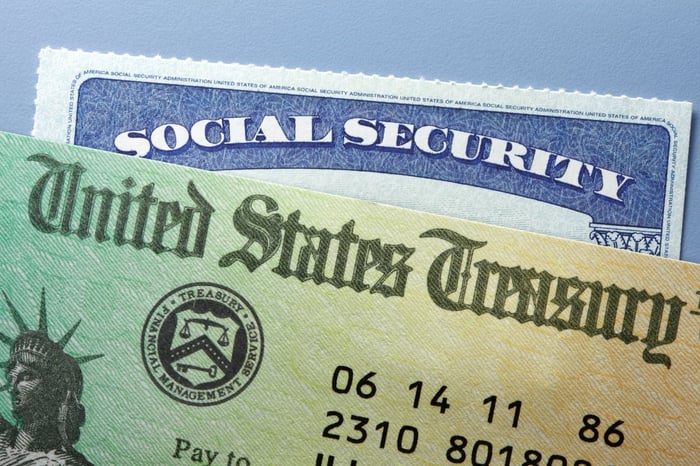
Image source: Getty Images.
1. You're incarcerated
If you receive Social Security benefits, are convicted of a criminal offense, and are sentenced to jail or prison for more than 30 continuous days, you'll lose your benefits. However, benefits for your spouse or children will continue, as long as they remain eligible. If you contact the Social Security Administration (SSA) as soon as you're released and can provide original or certified documents showing your release date, your benefits should start again right away.
The same is true if you receive Supplemental Security Income (SSI) and are incarcerated for 30 continuous days or more. If you receive SSI and your sentence lasts for 12 consecutive months or longer, the SSA will end your eligibility, and you'll have to file a new application when you're released.
2. You don't respond to the SSA
On occasion, the SSA may request documentation to confirm your eligibility. If you fail to provide the documentation, the SSA can delay or temporarily halt your benefits until it has the information it needs.
3. You commit fraud
If the SSA learns that you've provided false information or concealed information to obtain Social Security benefits, it generally leads to termination of benefits.
4. You get divorced
To be clear, divorce doesn't impact your Social Security benefits if you claim benefits based on your own work record. However, if you were previously married and claimed Social Security spousal benefits that were based on your ex-spouse's work record, those benefits could end when you're divorced. Here's what you should know:
- Under the age of 62: If you haven't reached age 62 but are receiving spousal benefits due to caring for a child under 16 or disabled, getting divorced means losing spousal benefits. If the marriage lasted at least 10 years, you're currently unmarried, and your ex-spouse is at least age 62, you will typically be eligible for divorced spouse benefits when you reach 62.
- 62 or older: If you were married to your ex for at least 10 years, are currently unmarried, and your ex is eligible for retirement or disability benefits, you remain eligible for spousal benefits.
Social Security is an important factor in the overall financial plans of most retirees. It's important to know what to expect.
The $23,760 Social Security bonus most retirees completely overlook
If you're like most Americans, you're a few years (or more) behind on your retirement savings. But a handful of little-known "Social Security secrets" could help ensure a boost in your retirement income.
One easy trick could pay you as much as $23,760 more... each year! Once you learn how to maximize your Social Security benefits, we think you could retire confidently with the peace of mind we're all after. Join Stock Advisor to learn more about these strategies.
The Motley Fool has a disclosure policy.