Here's How Much the Average 50-Year-Old Should Have Saved for Retirement

Key Points
One popular retirement rule of thumb says you should have saved six times your salary by age 50.
The typical 50-year-old saver isn't meeting this standard.
There's still time to boost your savings before retirement.
By the time you're approaching 50, retirement is no longer a distant speck on the horizon. You're now in the home stretch of your career. That can feel good if you're confident you're on track for your retirement goals. But if you know you're behind or you're not sure where you stand, it can be cause for concern.
While everyone's retirement goal looks a little different, having a benchmark to compare yourself against can give you a rough idea of how you're doing. Here's a closer look at how much the average 50-year-old should ideally have saved for retirement.
Where to invest $1,000 right now? Our analyst team just revealed what they believe are the 10 best stocks to buy right now, when you join Stock Advisor. See the stocks »

Image source: Getty Images.
How much should you have saved for retirement by 50?
Your retirement savings target depends on several factors, including your desired lifestyle in retirement, how long you expect retirement to last, and what you expect your health will be like. But if you want a rough ballpark of where you should be at, you could follow the retirement rule of thumb that says you should have six times your salary saved by age 50.
The average American worker earned $1,204 per week in 2025, according to the Bureau of Labor Statistics. That adds up to $62,608 per year. If we multiply this amount by six, we reach a savings target of $375,648.
While it's a large sum of money, it might seem surprisingly low, given that retirement can often cost $1 million or more. But investment earnings play a big role here. Your investments should ideally continue to grow each year, and this can cause your nest egg to increase quickly as you near retirement.
How are actual 50-year-old savers doing in comparison?
Actual 50-year-old savers often fall well short of this savings target. According to 2022 Federal Reserve data, the typical saver aged 45 to 54 has a median account balance of just $115,000.
While that's short of where many would like it to be, there is still time to course-correct. Avoid making early retirement account withdrawals whenever possible, and continue making regular contributions.
If you have the cash to spare, you're also eligible to make catch-up contributions once you're 50. This lets you save an extra $1,100 in your IRA and another $8,000 to $11,250 in your 401(k) in 2026.
Keep an eye on how you're doing as you near your planned retirement date. If you're really concerned about coming up short, it might be worth delaying retirement for a little while. Not only will it give you more time to save, but it will also reduce the length and cost of your retirement, making it easier to achieve your goal.
The $23,760 Social Security bonus most retirees completely overlook
If you're like most Americans, you're a few years (or more) behind on your retirement savings. But a handful of little-known "Social Security secrets" could help ensure a boost in your retirement income.
One easy trick could pay you as much as $23,760 more... each year! Once you learn how to maximize your Social Security benefits, we think you could retire confidently with the peace of mind we're all after. Join Stock Advisor to learn more about these strategies.
The Motley Fool has a disclosure policy.
Related Articles
New Fed Chair Warsh Takes Office: Major Shift in Monetary Policy? US Dollar Short-Term Rebound, 2026 Investment Strategy Analysis
TradingKey - At the start of 2026, global financial markets witnessed a major leadership change as U.S. President Trump officially nominated Kevin Warsh as the next Federal Reserve Chair. Pending Senate confirmation, he will succeed Jerome Powell this May to lead the world’s most influential central bank.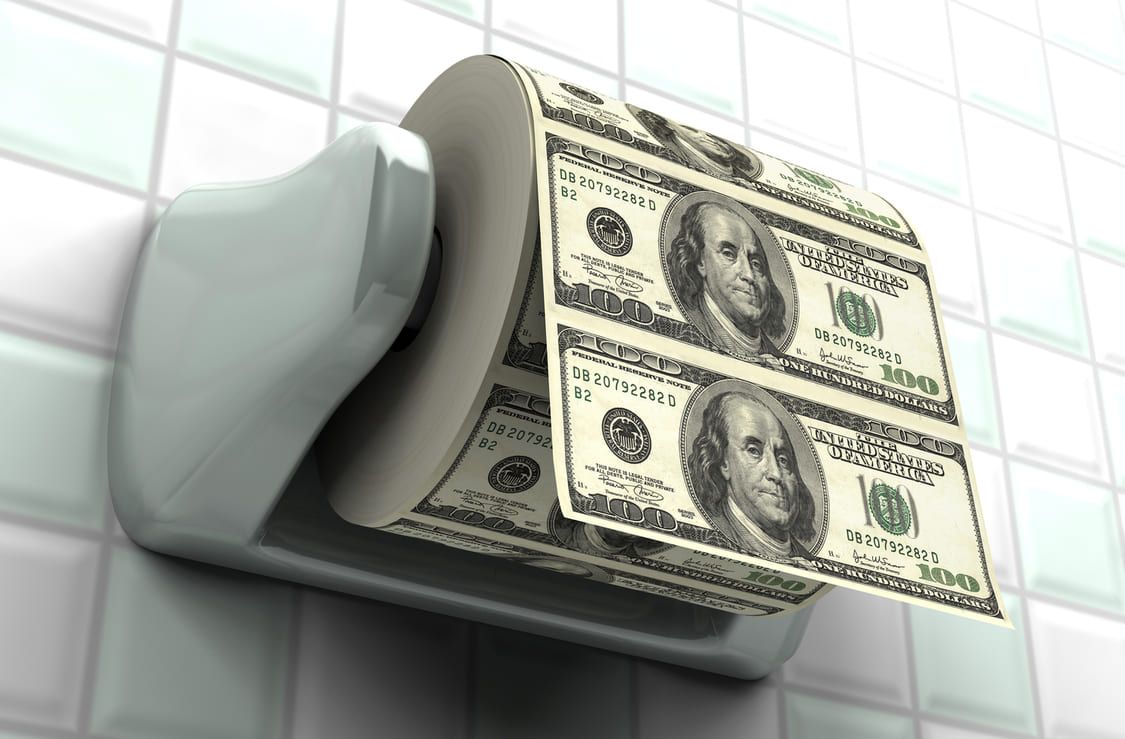
Should You Buy Berkshire Hathaway Post-Warren Buffett? What's Warren Buffett's Advice for 2026 Investment?
Berkshire built up a hoard of cash through 2025, accumulating nearly $400 billion—more than it had ever held before. That was by design. Berkshire, instead of joining the artificial intelligence rally that led the headlines, put the cash into short-term U.S. Treasuries with about 3.6% yields.
Digital Asset Rotation: Navigating Market Volatility With the Best Cheap Cryptos for 2026
Navigate the 2026 crypto rotation: Analyze the best cheap cryptos like Solana, Chainlink, and XRP amid Bitcoin’s volatility. Discover top picks for utility and long-term gains.