Don't Need Your Required Minimum Distribution (RMD) Right Away? Here Are Smart Ways to Use the Extra Cash.
Key Points
It makes little sense to carry high-interest debt.
A plumped-up emergency fund can be used for more than emergencies.
Maintaining your home, car, and other possessions is less expensive than paying for repairs.
If you've built savings by contributing to a pretax retirement account, you will generally be required to begin taking required minimum distributions (RMDs) at age 73 (or 75 if you were born in 1960 or later). Once the money is distributed, you don't have to spend it, but you cannot leave it in a tax-deferred account.
If you're in the fortunate position of not needing your RMD to pay everyday living expenses, it's time to come up with a plan for the best ways to use them. Here are five ideas worth considering.
Will AI create the world's first trillionaire? Our team just released a report on the one little-known company, called an "Indispensable Monopoly" providing the critical technology Nvidia and Intel both need. Continue »

Image source: Getty Images.
1. Pay off debt
High-interest loans and credit card debt is a money suck. With the average credit card interest rate at 23.77%, it makes little sense to continue throwing money at it. If you're carrying any debt with an interest rate exceeding the amount you could earn by reinvesting RMD funds, now is a good time to pay it off.
2. Reinvest
You may be required to take an RMD, but that doesn't mean you can't reinvest the funds (once you've paid taxes on them). Consider reinvesting RMDs in a taxable brokerage account to give them more time for potential growth.
You may also want to consider a mutual fund or an annuity. If you've continued to work part-time or full-time in retirement and meet the income limits, contributing the money to a Roth IRA is another option.
3. Donate to a worthy cause
If there's a cause you care deeply about, a Qualified Charitable Distribution (QCD) lets you donate your RMDs to a qualified charity. In addition to doing something with your money that you can feel good about, making a QCD reduces your taxable income for the year and can satisfy your RMD obligation.
4. Plump up that emergency fund
Even if you already have a sufficient emergency fund, consider how making it larger could come in handy. For example, having cash or cash equivalents available means you're less likely to have to pull from your retirement account when the market is depressed. It also means having more money on hand to purchase high-quality assets when prices drop.
Having more cash available gives you the freedom to help out family members when they're in a pickle, age-proof your home, or cover unexpected healthcare expenses.
5. Use it as a maintenance fund
Let's say the roof on your home is 25 years old, and though you're not having trouble with it, you know it's just a matter of time. Why not replace it while you have the money? If nothing else, it could save you from a leaky roof and damage to the interior of your home.
You can head off all kinds of problems before they become too expensive by carefully maintaining your home's structure and fixtures and staying on top of auto maintenance and repairs. It may not be as exciting as taking a long cruise or traveling through Egypt, but imagine the peace of mind maintaining your property can bring.
If you don't need your RMDs, you're in a unique position. Take your time to determine the best way to make the most of it.
The $23,760 Social Security bonus most retirees completely overlook
If you're like most Americans, you're a few years (or more) behind on your retirement savings. But a handful of little-known "Social Security secrets" could help ensure a boost in your retirement income.
One easy trick could pay you as much as $23,760 more... each year! Once you learn how to maximize your Social Security benefits, we think you could retire confidently with the peace of mind we're all after. Join Stock Advisor to learn more about these strategies.
The Motley Fool has a disclosure policy.
Related Articles
How to View Trump’s Nomination of Kevin Warsh?
TradingKey - On January 30, 2026, U.S. President Trump officially announced the nomination of former Federal Reserve Governor Kevin Warsh to succeed Jerome Powell as the next Chair of the Federal Reserve. This decision rapidly drew significant attention from markets and the public. So, why did Warsh stand out among the numerous candidates?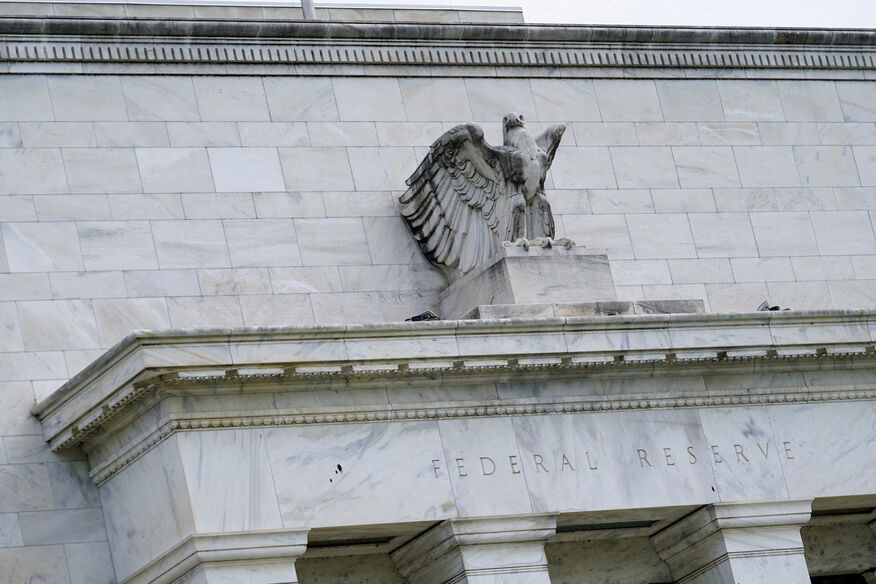
Should You Buy Berkshire Hathaway Post-Warren Buffett? What's Warren Buffett's Advice for 2026 Investment?
Berkshire built up a hoard of cash through 2025, accumulating nearly $400 billion—more than it had ever held before. That was by design. Berkshire, instead of joining the artificial intelligence rally that led the headlines, put the cash into short-term U.S. Treasuries with about 3.6% yields.
Digital Asset Rotation: Navigating Market Volatility With the Best Cheap Cryptos for 2026
Navigate the 2026 crypto rotation: Analyze the best cheap cryptos like Solana, Chainlink, and XRP amid Bitcoin’s volatility. Discover top picks for utility and long-term gains.