3 Social Security Changes You May Have Missed in 2026

Key Points
You may be aware that Social Security benefits got a 2.8% cost-of-living adjustment in 2026.
That's not the only way the program changed this year.
There are updates to be aware of that impact both workers and retirees alike.
Social Security is an important program that millions of older Americans rely on. So when changes happen, you might assume they'd be pretty well publicized.
You may have heard, for example, that Social Security benefits got a 2.8% cost-of-living adjustment in 2026. That was all over the news late last year and early this year.
Will AI create the world's first trillionaire? Our team just released a report on the one little-known company, called an "Indispensable Monopoly" providing the critical technology Nvidia and Intel both need. Continue »

Image source: Getty Images.
But there are other Social Security changes that happened this year that you may not be aware of. Here are three you should know about.
1. The earnings-test limit increased
Social Security's earnings test applies to seniors who work while receiving benefits before reaching full retirement age. Exceeding the limits of the earnings test results in benefits being withheld temporarily.
The earnings-test limit for people not reaching full retirement age this year increased to $24,480, up from $23,400 last year. For those reaching full retirement age this year, the limit is $65,160, up from $62,160 last year.
In other words, seniors who work while getting Social Security now have a bit more leeway to earn money from a job without risking having their benefits withheld. And while withheld benefits are repaid eventually, many seniors would prefer not to see their monthly checks reduced in the near term.
2. The wage cap increased
Social Security's wage cap doesn't impact retirees, but rather, those who are still working. When you earn money, your wages, up to a certain limit that can change from year to year, are taxed to fund Social Security.
Last year's Social Security wage cap was $176,100. This year, the wage cap is $184,500, which means higher earners are looking at paying Social Security tax on more of their income.
3. The value of a work credit increased
Social Security's work credits are what render people eligible for retirement benefits. You need to accrue 40 work credits in your lifetime to qualify for Social Security, and you can earn a maximum of four credits per year.
Last year, $1,810 of income earned you one work credit. This year, it takes $1,890 to earn a single work credit. This means that people who work very part-time might struggle to get their four Social Security credits.
It's important to keep tabs on Social Security's less advertised changes. You never know when one of them might have an impact on your financial situation.
You should also know that the changes above aren't unique to 2026. The earnings-test limits, wage cap, and value of work credits all tend to evolve from year to year, so it's important to keep an eye out for similar changes in the future.
The $23,760 Social Security bonus most retirees completely overlook
If you're like most Americans, you're a few years (or more) behind on your retirement savings. But a handful of little-known "Social Security secrets" could help ensure a boost in your retirement income.
One easy trick could pay you as much as $23,760 more... each year! Once you learn how to maximize your Social Security benefits, we think you could retire confidently with the peace of mind we're all after. Join Stock Advisor to learn more about these strategies.
The Motley Fool has a disclosure policy.
Related Articles
How to View Trump’s Nomination of Kevin Warsh?
TradingKey - On January 30, 2026, U.S. President Trump officially announced the nomination of former Federal Reserve Governor Kevin Warsh to succeed Jerome Powell as the next Chair of the Federal Reserve. This decision rapidly drew significant attention from markets and the public. So, why did Warsh stand out among the numerous candidates?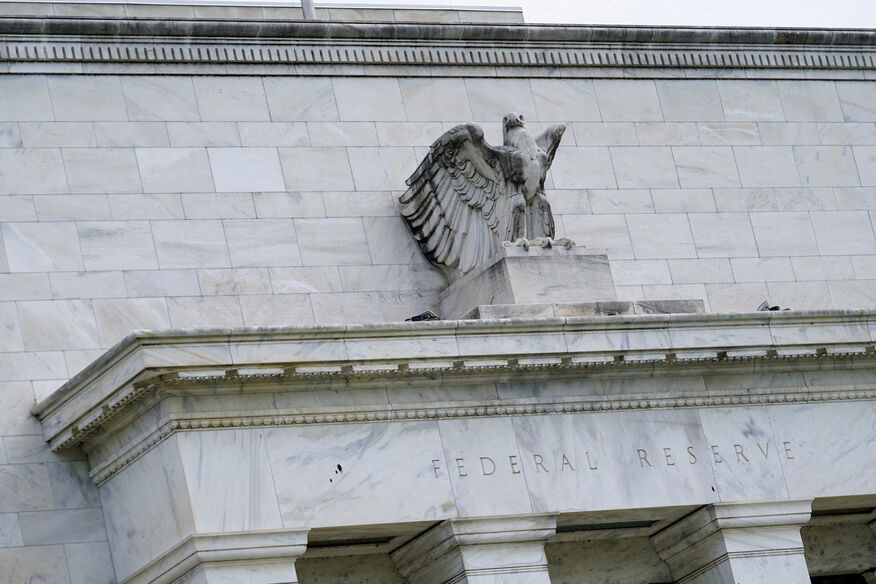
Should You Buy Berkshire Hathaway Post-Warren Buffett? What's Warren Buffett's Advice for 2026 Investment?
Berkshire built up a hoard of cash through 2025, accumulating nearly $400 billion—more than it had ever held before. That was by design. Berkshire, instead of joining the artificial intelligence rally that led the headlines, put the cash into short-term U.S. Treasuries with about 3.6% yields.
Digital Asset Rotation: Navigating Market Volatility With the Best Cheap Cryptos for 2026
Navigate the 2026 crypto rotation: Analyze the best cheap cryptos like Solana, Chainlink, and XRP amid Bitcoin’s volatility. Discover top picks for utility and long-term gains.