RPT-BREAKINGVIEWS-Japan Inc’s trade attack on Ishiba rings hollow

By Hudson Lockett
HONG KONG, July 9 (Reuters Breakingviews) - It’s a sure sign of corporate jitters when Japan Inc. starts to turn on the business-friendly Liberal Democratic Party. Takeshi Niinami, CEO of Suntory and chair of the Japan Association of Corporate Executives, did exactly that on Tuesday when he told the Financial Times that Prime Minister Shigeru Ishiba had made a “mistake” in playing hardball with U.S. President Donald Trump on tariff negotiations.
Niinami said Ishiba had squandered the legacy of the late Shinzo Abe — former prime minister and legendary Trump whisperer — by refusing to open the country’s rice market to U.S. imports and demanding Washington scrap all its new tariffs on Japan, including a 25% levy on auto imports from the likes of Toyota Motor 7203.T. That may have cost Tokyo the chance to secure 10% base tariffs, he added.
It’s true the U.S. raised Japan’s prospective tariffs one percentage point to 25% this week when it announced a delay in reciprocal levies until August 1. But South Korea faces the same level of levies, despite only starting proper trade negotiations about a month ago after a snap presidential election.
And though Japan’s maximalist position has not yet yielded results for its $4 trillion economy, it’s hard to condemn given how little Trump has granted to those who do cave. The UK, for instance, agreed to a trade pact but ultimately failed to even partially reverse U.S. reciprocal tariffs of 10%.
Niinami's call to end agricultural protections also ignores the political importance of Japan’s farmers, who have long thrown in with Ishiba’s LDP and whose support will be vital in the upper house elections on July 20. Rising rice prices — up 102% in May year-on-year, the biggest spike since records began in 1971 — are hitting household sentiment and, with government rice reserves running low, becoming a political conundrum.
Yet the import seal on the crop is already broken: in April, Japan bought South Korean rice for the first time since 1999, per Bloomberg, and some restaurants have even switched to American strains. And while consumers prefer locally grown grains, rapid purchases of even stale government rice show cost concerns now prevail.
If Ishiba wants to address domestic and foreign demands without sacrificing Japanese farmers, he can pitch a one-off imports deal with the White House. Conducting a massive one-time purchase of American rice without permanently opening up the market could lower prices and help get Trump back onside. And it will give the LDP some breathing room to remedy the agricultural policies which caused domestic shortages in the first place.
Follow Hudson Lockett on Bluesky and X.
CONTEXT NEWS
Takeshi Niinami, CEO of Suntory and chair of the Japan Association of Corporate Executives, told the Financial Times on July 8 that Prime Minister Shigeru Ishiba’s negotiations strategy in trade talks with the U.S. had been a “mistake”. The business lobby head suggested Japan’s demand that Washington scrap all new tariffs, and its refusal to open its market to American rice, may have left President Donald Trump feeling “betrayed” and cost Tokyo the chance to secure 10% base tariffs.
The U.S. on July 7 announced a delay in reciprocal levies for many Asian trading partners until August 1, raising Japan’s prospective blanket tariff by one percentage point to 25% while maintaining that same level for South Korea. Ishiba’s Liberal Democratic Party also faces intense political pressure over rising rice prices ahead of Japan’s Upper House elections, slated for July 20.
Rising rice prices push Japan's food inflation through the roof 
Related Articles
Trump’s ‘At All Costs’ Rhetoric Shorts Global Assets? Gold and Silver Not Spared
TradingKey - Amid intensifying geopolitical tensions, investors once bet on risk premiums in precious metals and safe-haven assets. On February 28, 2026, the United States and Israel launched localized air strikes against Iran. The strikes resulted in the death of Iran’s Supreme Leader and triggered multi-directional retaliatory actions across the region. Subsequently, Trump declared that strikes against Iran would be pursued "at all costs."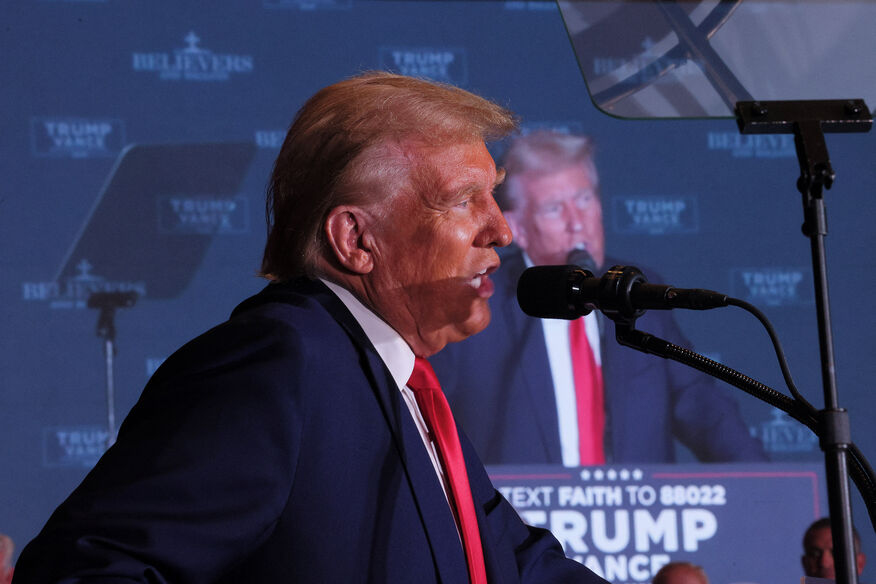
Partnering With Lumentum and Coherent, Can Nvidia’s $4 Billion CPO Bet Support the Future of AI Computing Power?
TradingKey - On Monday, March 2 local time, NVIDIA (NVDA) announced that it has entered into a deep strategic partnership with optical technology manufacturers Lumentum (LITE) and Coherent (COHR). NVIDIA will invest $2 billion in each company, totaling a massive $4 billion investment. This move advances NVIDIA's strategic layout in the field of AI data center network architecture to a new stage.
Bitcoin Stuck in Range Struggle, Can US-Iran Conflict Help a Breakout?
As the US-Iran conflict continues to escalate, Bitcoin prices remain range-bound and are losing their war premium.
JPMorgan Warns Hormuz Blockade Risks Oil Shutdown in 25 Days, But How Will the US-Iran Conflict Shape Global Oil Prices?
TradingKey - Following the announcement on the night of February 28 banning all vessels from passing through the Strait of Hormuz, JPMorgan Chase issued a warning: if the Strait of Hormuz is completely blocked, the combined onshore and offshore storage capacity of Middle Eastern oil-producing nation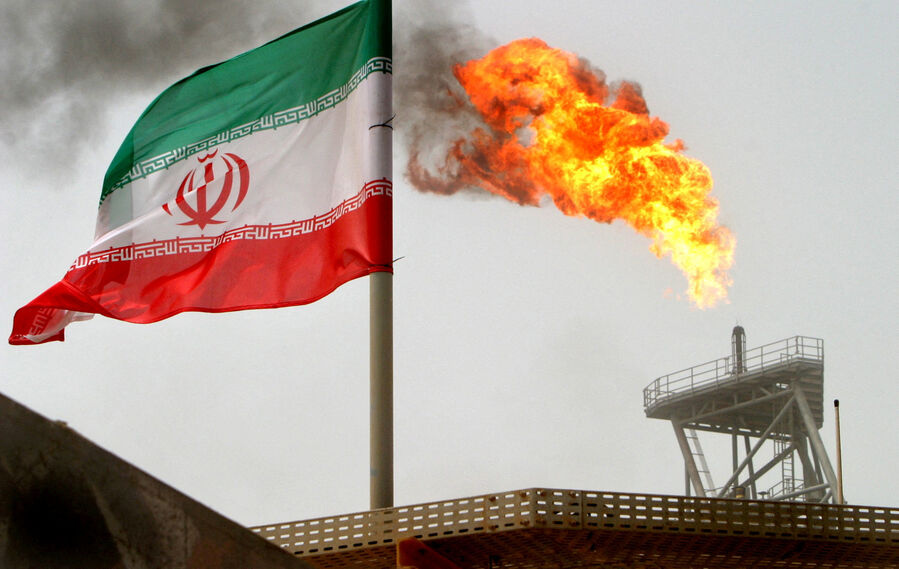
The Hyperliquid Phenomenon: HYPE Ecosystem’s Path to $250
Explore the Hyperliquid (HYPE) 2026 outlook as it evolves from a high-speed DEX into a powerful Layer 1 ecosystem. This analysis breaks down the $2.95 trillion trading volume, the impact of the HIP-4 prediction market launch, and the HYPE token's technical resilience at the $31.77 level amidst globa