BREAKINGVIEWS-Thames agony blots UK government’s growth pitch

By Neil Unmack
LONDON, June 3 (Reuters Breakingviews) - Thames Water's drawn out rescue is a blot on the UK government’s growth pitch. On Tuesday, KKR KKR.N dropped a bid to save the sickly water group. That leaves a recapitalisation led by holders of 20 billion pounds of debt like Elliott Investment Management, or an unprecedented state rescue.
A KKR rescue of Thames would have been a show of confidence in the regulation of the UK water sector, and a boost to Chancellor Rachel Reeves' hopes of attracting foreign investment. Yet it was always a long shot. The UK utility has a vast debt pile, a legacy from its ownership by Australia's Macquarie Bank, and chronically low profitability, due to its creaky Victorian-era infrastructure and endless fines by regulator Ofwat for leaks and other failures.
For KKR to make the deal work, it would have needed to stump up as much as 4 billion pounds to fund investment, and persuade creditors to take a haircut. It would also need to have confidence that the regulator would not keep clobbering Thames with penalties. A 123 million pound fine issued last week, the sector’s largest ever, hardly suggested a smooth road ahead.
Still, Thames has options. It could seek money from other investors, although the length of time and cost of the first attempt to raise equity, which required a complex debt restructuring, makes that less likely. Its current plan is therefore to seek a deal with senior creditors, including Elliott and Silver Point Capital, who have a plan to put in new management, raise equity, and accept a writedown, according to one person familiar with the discussions. The question is whether that proposal will bring in enough new funds and leave Thames with a clean enough balance sheet.
If Thames can’t raise money soon, it will have to be placed into a government led special administration. That might be best for Thames, as it would allow a rapid debt haircut and enable other options, like breaking the company up. Yet it could also push up funding costs for other water companies, whose creditors would fret that a once unthinkable outcome is now more likely. UK Prime Minister Keir Starmer may also resist an option that could require government funds, given his current budget challenges, and the need to crank up defence spending.
Whatever the eventual outcome, the painful process highlights the murky outlook for the UK privatised water sector, where unpredictable regulation and a toxic political backdrop makes for a poor investment case. On Tuesday a commission led by former Bank of England deputy governor Jon Cunliffe acknowledged that a new regulatory regime is needed to foster investment and protect customers. Yet that would still be faced with hard-to-reconcile competing interests: customers and politicians who are sick of leaks and rising bills, and private investors craving stable returns. Thames' ordeal suggests the UK's water sector will continue to be vulnerable to expensive leaks.
Follow @Unmack1 on X
CONTEXT NEWS
KKR, the preferred bidder for UK utility Thames Water, has pulled out of a rescue deal, according to a statement from the UK water utility on June 3.
The UK firm said it would continue discussions with its senior creditors, which include Elliott Investment Management and Silver Point Capital, on a separate recapitalisation plan.
If these talks fail the company could be forced into a government-led special administration regime, or SAR.
Thames debt is pricing in a haircut 
Related Articles
National Debt Bomb Ignited? Musk Warns U.S. Will Be 1000% Bankrupt Without AI
TradingKey - Tesla (TSLA) CEO Elon Musk recently issued another warning regarding the rapidly ballooning U.S. national debt. He stated clearly that without artificial intelligence and robotics, the United States will inevitably head toward fiscal bankruptcy.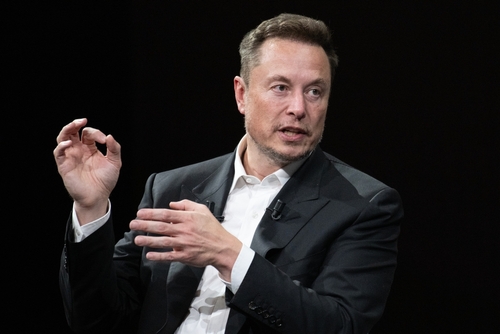
Why Sanae Takaichi Winning Japan’s Diet Election Led to a Surge in Japanese Stock Indices?
TradingKey - Reports indicate that the ruling coalition led by Japanese Prime Minister Sanae Takaichi has secured a single-party majority in the parliamentary elections held on Sunday (February 8). Following the news, the yen weakened slightly, while the Nikkei Index surpassed 57,000 for the first t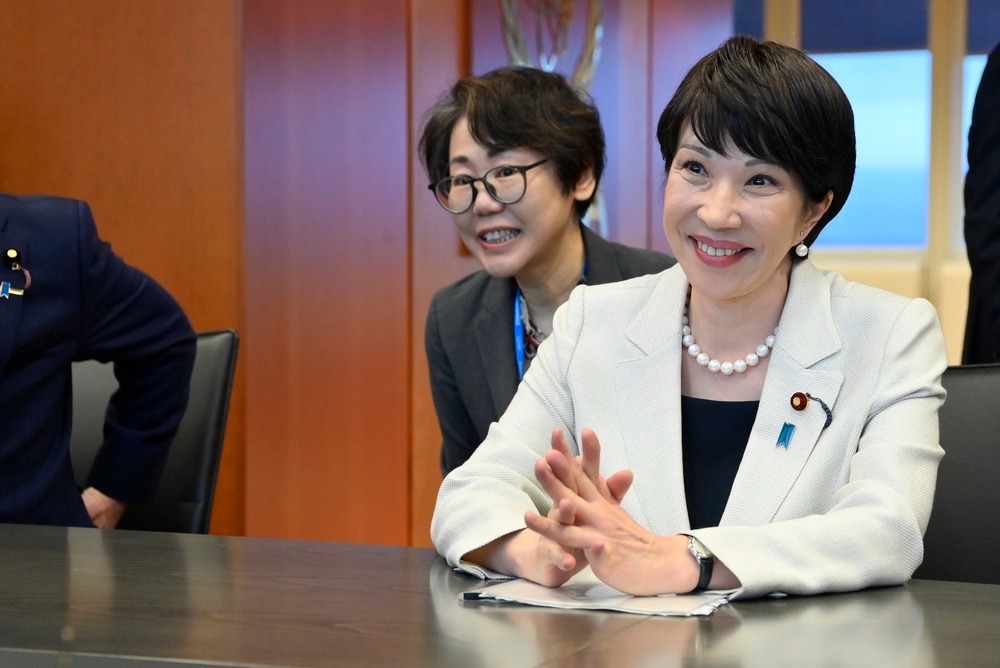
A Crash After a Surge: Why Silver Lost 40% in a Week?
TradingKey - Spot silver (XAGUSD) prices continue to decline. Silver plunged 20% on Thursday, breaking below $71 per ounce, with the sell-off intensifying on Friday as prices fell further below $64. Compared to the all-time high set on January 29, silver prices have retraced more than 40%, wiping out nearly all gains accumulated over the previous month.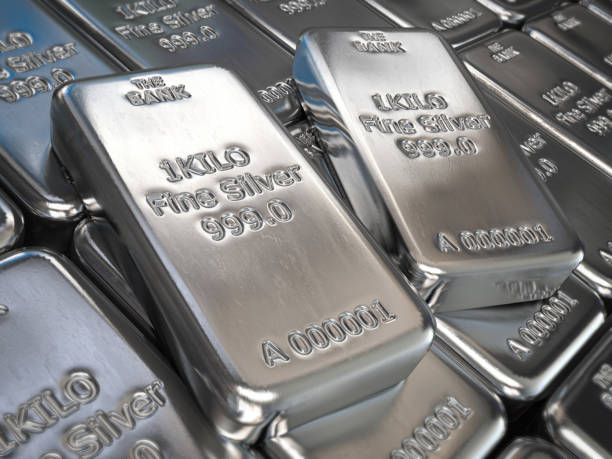
Is Bitcoin’s Four-Year Cycle Dead in 2026?
Is the Bitcoin 4-year cycle dead? After 2025 broke historical records with a red post-halving year, institutional analysts explore if the Bitcoin price has decoupled from the halving countdown. Analyze the impact of spot ETFs, global liquidity, and the roadmap to the 2028 halving in this 2026 market