South Korean shares post biggest fall in a month as automakers slump on US tariffs

SEOUL, March 27 (Reuters) - Round-up of South Korean financial markets:
South Korean shares fell more than 1% on Thursday, as automakers slumped on U.S. President Donald Trump's fresh tariffs on automobile imports.
The benchmark KOSPI .KS11 ended down 36.79 points, or 1.39%, at 2,607.15, marking its biggest daily fall since February 28 and the lowest closing level since March 14.
Trump said on Wednesday a 25% import tax on automobiles not built in the U.S. would be imposed from April 3.
"The announcement was earlier and stronger than expected," said Lee Kyoung-min, an analyst at Daishin Securities.
South Korea's auto sector is expected to face "considerable difficulties", the country's industry minister Ahn Duk-geun said, as he vowed to prepare an emergency response by April.
Hyundai Motor 005380.KS shed 4.28%, its biggest drop since October 24, 2024, and sister automaker Kia Corp 000270.KS lost 3.45%.
Most other index heavyweights also fell, including battery makers, steel manufacturers, e-commerce firms and biopharmaceutical stocks, but chipmaker Samsung Electronics 005930.KS rose.
Of the total 941 traded issues, 282 shares advanced, while 611 declined.
Foreigners were net buyers of shares worth 87.8 billion won ($59.92 million).
The won was quoted at 1,465.3 per dollar on the onshore settlement platform KRW=KFTC, 0.14% higher than its previous close at 1,467.3.
In money and debt markets, June futures on three-year Treasury bonds KTBc1 rose 0.01 point to 106.75.
The most liquid three-year Korean treasury bond yield KR3YT=RR rose 0.6 basis point to 2.623%, while the benchmark 10-year yield KR10YT=RR fell 1.0 bp to 2.840%.
($1 = 1,465.3700 won)
Related Articles
Tesla Stock Outlook: Competing With Rivian, Robotaxi Potential, and 2026 Prospects
There is much conversation about the prospect of investing in Tesla (TSLA) as we move closer to 2026. The volatility of its share price in 2025 is leading many investors to consider if they should purchase shares of Tesla given the alternatives available in terms of electric vehicles (Rivian, etc.).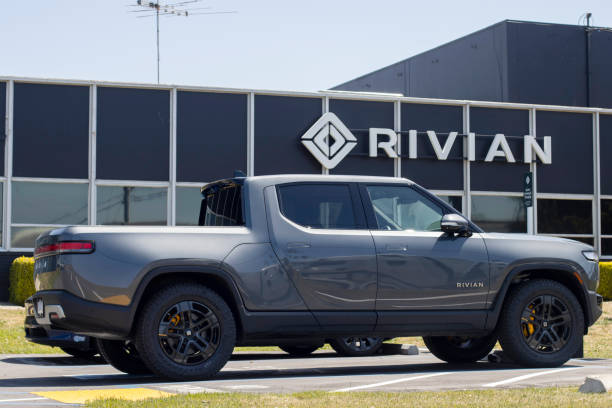
Why Sanae Takaichi Winning Japan’s Diet Election Led to a Surge in Japanese Stock Indices?
TradingKey - Reports indicate that the ruling coalition led by Japanese Prime Minister Sanae Takaichi has secured a single-party majority in the parliamentary elections held on Sunday (February 8). Following the news, the yen weakened slightly, while the Nikkei Index surpassed 57,000 for the first t
A Crash After a Surge: Why Silver Lost 40% in a Week?
TradingKey - Spot silver (XAGUSD) prices continue to decline. Silver plunged 20% on Thursday, breaking below $71 per ounce, with the sell-off intensifying on Friday as prices fell further below $64. Compared to the all-time high set on January 29, silver prices have retraced more than 40%, wiping out nearly all gains accumulated over the previous month.
Is Bitcoin’s Four-Year Cycle Dead in 2026?
Is the Bitcoin 4-year cycle dead? After 2025 broke historical records with a red post-halving year, institutional analysts explore if the Bitcoin price has decoupled from the halving countdown. Analyze the impact of spot ETFs, global liquidity, and the roadmap to the 2028 halving in this 2026 market