RPT-BREAKINGVIEWS-Satellite mania approaches $9 bln escape velocity

By Robert Cyran
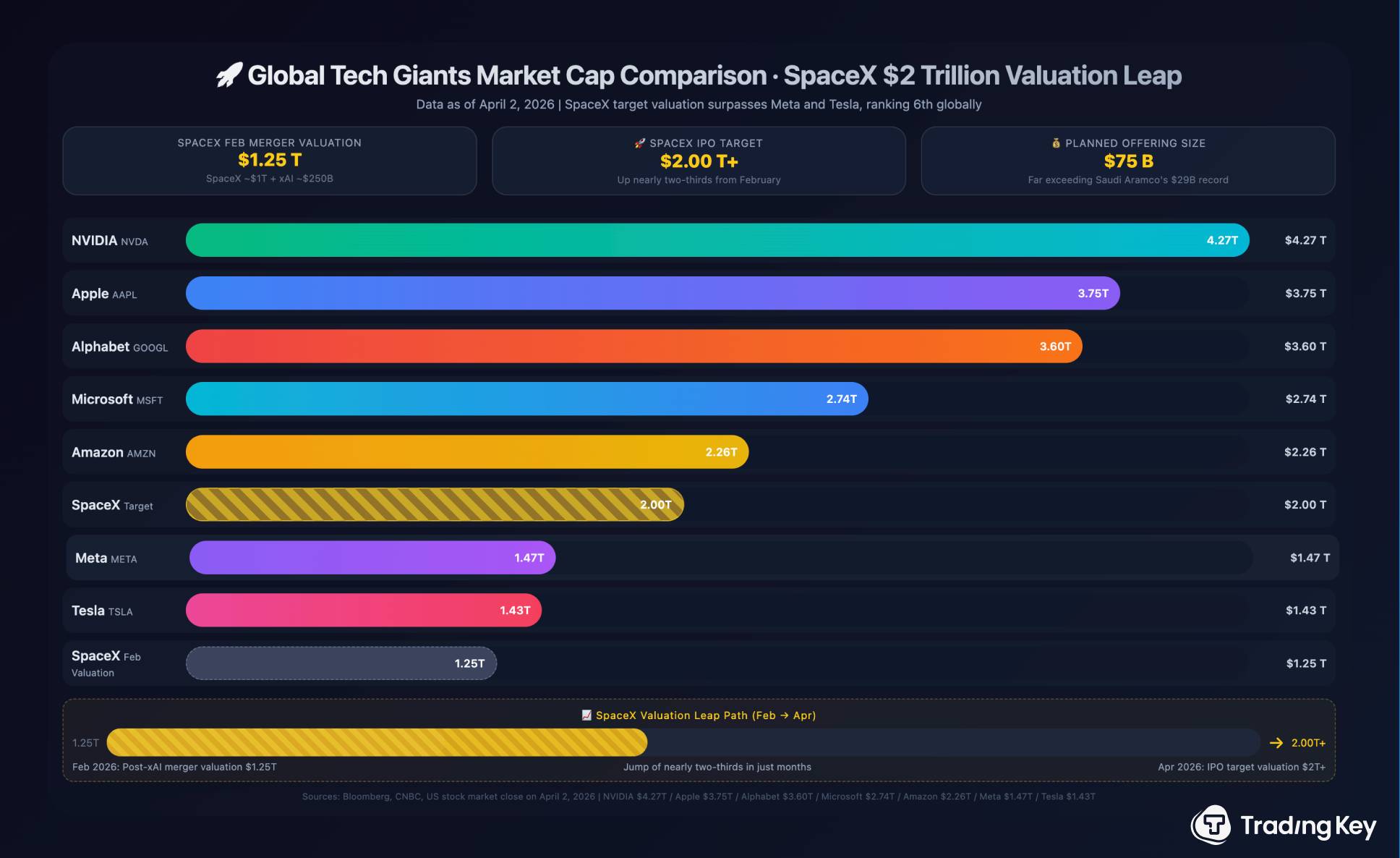
NEW YORK, April 2 (Reuters Breakingviews) - Space mania is again nearing its apogee. As NASA launches the first U.S. lunar flyby in a half-century, Elon Musk’s rocket-and-satellite-maker SpaceX is eyeing a $1.8 trillion listing. Would-be rival Amazon.com AMZN.O wants a chunk of the burgeoning market for orbital broadband. The frenzy might help industry also-ran Globalstar GSAT.O to finally clinch a sale. History, however, offers a warning about such sky-high ambitions.
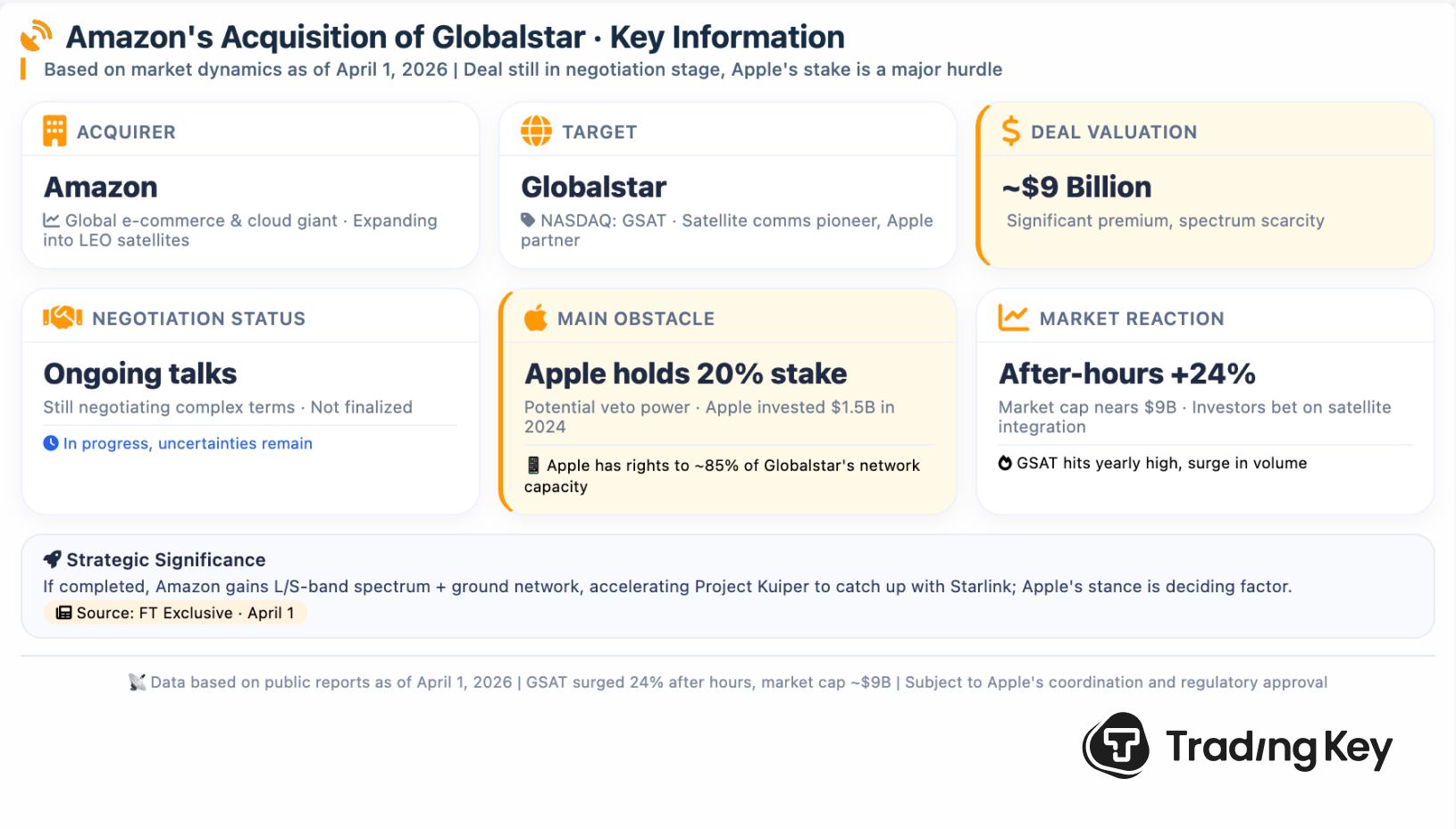
Amazon is in talks to buy Globalstar, the Financial Times reported on Wednesday. The target's market value stood at around $9 billion prior to the news. Even assuming a 25% premium, an $11 billion price tag would be cosmically insignificant next to Amazon’s 13-digit valuation.
It would still represent a chunky multiple of the company’s $147 million of expected EBITDA this year, according to LSEG data. Globalstar’s existing business isn’t the real attraction, though. It instead could offer key resources for Amazon LEO, the online giant’s effort to build a network of over 3,000 satellites beaming broadband connections back down to Earth. The service would compete with SpaceX’s Starlink, which dominates the market for ultra-fast, low-Earth-orbit services.
Globalstar has its own low-flying satellites. More importantly, though, it holds exclusive rights to transmit over specific frequencies in a dozen countries. This spectrum alone might be worth more than $4 billion, Clear Street research estimates.
Realizing the value of these airwaves has been no easy feat. Excitement for space ventures has waxed and waned for decades. Globalstar began as a joint venture in the 1990s, riding dotcom-era excitement over orbital telecommunications. Land-based cellular phones turned out to be the future, however, and it crashed into insolvency in 2002. In 2006, it went public, only for its share price to slump 99% in 2008. Other hopes also fizzled.
Globalstar eventually found a real partner in Apple AAPL.O. It now exerts a troublesome gravitational pull. After providing financing in exchange for building iPhone-focused services, the technology behemoth owns a 20% stake and dibs on 85% of Globalstar’s capacity. Amazon will presumably need to negotiate an exit trajectory.
Perhaps boss Andy Jassy will make good on Globalstar’s long-unrealized potential. Starlink’s success shows the potential value. But SpaceX’s valuation counts on astonishing growth, and it’s unclear whether the market is big enough to support more competitors without igniting a profit-destroying race to the bottom. What Globalstar proves is that with space cowboys, it's often ride or die.
Follow Robert Cyran on Bluesky.
CONTEXT NEWS
Amazon.com is in talks to buy Globalstar, the Financial Times reported on April 1. The provider of satellite communication services had a market capitalization of $9 billion prior to the news.
Amazon is building a network of satellites, and plans to place over 3,000 in low earth orbit. Rival Starlink, the satellite network owned by SpaceX, has about 10,000 satellites in orbit.
Apple owns a 20% stake in Globalstar after investing $1.5 billion in the company to help expand satellite services for iPhones. Globalstar said it would allocate 85% of its network capacity to Apple in the agreement.
Globalstar shares spent a long time in low orbit