Blackstone's $4 billion New World talks stall over control, Bloomberg News reports

By Kane Wu and Mihika Sharma
March 4 (Reuters) - Talks between Blackstone BX.N and New World Development 0017.HK have stalled, as the Cheng family resists giving up control of the Hong Kong property developer, Bloomberg News reported on Wednesday, citing people familiar with the matter.
The New York-based private equity firm proposed investing about $2.5 billion in a special-purpose vehicle that would make it New World's largest shareholder, while the Cheng family would contribute $1 billion to $1.5 billion, the report said.
Discussions have slowed as the family explores alternatives that would bring in capital without surrendering control, the report added.
The Cheng family has been in discussions with a handful of financial institutions to sell an equity stake in New World and Blackstone was the most advanced party in the process, a person with direct knowledge of the matter told Reuters.
Any investor would have to align their interests with the family and a change of control would be unlikely, said the person and a second source familiar with the situation.
Both declined to be identified as the discussions were private.
Blackstone and New World Development did not immediately respond to Reuters requests for comment.
The Cheng family is one of Hong Kong's wealthiest dynasties. Through their private conglomerate, Chow Tai Fook Enterprises, the family owns 45.24% of the developer, according to LSEG data.
The Cheng family's grip on New World has long been central to the group's strategy.
The company, the most heavily indebted developer among its peers, has been seeking to refinance its debt and bolster liquidity as Hong Kong's property sector remains under strain from tighter credit conditions and a weak office market.
The family, without any debt coming due imminently, is seeking to bring in an equity investor to ease debt pressure, the first source said.
New World has meanwhile been in negotiations with investors to sell various assets including the K11 Art Mall in Kowloon, but it has yet to find a buyer.
Shares of the company, with a market value of about $3 billion as of Wednesday, are up about 26% so far this year.
Related Articles
Middle East Conflict Escalates, Global Stocks and Bonds Fall, Was It Really Caused by One Sentence From Trump?
TradingKey - On Tuesday local time, the escalation of conflict in the Middle East triggered intense global market volatility. Gold (XAUUSD), bonds, and stocks fell in tandem, an unconventional movement that shattered the conventional logic of "buying safe havens during turmoil and trading stocks during stability."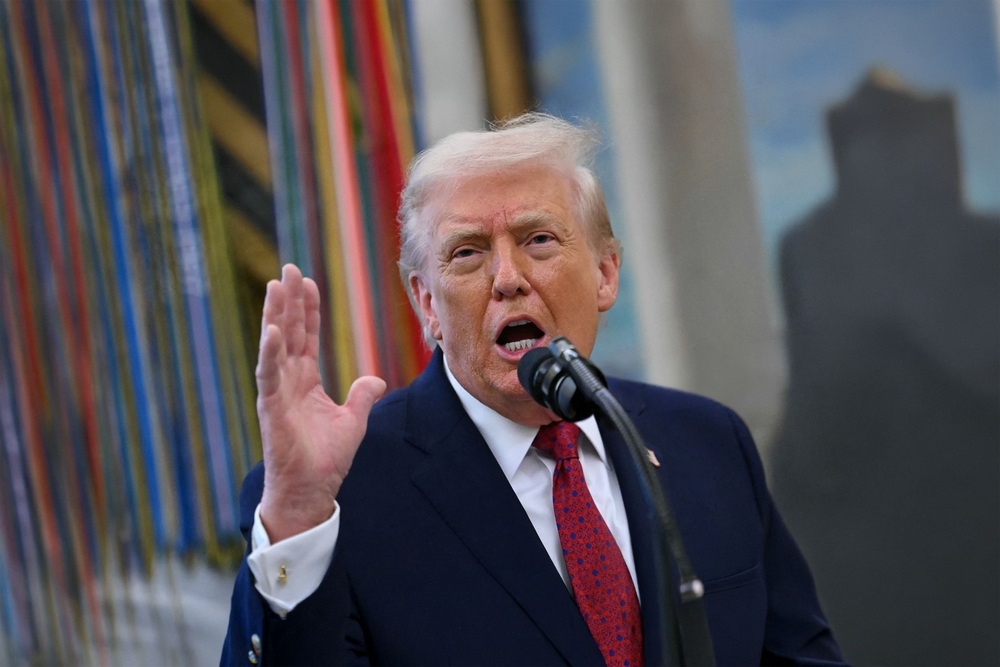
Gold’s $5,000 Breaking Point: Why the Middle East Crisis Isn't Saving the Bulls
As US-Iran tensions continue to escalate, gold prices saw a sudden plunge. Has the metal already peaked?
Trump’s ‘At All Costs’ Rhetoric Shorts Global Assets? Gold and Silver Not Spared
TradingKey - Amid intensifying geopolitical tensions, investors once bet on risk premiums in precious metals and safe-haven assets. On February 28, 2026, the United States and Israel launched localized air strikes against Iran. The strikes resulted in the death of Iran’s Supreme Leader and triggered multi-directional retaliatory actions across the region. Subsequently, Trump declared that strikes against Iran would be pursued "at all costs."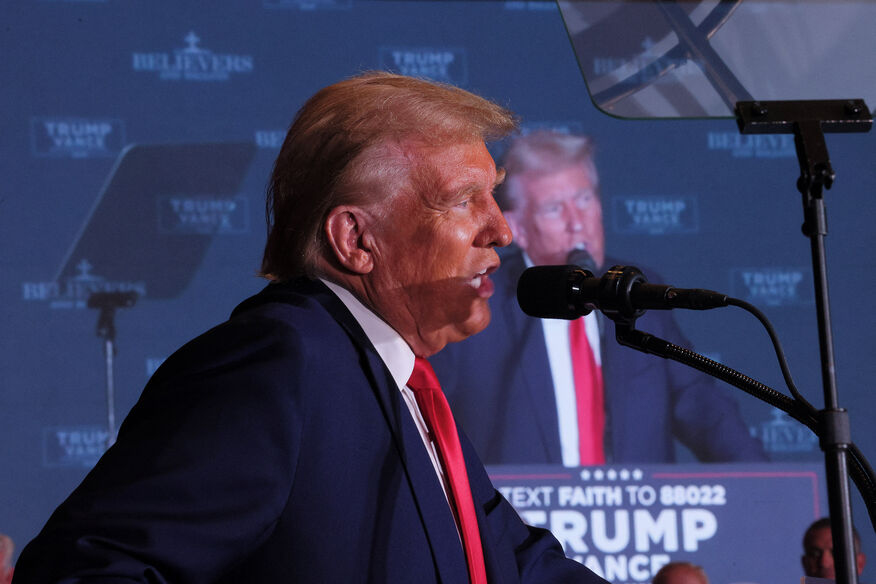
US-Iran Conflict Escalates: Why Did US Stocks Rise While Treasuries Plunged? Goldman Sachs Points to "Hidden Factors"
TradingKey - Despite the widening conflict in the Middle East and consecutive attacks on U.S. diplomatic facilities, the U.S. stock market’s reaction has remained unusually calm. On Monday, March 2 (ET), the three major U.S. stock indices opened lower but subsequently rebounded. By the close, the Na
Partnering With Lumentum and Coherent, Can Nvidia’s $4 Billion CPO Bet Support the Future of AI Computing Power?
TradingKey - On Monday, March 2 local time, NVIDIA (NVDA) announced that it has entered into a deep strategic partnership with optical technology manufacturers Lumentum (LITE) and Coherent (COHR). NVIDIA will invest $2 billion in each company, totaling a massive $4 billion investment. This move advances NVIDIA's strategic layout in the field of AI data center network architecture to a new stage.