Insurance gaps leave airlines exposed as Iran conflict widens

By Noor Zainab Hussain and Manya Saini
March 2 (Reuters) - As the U.S.-Israeli air war against Iran widened on Monday with no end in sight, focus shifted to the impact on airlines. Operations have been disrupted for a third day and revenue losses are not covered by insurers, analysts and insurance industry sources said.
Travel stocks from Asia to New York tumbled, wiping billions off market value, as the conflict hit thousands of flights worldwide, shut key Middle Eastern hubs and sent oil prices surging.
Here is how insurance industry experts and analysts view the event:
Analysts at Jefferies said commercial property "almost always" excludes war-related risks and, unlike marine and aviation exposures, such cover is not easily available as a separate policy.
The brokerage added that notable losses in commercial property, such as damage to Dubai's iconic Palm Jumeirah, might not be covered by insurance.
Jefferies said aviation war policies also give insurers the right to cancel cover, while the remaining non-war policies typically exclude war, either explicitly or under force majeure wordings.
Still, an industry source told Reuters that aviation insurers are used to dealing with such events and that there has so far been no notice of cancellation from any insurers.
Airlines have aviation war cover for their fleets, including damage to aircraft and liability, but revenue losses from operational disruption typically fall under business insurance policies that include war exclusions, leaving airlines to foot the bill, a second industry source said.
Ratings agency Morningstar DBRS said the events create significant underwriting and investment challenges for marine, aviation, property, travel, and supply chain insurance lines.
"From an aviation-hull perspective, insurers must consider the risk that missiles or air-defence interceptors could result in large hull and liability claims," it wrote in a note.
Morningstar DBRS added that an expansion of the conflict in the Gulf could prompt higher pricing and reduced capacity in terrorism and political violence insurance markets.
The insurance cost of shipping goods through the Middle East Gulf has surged as much as fivefold in the past 48 hours, with most underwriters not offering cover for sailings through the Strait of Hormuz, Reuters reported citing industry sources on Monday.
Related Articles
JPMorgan Warns Hormuz Blockade Risks Oil Shutdown in 25 Days, But How Will the US-Iran Conflict Shape Global Oil Prices?
TradingKey - Following the announcement on the night of February 28 banning all vessels from passing through the Strait of Hormuz, JPMorgan Chase issued a warning: if the Strait of Hormuz is completely blocked, the combined onshore and offshore storage capacity of Middle Eastern oil-producing nation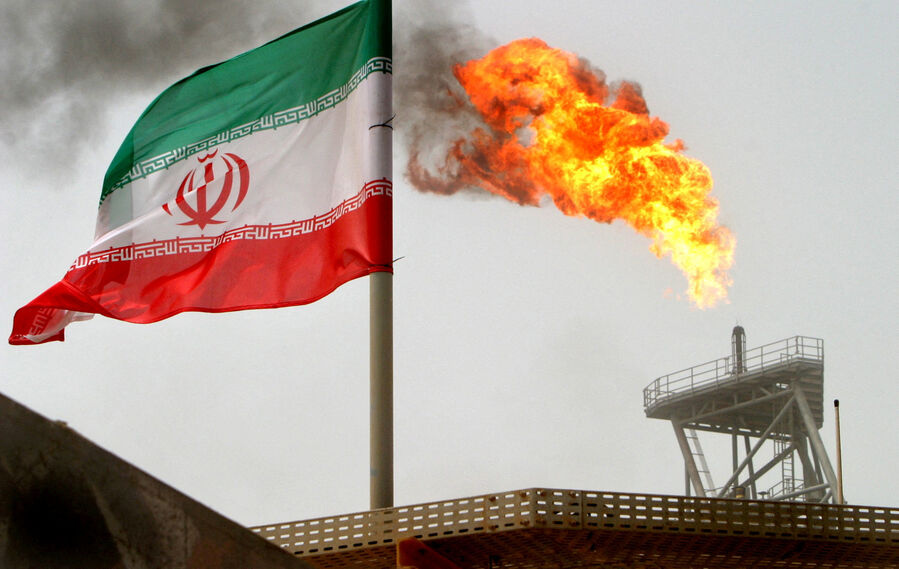
US-Iran Conflict Ignites, Global Arms Race Heats Up, Will Defense Stocks See a New Round of Gains?
TradingKey - On February 28 local time, the United States and Israel launched joint large-scale airstrikes against Iran, targeting its nuclear facilities, missile industry, and naval forces. This marks another sharp escalation in the conflict following the US military strikes on Iranian nuclear facilities in June last year. The military operation not only exacerbates already strained geopolitical tensions but has also sent shockwaves through global capital markets, which is expected to further boost defense stocks.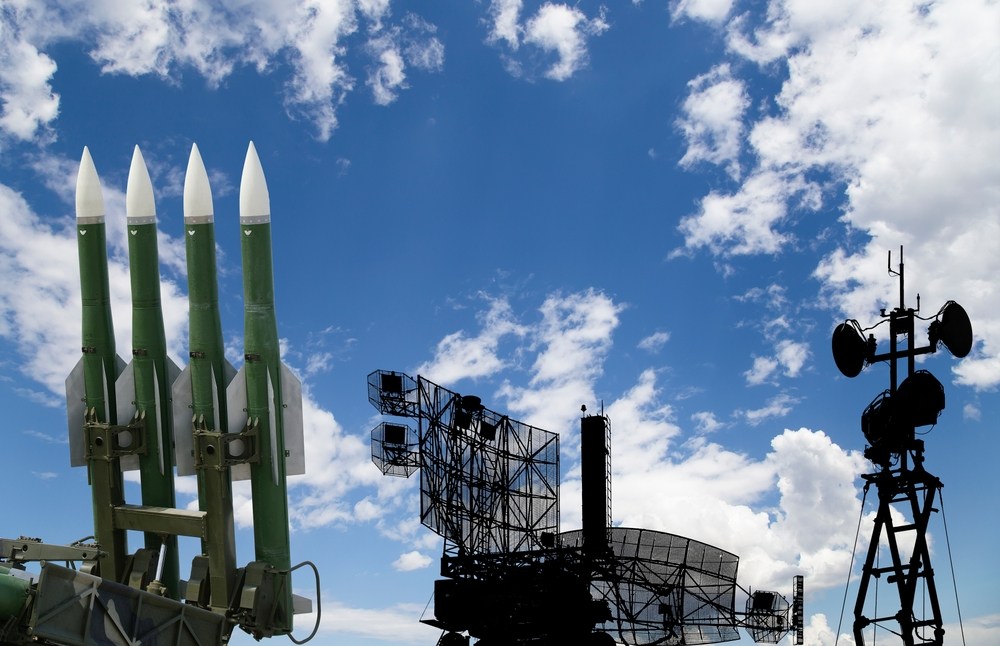
The Hyperliquid Phenomenon: HYPE Ecosystem’s Path to $250
Explore the Hyperliquid (HYPE) 2026 outlook as it evolves from a high-speed DEX into a powerful Layer 1 ecosystem. This analysis breaks down the $2.95 trillion trading volume, the impact of the HIP-4 prediction market launch, and the HYPE token's technical resilience at the $31.77 level amidst globa
U.S.-Iran Conflict Escalates. Strait of Hormuz Shutdown, How Much Room for Oil Prices to Rise?
TradingKey - A sharp escalation in geopolitical risks has directly triggered intense volatility in global crude oil markets. At the market open this Monday, WTI crude oil futures surged by over 11%, and Brent crude opened up 13%, though these gains subsequently narrowed.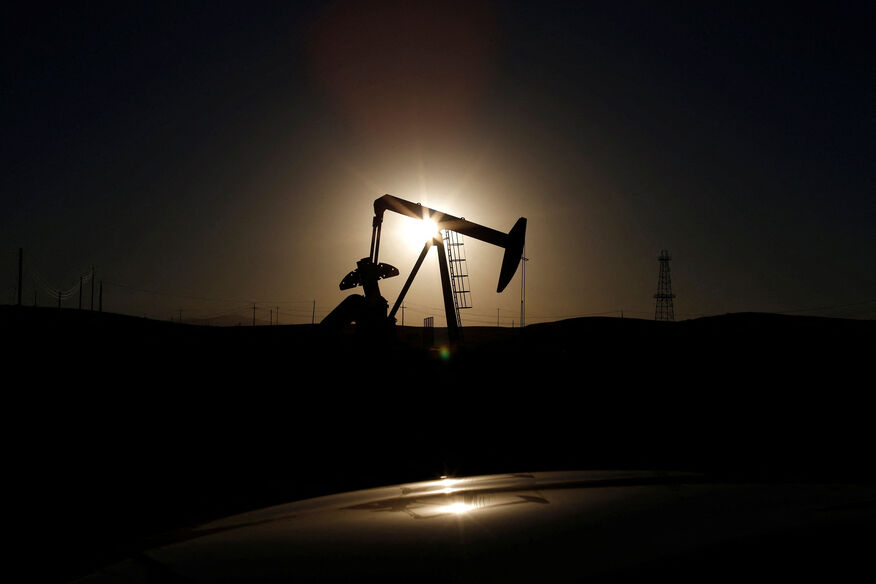
Shiba Inu 2026: L3 Evolution & the Next Bull Run
Discover the Shiba Inu (SHIB) 2026 outlook as it evolves from a meme coin into a sophisticated L3 utility network. This analysis covers the critical $0.00000589 support level, the impact of U.S. government SHIB holdings, and the Shibarium update featuring FHE privacy. Explore the "next Shiba Inu" bu