Credit markets dented as Middle East war adds another worry for investors

By Amanda Cooper
LONDON, March 2 (Reuters) - A number of key European credit indicators deteriorated on Monday, with an index of regional junk corporate credit hitting its highest yield since November on investor jitters over conflict in the Middle East and the fragility of the private credit market.
The U.S.-Israeli air war against Iran expanded to Lebanon as Israel responded to strikes by Hezbollah, while Tehran fired missiles and drones at Israel, Gulf states and a British air base in faraway Cyprus.
As sentiment faltered, investors ditched riskier assets such as credit, cryptocurrencies and equities.
SURGE IN COST OF DEFAULT INSURANCE
The iTRAXX Europe Crossover index ITEXO5Y=MG, which captures the cost of insuring against the risk of default on a basket of high-yield corporate debt, rose by nearly 11 basis points to around 270 bps, following the largest one-week rise last week since early October.
A similar measure of investment-grade credit, the iTRAXX Europe Main ITEEU5Y=MG, rose by 1.5 bps to around 57 bps, the most since mid-October.
Last week's collapse of a niche British mortgage financing company has added to investors' worries over ballooning corporate debt levels related to the artificial intelligence boom, as well as over lending standards.
Much of this borrowing has come via private credit, typically less transparent and liquid than public markets, and more liable to seize up in the event of a shock to the financial system.
"One should not lose sight of everything that is going on in the credit space (where spreads have in some cases been wafer-thin), and a known (difficult to quantify) risk that has in recent weeks been coming more and more to the fore - namely private markets and the exposure of banks through their lending books, to non-bank financial institutions," said Saltmarsh Economics chief economist David Owen.
JPMorgan boss Jamie Dimon said late last year that more "cockroaches" could emerge from pockets of Wall Street's multitrillion-dollar credit machinery.
A POSSIBLE BOUNCEBACK?
There were no new deals in the U.S. investment-grade bond market on Monday, according to International Financing Review (IFR) data. This will likely change on Tuesday after investors digest the latest geopolitical developments, according to Hans Mikkelsen, credit strategist at TD Securities.
"Today credit is already back to Friday's levels in many cases after the weakness overnight and in the morning," Mikkelsen said. "I expect the primary market to reopen tomorrow with a full plate."
At Friday's close, the ICE BofA U.S. Corporate Index traded at 118 bps, highest since late November, according to ICE data.
The ICE U.S. High Yield Index closed Friday at 312 bps, also the highest since late November, ICE data showed.
Short-dated U.S. Treasury yields rose as investors grew concerned about a surge in oil prices and a potential spike in global inflation.
"The regional concentration of global oil and gas supply flowing through the Strait of Hormuz and heightened uncertainties around the nature of the conflict point to elevated tail risks," said Nelson Jantzen, who covers high-yield bonds, leveraged loans and distressed leveraged credit at JPMorgan, in a note.
European shares fell broadly, led by losses in travel and leisure stocks, while bank stocks tumbled. Shares in major lenders such as HSBC HSBA.L, Banco Santander and Deutsche Bank DBKGn.DE fell 4% to 5%.
Related Articles
JPMorgan Warns Hormuz Blockade Risks Oil Shutdown in 25 Days, But How Will the US-Iran Conflict Shape Global Oil Prices?
TradingKey - Following the announcement on the night of February 28 banning all vessels from passing through the Strait of Hormuz, JPMorgan Chase issued a warning: if the Strait of Hormuz is completely blocked, the combined onshore and offshore storage capacity of Middle Eastern oil-producing nation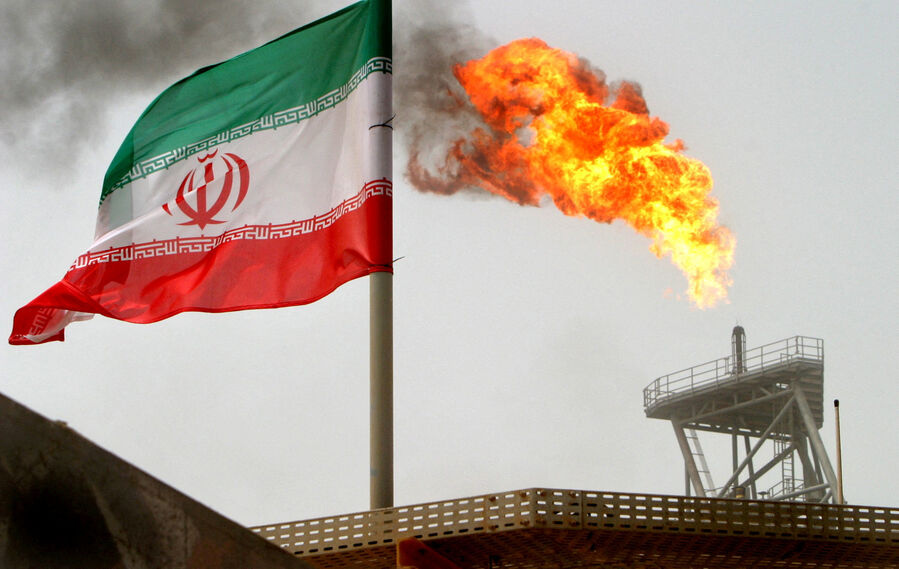
US-Iran Conflict Ignites, Global Arms Race Heats Up, Will Defense Stocks See a New Round of Gains?
TradingKey - On February 28 local time, the United States and Israel launched joint large-scale airstrikes against Iran, targeting its nuclear facilities, missile industry, and naval forces. This marks another sharp escalation in the conflict following the US military strikes on Iranian nuclear facilities in June last year. The military operation not only exacerbates already strained geopolitical tensions but has also sent shockwaves through global capital markets, which is expected to further boost defense stocks.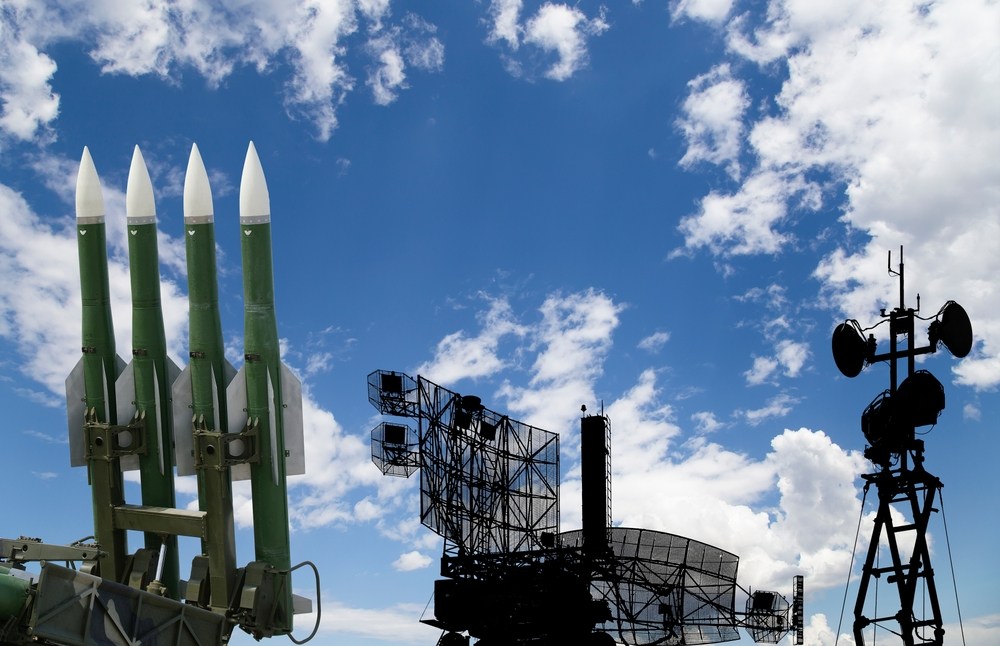
The Hyperliquid Phenomenon: HYPE Ecosystem’s Path to $250
Explore the Hyperliquid (HYPE) 2026 outlook as it evolves from a high-speed DEX into a powerful Layer 1 ecosystem. This analysis breaks down the $2.95 trillion trading volume, the impact of the HIP-4 prediction market launch, and the HYPE token's technical resilience at the $31.77 level amidst globa
U.S.-Iran Conflict Escalates. Strait of Hormuz Shutdown, How Much Room for Oil Prices to Rise?
TradingKey - A sharp escalation in geopolitical risks has directly triggered intense volatility in global crude oil markets. At the market open this Monday, WTI crude oil futures surged by over 11%, and Brent crude opened up 13%, though these gains subsequently narrowed.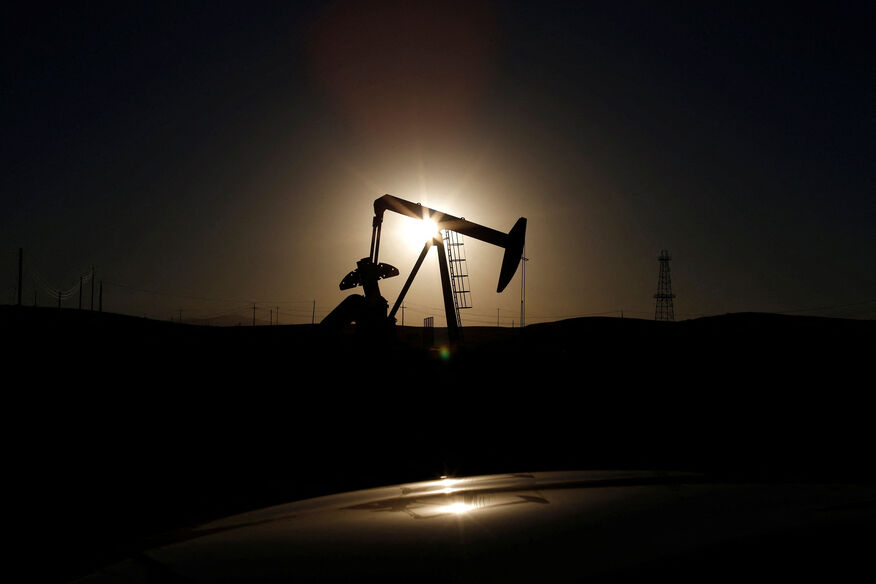
Shiba Inu 2026: L3 Evolution & the Next Bull Run
Discover the Shiba Inu (SHIB) 2026 outlook as it evolves from a meme coin into a sophisticated L3 utility network. This analysis covers the critical $0.00000589 support level, the impact of U.S. government SHIB holdings, and the Shibarium update featuring FHE privacy. Explore the "next Shiba Inu" bu