Christine Lagarde expects to complete her ECB term, she tells WSJ

FRANKFURT, Feb 20 (Reuters) - Christine Lagarde expects completing her mission as president of the European Central Bank will take until the end of her term, she told the Wall Street Journal in an interview on Thursday, amid reports she would step down before her contract expired.
Lagarde's comments come after the Financial Times reported on Wednesday that she planned to leave her job before the end of her contract in October 2027 and ahead of next year's French presidential election, to give outgoing French leader Emmanuel Macron a say in picking her successor.
“When I look back at all these years, I think that we have accomplished a lot, that I have accomplished a lot,” she said, adding, “We need to consolidate and make sure that this is really solid and reliable. So my baseline is that it will take until the end of my term.”
Reuters exclusively reported on Thursday, Lagarde sent a private message to fellow policymakers later on Wednesday, reassuring them that she was still concentrating on her role of leading Europe's most important financial institution and that they would hear it from her, rather than the press, if she wanted to step down.
Like her message to colleagues, Lagarde's Journal interview dampened speculation about an early exit but left the door ajar to the possibility.
She declined to comment to the newspaper on the Financial Times report. The ECB said in a written statement that Lagarde had not made a decision about the end of her term, but stopped short of denying the report.
The ECB president said last year she intended to complete her term, a commitment she conspicuously failed to repeat this week.
When Lagarde's name first emerged as a possible candidate for ECB president in 2019, she said she had no interest in the job and would not leave the International Monetary Fund, where she was the managing director.
LAGARDE'S MANY OPTIONS
Lagarde told the Journal that she viewed her mission as price and financial stability, as well as "protecting the euro, making sure that it is solid and strong and fit for the future of Europe."
She also said that the World Economic Forum was "one of the many options" she was considering once she left the central bank.
Bank of France Governor Francois Villeroy de Galhau announced plans to step down from his job last week, in a move that gives Macron a chance to pick the next French central bank chief.
The French president picks the country's central bank governor and, as the head of the euro zone's second largest economy, plays an important role in wider negotiations to select the head of the ECB.
Polls show either far-right National Rally leader Marine Le Pen, or her protege Jordan Bardella, could win the French presidency.
While the party has long dropped a call for France to leave the euro, the party is still seen as something of an unknown quantity in central banking circles.
Related Articles
Why the Yen Falls Further the More It Is Rescued: The Answer Lies in Japan’s Own Structural Contradictions
TradingKey - Entering early 2026, the attention of global investors is once again locked on the Japanese Yen (JPY). Despite the Bank of Japan (BoJ) gradually raising policy rates to a range of 0.5% - 0.75%, marking a definitive end to the era of negative interest rates, the yen continues to trend lower against the U.S. dollar.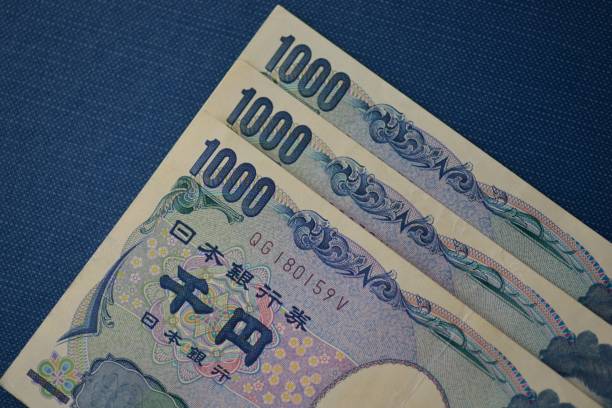
What Is the Best Nuclear Energy Investment in 2026? Which Should You Buy in, OKLO or Nuclear Energy ETFs?
TradingKey - Demand for electricity is surging, and data centers designed for artificial intelligence are a big reason. Governments are also demanding cleaner, dependable power. This coupling has brought about a revival in nuclear power, with capacity expected to increase in the coming decades. To i
Stock Market Crash 2026: What Fed Signals and Economic Data Mean for Investors
TradingKey - The possibility of a stock market crash occurring in 2026 is becoming increasingly likely as investor sentiment continues to decline.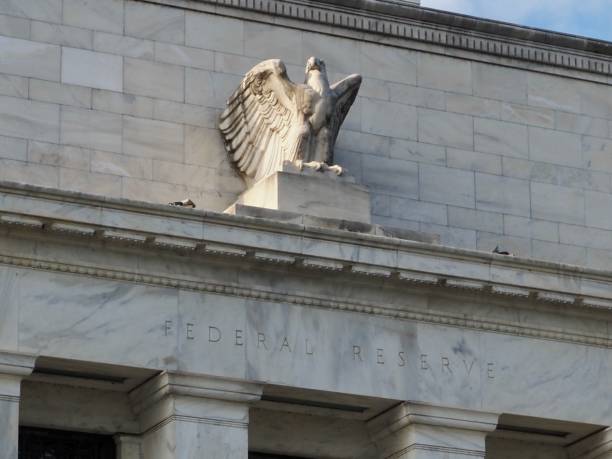
New Fed Chair Warsh Takes Office: Major Shift in Monetary Policy? US Dollar Short-Term Rebound, 2026 Investment Strategy Analysis
TradingKey - At the start of 2026, global financial markets witnessed a major leadership change as U.S. President Trump officially nominated Kevin Warsh as the next Federal Reserve Chair. Pending Senate confirmation, he will succeed Jerome Powell this May to lead the world’s most influential central bank.