UK minister warns 'made in Europe' plan could hit supply chains

By Victoria Waldersee
MADRID, Feb 19 (Reuters) - A British minister warned on Thursday that the European Union's "made in Europe" plan could impact supply chains and create unnecessary trade barriers between London and some EU member countries.
The comments from Nick Thomas-Symonds, Britain's minister for EU relations, come as the European Commission prepares to publish a law next week requiring a minimum share of products backed by public money in strategic sectors be manufactured within Europe.
"My concern is that if you had very strict preference requirements, you would risk impacting our deeply integrated supply chains that would create unnecessary barriers to trade in key UK-EU industries and increase costs," he said at an economic event in Madrid. "That would obviously affect UK-Spain supply chains."
Arguing that Britain and the EU share the same challenge to boost competitiveness and productivity, he said: "The UK is the fourth largest investor in Spain. We are not going to meet those challenges by causing unnecessary economic damage to each other."
Six years after formally exiting the EU, Britain - under Prime Minister Keir Starmer - is working to improve diplomatic and economic ties with the bloc, its largest trading partner.
Starmer has hinted at further alignment with the EU's single market, which allows goods, services, capital and people to move freely across member states.
The draft EU "made in Europe" plan defines Europe as the European Economic Area - the 27 EU member states plus Iceland, Liechtenstein, and Norway, but not Britain. It says, however, that other "trusted partners" could be added in future.
The initiative forms part of an EU drive to bolster domestic industries and reduce reliance on foreign suppliers in areas such as clean energy and advanced manufacturing in the face of competition from China and U.S.-driven uncertainty over tariffs.
Related Articles
How to View Trump’s Nomination of Kevin Warsh?
TradingKey - On January 30, 2026, U.S. President Trump officially announced the nomination of former Federal Reserve Governor Kevin Warsh to succeed Jerome Powell as the next Chair of the Federal Reserve. This decision rapidly drew significant attention from markets and the public. So, why did Warsh stand out among the numerous candidates?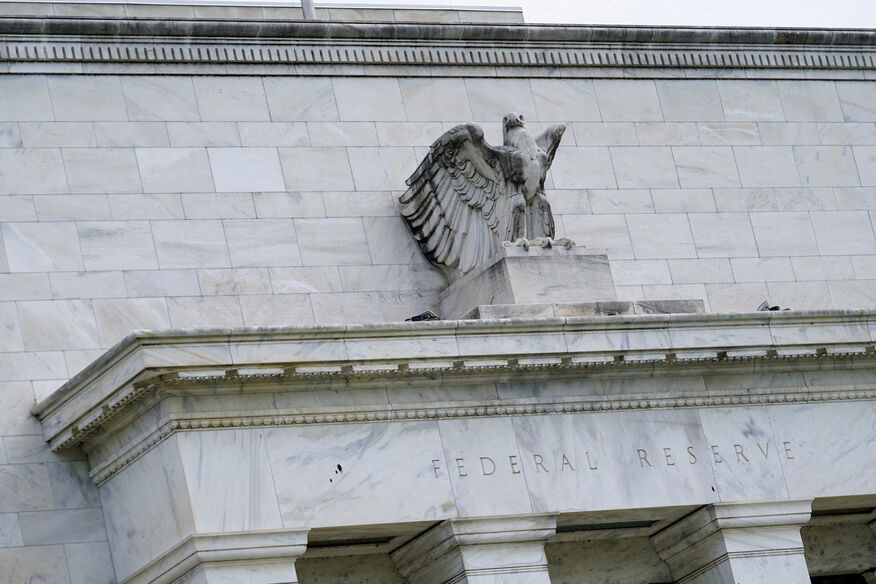
Should You Buy Berkshire Hathaway Post-Warren Buffett? What's Warren Buffett's Advice for 2026 Investment?
Berkshire built up a hoard of cash through 2025, accumulating nearly $400 billion—more than it had ever held before. That was by design. Berkshire, instead of joining the artificial intelligence rally that led the headlines, put the cash into short-term U.S. Treasuries with about 3.6% yields.
Digital Asset Rotation: Navigating Market Volatility With the Best Cheap Cryptos for 2026
Navigate the 2026 crypto rotation: Analyze the best cheap cryptos like Solana, Chainlink, and XRP amid Bitcoin’s volatility. Discover top picks for utility and long-term gains.