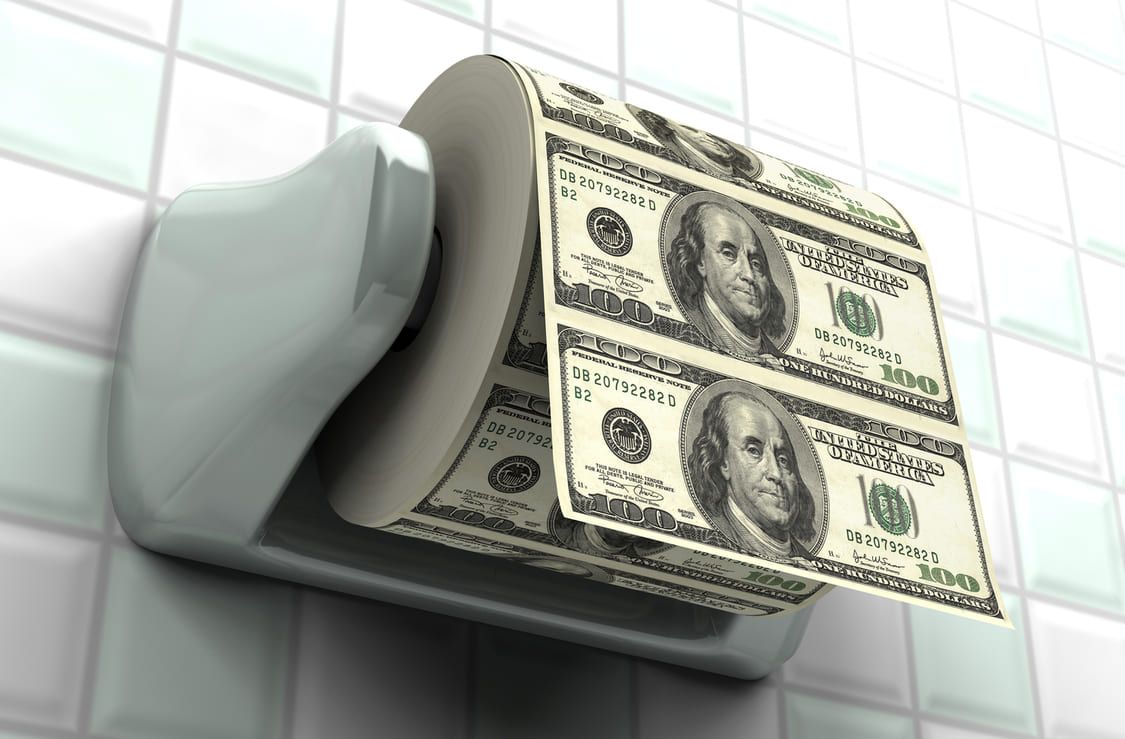
COLUMN-Shareholder activist Behar says Trump is 'disassembling capitalism': Ross Kerber

By Ross Kerber
Jan 21 (Reuters) - A year of changes by U.S. President Donald Trump and his securities regulators means a lot of uncertainty heading into the springtime shareholder meeting season.
Trump on December 12 ordered more oversight of proxy advisers, and his top securities regulator suggested many shareholder resolutions are improper under the law in Delaware, home to many big U.S. corporations. Also, on January 13, the chairman of the U.S. Securities and Exchange Commission, Paul Atkins, announced a review of "Regulation S-K," which could lead to companies disclosing fewer risk details.
The developments have many expecting that shareholder resolutions will not play much of a role this spring. Apple AAPL.N, whose annual meeting date of February 24 is one of the earliest, faces only one resolution this year. (It focuses on Apple's business in China from the conservative-leaning National Center for Public Policy Research.) Contrast that with four resolutions at Apple last year and five in 2024.
But Trump's efforts to shift power away from investors to managers could trigger unintended consequences, such as votes against directors who do not follow the wishes of shareholders. Sanford Lewis, an attorney representing liberal-leaning activist groups, said the SEC's stances may actually make companies more likely to include proposals on their ballots. Another conservative shareholder group, the National Legal and Policy Center, worries that diminishing shareholder influence "could unintentionally weaken market-based accountability."
So let's see what happens. Trump's December 12 executive order on proxy solicitors did not restrict proxy voting by big index funds, once a right-wing priority, and a sign the administration may not wholly side with executives against investors.
To make sense of things, I spoke with Andrew Behar, CEO of activist investor group As You Sow, a frequent resolution filer and company interlocutor. This transcript has been edited for length and clarity.
Q: If you could elaborate on the new proposals (on Regulation S-K) that SEC Chair Paul Atkins has put forward?
A: It's part of a larger campaign to essentially disassemble capitalism, to remove the capital from capitalism. That the capital is held by the shareholders, and what they're saying to shareholders is, "you have no more rights. You have no right to ask a company for any disclosure, any material disclosure." ... It gives companies access to the public markets, but without any responsibility, so companies can act like a private company.
Q: Isn't this in line with executive complaints that there's too much oversight from investors, that everyone will be better off if you let the CEOs (act) and the investors can choose who to back or not?
A: If you have no information, you're not going to know who to back. You're not going to know who are the riskiest companies. The SEC is basically going back to pre-1934, they're saying that we no longer are here to defend shareholders, we're here to defend corporations. They're inviting a calamitous collapse. The U.S. companies that follow this are going to box themselves out of international markets, like Europe.
A: There are companies that will say, "we don't have to address risk." Those are the companies that I believe will be underweighted.
Q: Would you like to see pushback from the big investor community on this regulation?
A: I think that the big asset managers should be outraged at the idea that they are going to be excluded from disclosure. They seem pretty cowed at the moment.
Q: Could it be that this is all for show on the U.S. side, but because of the EU regulations requiring this, most companies will just continue to do this kind of disclosure anyway?
A: I believe most will. Similarly, with no-action (a new SEC policy announced in November), we've actually had the fewest no-actions (steps by companies) at this time of year that we've ever had. It (takes) less resources to have a conversation with shareholders than to get sued because (managers) left a resolution off our proxy. So they're just putting everything on.
A: The companies are actually becoming maybe slightly more open to new ideas, just because they don't want to have it out in public. Because there's just so many trolls that are just attacking all kinds of crazy stuff.
A: Most companies will have a dialogue. There are those where you have to escalate by filing a resolution, about half of those then say, "OK, if you withdraw it, we'll take some action." Then there are the really resistant ones, about 25% or so, that you have to go to a vote.
Q: Is that 25% steady?
A: That's about steady. We've been filing fewer resolutions in the last couple of years.
Q: Where does climate activism go from here?
A: You just don't call it climate, you call it supply-chain risk. You have to figure out where your raw materials are coming from.
Q: Do you expect to get much support for these resolutions, given the investment landscape?
A: Here's the thing, these are nonbinding resolutions. We've had some of our biggest wins at 6% (support), we've had some of our biggest losses at 80%. We want to bring forth new ideas.
Q: It's clear the Trump administration's appointees do not have much enthusiasm for the role of shareholder resolutions. Will they succeed in marginalizing the role of resolutions?
A: What the administration seems to want is no oversight. They're trying to take away the property rights of shareholders. When you buy a share of stock, you have property rights. You have the right to decide who's on the board. You have the right to ask for material disclosures. If they take away your property rights, I think that sends a signal that they're not going to respect any of your property rights.
A: So I think people should start to be really cautious about their real estate. Will they be allowed to build a house on a piece of property that they bought? It's a slippery slope when you start taking away people's property rights, and I think there's going to be major pushback.
Related Articles
Warsh’s Fed Era Signals a Death Knell for QE, Jolting the $30 Trillion Treasury Market
With Warsh’s nomination, his past proposals for governing the Federal Reserve are being brought to the forefront. A central issue is the formulation of a new "1951 Accord" to restructure the relationship between the Fed and the Treasury. Analysts suggest such a move could impact the $30 trillion Tre
Amazon Stock Predictions for 2026 to 2030: Will They Exceed Expectations and Achieve Major Long-Term Goals?
TradingKey - As we head into 2026, many investors are questioning where Amazon (AMZN) fits into the technology world.
A Crash After a Surge: Why Silver Lost 40% in a Week?
TradingKey - Spot silver (XAGUSD) prices continue to decline. Silver plunged 20% on Thursday, breaking below $71 per ounce, with the sell-off intensifying on Friday as prices fell further below $64. Compared to the all-time high set on January 29, silver prices have retraced more than 40%, wiping out nearly all gains accumulated over the previous month.
USD Dollar Trend Forecast: Dollar Index Falls Below 97.0 to 4-Year Low, Will the Dollar Continue To Fall or Bottom Out in 2026?
TradingKey - In January 2026, the US Dollar Index continued its downward trend from 2025, officially breaking below the key 97.0 level and reaching a low of 95.5, marking a nearly four-year low since February 2022.