'Two Americas' economy lifts AmEx, drags Visa and Mastercard in 2025

Shares of card companies lagged the broader market this year as the low-income U.S. consumer grappled with elevated prices and sluggish job growth, while the affluent class continued its spending spree
Though consumer spending proved resilient through 2025, U.S. President Donald Trump's trade and immigration policies pressured the labor market and sticky inflation caused less-affluent Americans to pull back on discretionary spending
Card giants Visa V.N and Mastercard MA.N rose 11.9% and 9.7% each through the year, lagging a nearly 17.3% rise in the benchmark S&P 500 index .SPX
However, premium-focused rival American Express AXP.N rose 25.8%, as affluent consumers supported wider U.S. spending amid elevated stock market valuations along with easing tax burdens from Trump's One Big Beautiful Bill Act
Among fintechs, Affirm AFRM.O and LendingClub LC.N rose 24.6% amd 19% each
PayPal PYPL.O, which announced its first ever dividend in October, fell nearly 31% as the company continues to chase profitability over aggressive revenue growth
Consumer lender Capital One gained 36.8% while payments software maker Fiserv sank more than 67.1% this year, amid investor concerns about the company's near-term outlook amid growing pressure on its core payments and merchant business
Analysts expect fintechs and consumer finance companies to benefit from looser regulation and lower rates heading into 2026, even as concerns persist over the widening wealth gap
Economists at Goldman Sachs said in a note in December they expected weak income growth because of tepid job growth and cuts to government assistance programs like Medicaid and the Supplemental Nutrition Assistance Program, formerly known as the Food Stamp program, to weigh on spending by low-income households in 2026
S&P 500 Financials Index .SPSY was up 14.2% in 2025, with large-cap banks set for a second straight year of blockbuster gains
Related Articles
Warsh’s Fed Era Signals a Death Knell for QE, Jolting the $30 Trillion Treasury Market
With Warsh’s nomination, his past proposals for governing the Federal Reserve are being brought to the forefront. A central issue is the formulation of a new "1951 Accord" to restructure the relationship between the Fed and the Treasury. Analysts suggest such a move could impact the $30 trillion Tre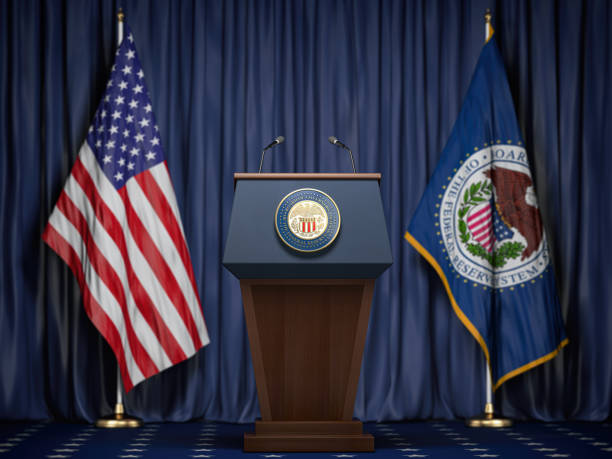
Will TRON Reach $10? TRX Price Prediction 2026 and Canary Staked ETF Update
Explore TRON's 2026 outlook: Will TRX reach $10? Get the latest on the Canary Staked ETF SEC status, Justin Sun's strategy, and TRX price predictions through 2032.
Amazon Stock Predictions for 2026 to 2030: Will They Exceed Expectations and Achieve Major Long-Term Goals?
TradingKey - As we head into 2026, many investors are questioning where Amazon (AMZN) fits into the technology world.
A Crash After a Surge: Why Silver Lost 40% in a Week?
TradingKey - Spot silver (XAGUSD) prices continue to decline. Silver plunged 20% on Thursday, breaking below $71 per ounce, with the sell-off intensifying on Friday as prices fell further below $64. Compared to the all-time high set on January 29, silver prices have retraced more than 40%, wiping out nearly all gains accumulated over the previous month.