By Gabriel Rubin and Neil Unmack
WASHINGTON, May 8 (Reuters Breakingviews) - Over a month since unleashing his global trade war, Donald Trump has struck one modest deal. The pact with the United Kingdom, hastily announced by the American president on Thursday, has some benefits for the U.S. But nobody should confuse it for a comprehensive trade agreement, as members of Trump's administration tried to insist. Negotiating other deals will only get harder from here.
In the old days, permitting 100,000 British-made cars to enter the United States at a reduced tariff rate, while sending Boeing aircraft worth $10 billion in the other direction, would likely have been announced by trade authorities or a visiting dignitary. Yet the White House needed to show some progress ahead of crucial meetings between Treasury Secretary Scott Bessent and Chinese Vice Premier He Lifeng in Switzerland this weekend.
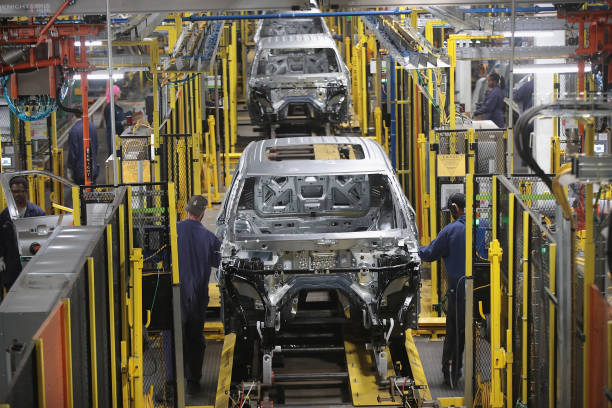
The UK was a natural candidate for a quick deal. Britain has a modest deficit in goods trade with the United States and a clear interest in shoring up its struggling auto and steel industries. The agreement helps save British carmakers, which would have struggled with the prior 27.5% levy on U.S. imports but can probably live with a 10% tariff. Britain exported vehicles worth $8.3 billion across the Atlantic in 2023, almost a fifth of the total, making a deal imperative for UK firms like Jaguar Land Rover. The country’s steelmakers also benefit. Though Britain exported semi-finished and finished steel worth a mere 370 million pounds to the U.S. in 2024, lowering the U.S. tariff to zero will make the country’s products more appealing to American customers relative to other countries.
These supposed "wins" are of little consolation to other British exporters. They are in a worse position than prior to Trump retaking office, as all other goods not covered by Thursday’s announcement face a 10% U.S. tariff. Meanwhile, Britain lowered levies on imports of American beef and ethanol, among other products. At least Prime Minister Keir Starmer has for now kept the country’s Digital Services Tax on big U.S. tech firms.
Still, the deal’s limited scope betrays the Trump administration’s desperation. Over a month after “Liberation Day” there is no clear path forward to avoiding tariffs on trading partners or removing a crippling 145% levy on Chinese goods. Regulatory standards and taxes are harder to lift, which helps explain why the U.S. and UK have not completed a comprehensive trade agreement since Britain left the European Union.
Those non-trade barriers will be particularly difficult with exporters like China, with whom the U.S. has clashed on labor standards, dumping, environmental rules, capital controls, and myriad other non-tariff issues for decades. Thursday’s announcement is therefore a fuzzy blueprint for U.S. negotiations with the rest of the world.
Follow @Rubinations on X
CONTEXT NEWS
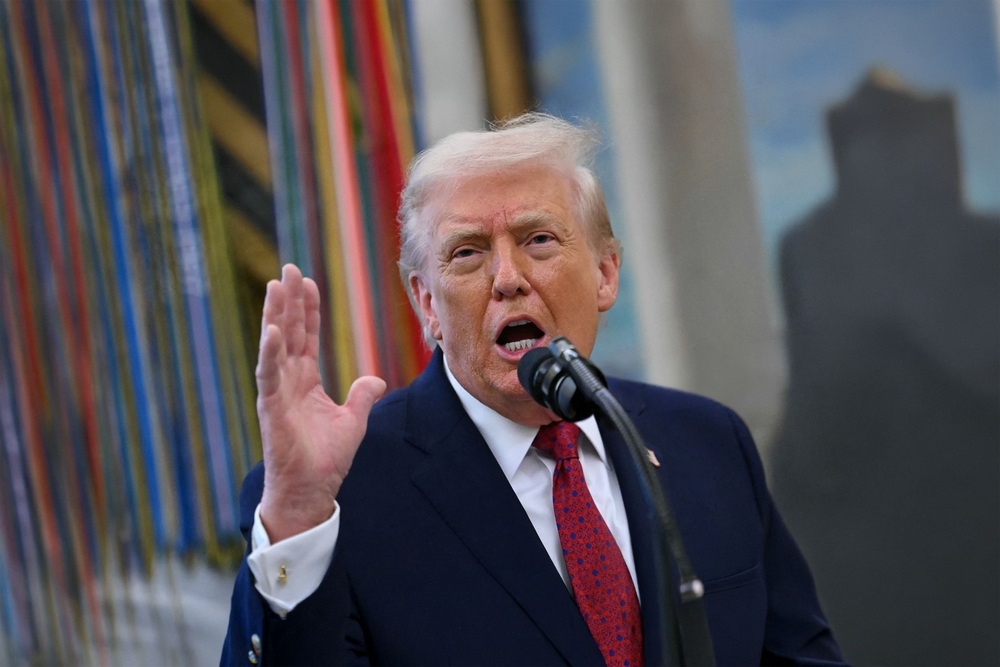
U.S. President Donald Trump and UK Prime Minister Keir Starmer on May 8 announced what they called "a breakthrough deal" on trade. The agreement announced by Trump from the Oval Office marked the first since the U.S. announced new global trade barriers on April 2.
The deal leaves in place a 10% tariff on goods imported from the UK, while Britain agreed to lower its tariffs to 1.8% from 5.1% and provide greater access to U.S. goods, including beef. Meanwhile, the U.S. lowered tariffs on UK auto exports to 10% from 27.5% for the first 100,000 vehicles.