CANADA FX DEBT-Canadian dollar weakens as flight to safety offsets oil price jump

By Fergal Smith
TORONTO, March 2 (Reuters) - The Canadian dollar weakened against its U.S. counterpart on Monday, as safe-haven gains for the greenback countered a jump in oil prices and domestic data that showed increased factory sector activity.
The loonie CAD= was trading 0.4% lower at 1.37 per U.S. dollar, or 72.99 U.S. cents, after moving in a range of 1.3638 to 1.3718.
"Geopolitical risk and risk-off still dominate," said Sarah Ying, head of foreign exchange strategy at CIBC Capital Markets.
"USDs are the de facto haven currency given poor performance in traditional defensive currencies such as the yen or Swiss (franc). And given little alternative for investors seeking havens, the USD leg should be stronger, and overshadow any oil benefit seen by the Canadian dollar."
The U.S. dollar .DXY rose the most since July against a basket of major currencies as the U.S.-Israeli air war against Iran expanded.
The price of oil was up 5.9% at $70.96 a barrel as the conflict forced shutdowns of oil and gas facilities across the Middle East and disrupted shipping in the crucial Strait of Hormuz.
Oil is one of Canada's major exports. Much of those exports go to the United States but Canada has ambitions to diversify its trade.
India and Canada will aim to conclude a free trade pact by the end of this year, Prime Minister Mark Carney said during his first visit to New Delhi.
Canada's manufacturing sector grew for a second straight month in February. The S&P Global Canada Manufacturing Purchasing Managers' Index rose to 51.0 last month from 50.4 in January, posting its highest level since January 2025.
Canadian government bond yields moved higher across the curve, tracking moves in U.S. Treasuries, as the jump in energy prices raised worries about escalating inflation.
The 10-year CA10YT=RR was up 10.1 basis points at 3.229%, rebounding after it touched on Friday a three-month low at 3.128%.
Related Articles
JPMorgan Warns Hormuz Blockade Risks Oil Shutdown in 25 Days, But How Will the US-Iran Conflict Shape Global Oil Prices?
TradingKey - Following the announcement on the night of February 28 banning all vessels from passing through the Strait of Hormuz, JPMorgan Chase issued a warning: if the Strait of Hormuz is completely blocked, the combined onshore and offshore storage capacity of Middle Eastern oil-producing nation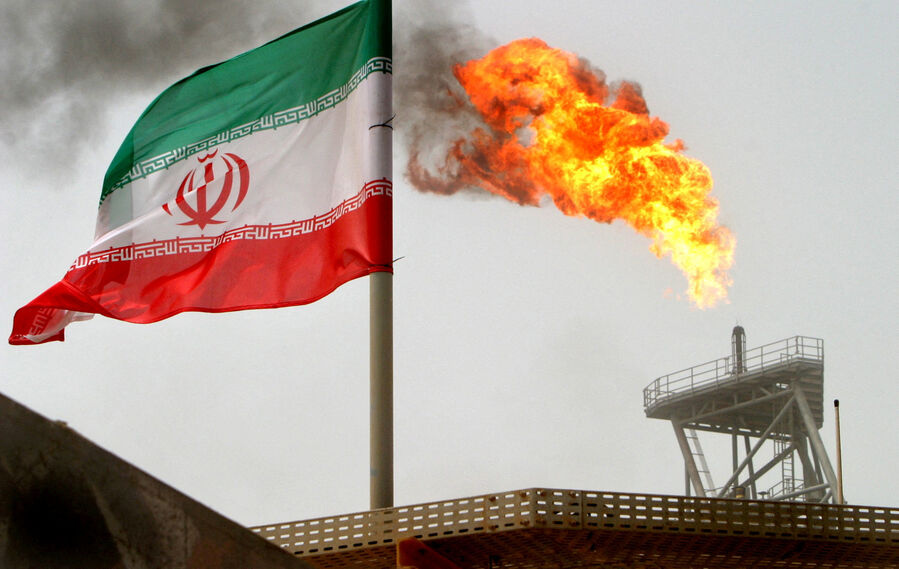
US-Iran Conflict Ignites, Global Arms Race Heats Up, Will Defense Stocks See a New Round of Gains?
TradingKey - On February 28 local time, the United States and Israel launched joint large-scale airstrikes against Iran, targeting its nuclear facilities, missile industry, and naval forces. This marks another sharp escalation in the conflict following the US military strikes on Iranian nuclear facilities in June last year. The military operation not only exacerbates already strained geopolitical tensions but has also sent shockwaves through global capital markets, which is expected to further boost defense stocks.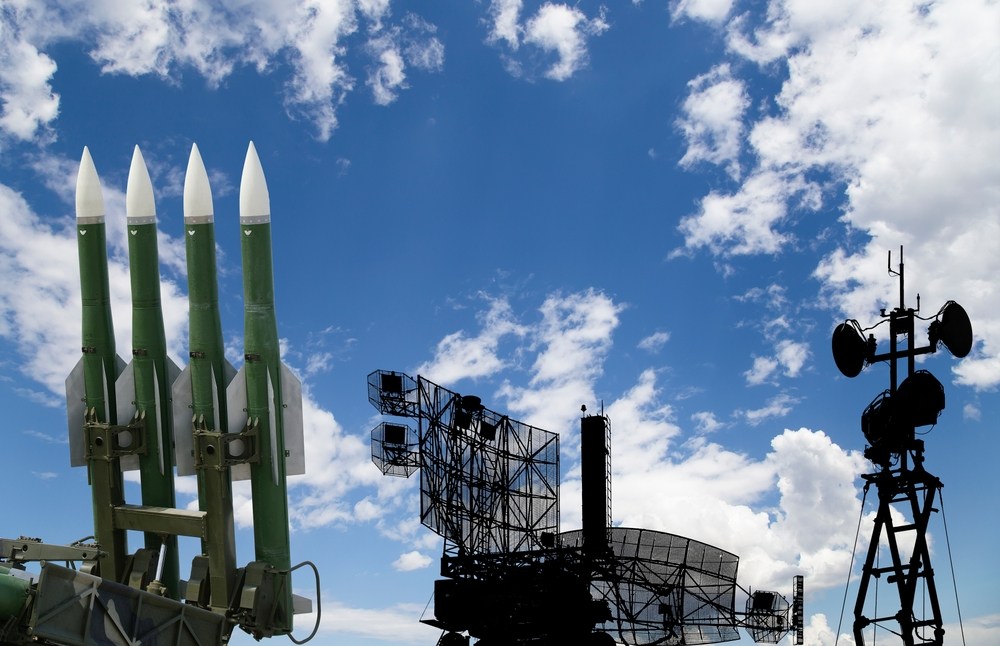
The Hyperliquid Phenomenon: HYPE Ecosystem’s Path to $250
Explore the Hyperliquid (HYPE) 2026 outlook as it evolves from a high-speed DEX into a powerful Layer 1 ecosystem. This analysis breaks down the $2.95 trillion trading volume, the impact of the HIP-4 prediction market launch, and the HYPE token's technical resilience at the $31.77 level amidst globa
U.S.-Iran Conflict Escalates. Strait of Hormuz Shutdown, How Much Room for Oil Prices to Rise?
TradingKey - A sharp escalation in geopolitical risks has directly triggered intense volatility in global crude oil markets. At the market open this Monday, WTI crude oil futures surged by over 11%, and Brent crude opened up 13%, though these gains subsequently narrowed.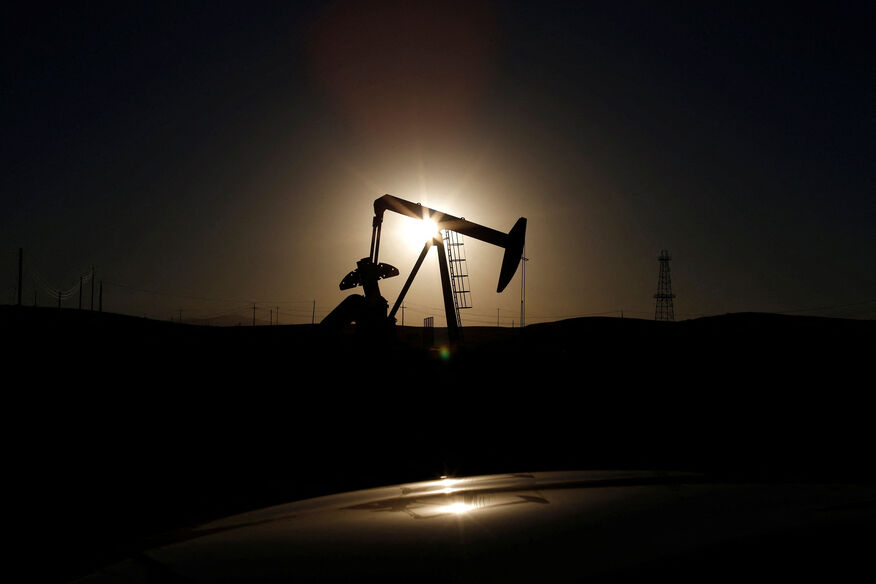
Shiba Inu 2026: L3 Evolution & the Next Bull Run
Discover the Shiba Inu (SHIB) 2026 outlook as it evolves from a meme coin into a sophisticated L3 utility network. This analysis covers the critical $0.00000589 support level, the impact of U.S. government SHIB holdings, and the Shibarium update featuring FHE privacy. Explore the "next Shiba Inu" bu