FOREX-Euro and yen slide as Middle East conflict escalates

By Karen Brettell
March 2 (Reuters) - The euro and yen fell on Monday as concerns about higher oil prices dented the currencies of countries most exposed to energy shortages, while the dollar also benefited from a safe-haven bid on concerns about conflict in the Middle East widening.
The U.S.-Israeli air war against Iran expanded on Monday with no end in sight, as Israel attacked Lebanon in response to strikes by Hezbollah, and Tehran fired missiles and drones at Gulf states and a British air base as far away as Cyprus.
Brent crude futures LCOc1 rose as much as 13% and were last up 7.6% on the day at $78.64 per barrel.
“It's mostly about exposure to oil,” said Steve Englander, head of global G10 FX research and North America macro strategy at Standard Chartered Bank’s New York branch. “The biggest dollar move came after the headlines that there had been some attacks on the oil facilities in the Gulf."
Qatar halted its production of liquefied natural gas on Monday, prompting precautionary shutdowns of oil and gas facilities across the Middle East.
Europe and Japan are more exposed to higher energy costs than the United States, which is a net energy exporter.
The dollar index =USD, which measures the greenback against a basket of currencies including the yen and the euro, rose 0.59% to 98.65, with the euro EUR= down 1.08% at $1.1686.
Against the Japanese yen JPY=, the dollar strengthened 1.1% to 157.74.
BoJ Deputy Governor Ryozo Himino said the growing market volatility would not prevent the central bank from raising rates, arguing that it was inappropriate to automatically tie its policy decision to market developments.
The U.S. currency also benefited from a safe-haven bid as traders analysed how long the conflict is likely to last and how it will ultimately turn out.
“The key thing is just the uncertainty,” said Marc Chandler, chief market strategist at Bannockburn Global Forex. “The endgame is unclear.”
Concerns that higher inflation will push back the date when the Federal Reserve next cuts interest rates also boosted the dollar.
A rate cut is no longer fully priced in until September, compared to previous expectations of July, based on pricing in the Fed funds futures market.
The Swiss National Bank said it was more willing to intervene in foreign currency markets after the conflict in the Middle East pushed the Swiss franc to its highest level against the euro in more than a decade.
The dollar strengthened 1.5% to 0.78 Swiss francs CHF=, while the franc was at its strongest for 11 years at 0.9032 to the euro EURCHF=.
The risk-sensitive Australian dollar AUD= weakened 0.77% versus the dollar to $0.7058.
In cryptocurrencies, bitcoin BTC= gained 5.43% to $69,271.
Related Articles
JPMorgan Warns Hormuz Blockade Risks Oil Shutdown in 25 Days, But How Will the US-Iran Conflict Shape Global Oil Prices?
TradingKey - Following the announcement on the night of February 28 banning all vessels from passing through the Strait of Hormuz, JPMorgan Chase issued a warning: if the Strait of Hormuz is completely blocked, the combined onshore and offshore storage capacity of Middle Eastern oil-producing nation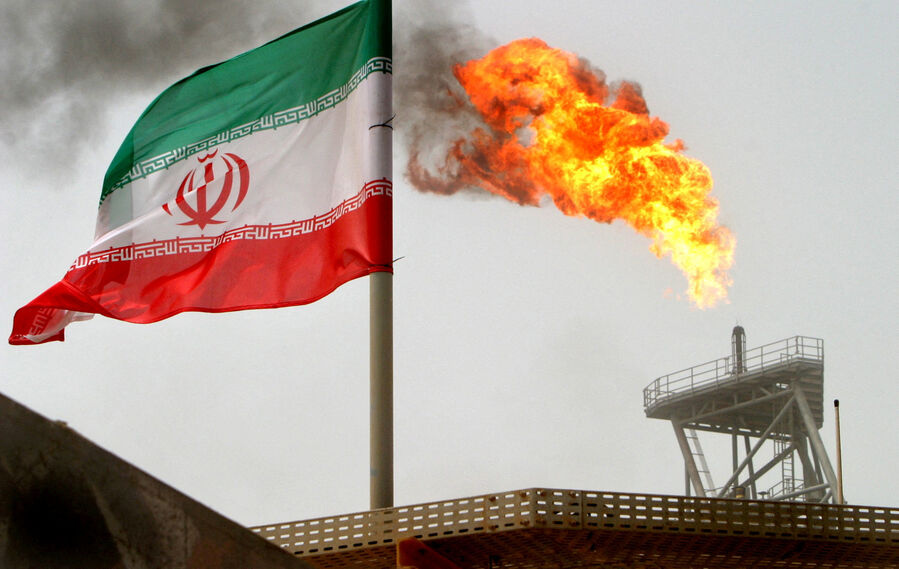
US-Iran Conflict Ignites, Global Arms Race Heats Up, Will Defense Stocks See a New Round of Gains?
TradingKey - On February 28 local time, the United States and Israel launched joint large-scale airstrikes against Iran, targeting its nuclear facilities, missile industry, and naval forces. This marks another sharp escalation in the conflict following the US military strikes on Iranian nuclear facilities in June last year. The military operation not only exacerbates already strained geopolitical tensions but has also sent shockwaves through global capital markets, which is expected to further boost defense stocks.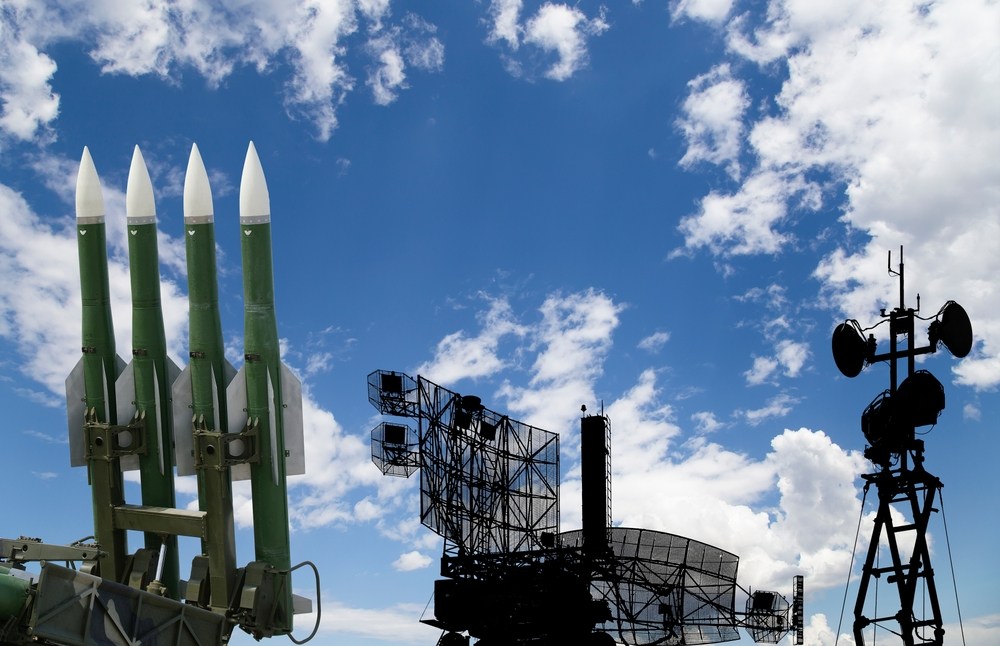
The Hyperliquid Phenomenon: HYPE Ecosystem’s Path to $250
Explore the Hyperliquid (HYPE) 2026 outlook as it evolves from a high-speed DEX into a powerful Layer 1 ecosystem. This analysis breaks down the $2.95 trillion trading volume, the impact of the HIP-4 prediction market launch, and the HYPE token's technical resilience at the $31.77 level amidst globa
U.S.-Iran Conflict Escalates. Strait of Hormuz Shutdown, How Much Room for Oil Prices to Rise?
TradingKey - A sharp escalation in geopolitical risks has directly triggered intense volatility in global crude oil markets. At the market open this Monday, WTI crude oil futures surged by over 11%, and Brent crude opened up 13%, though these gains subsequently narrowed.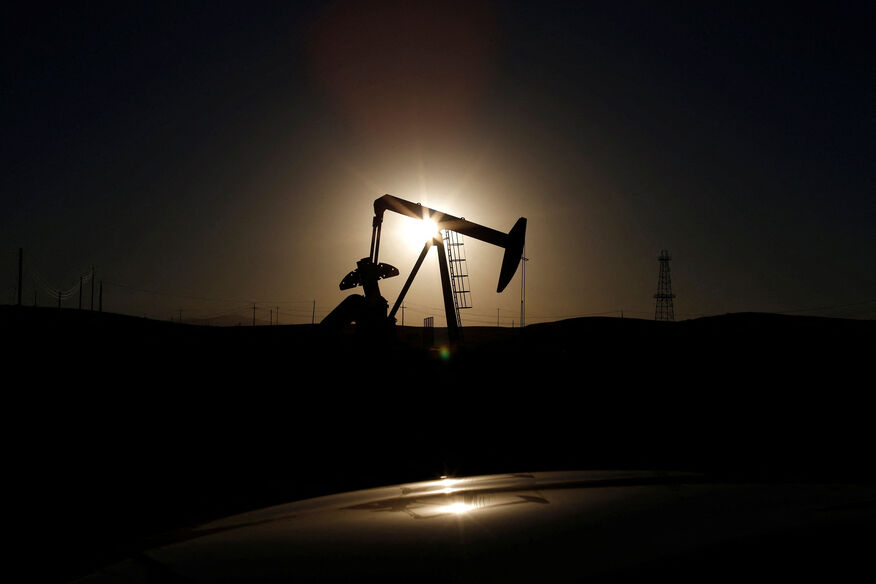
Shiba Inu 2026: L3 Evolution & the Next Bull Run
Discover the Shiba Inu (SHIB) 2026 outlook as it evolves from a meme coin into a sophisticated L3 utility network. This analysis covers the critical $0.00000589 support level, the impact of U.S. government SHIB holdings, and the Shibarium update featuring FHE privacy. Explore the "next Shiba Inu" bu