FOREX-US dollar gains as Warsh named next Fed Chair



By Karen Brettell
NEW YORK, Jan 30 (Reuters) - The U.S. dollar gained on Friday after former Federal Reserve Governor Kevin Warsh was selected to be the next Fed Chair, and as the U.S. currency recovered from a sharp selloff earlier in the week that analysts say was overdone in the short-term.
President Donald Trump on Friday chose Warsh to head the U.S. central bank when Jerome Powell's leadership term ends in May. Warsh is seen as likely to support lower interest rates but would stop well short of the more aggressive easing associated with some of the other potential nominees.
Marc Chandler, chief market strategist at Bannockburn Global Forex, said that Friday’s move higher in the dollar is likely driven at least in part by positioning heading into the announcement.
“The dollar was terribly oversold on the short-term momentum,” Chandler said. Meanwhile Warsh is “only one person…there's no consensus to have lower rates anytime soon, even if we get a late cut or two at the end of the year, like the December dot plot suggested.”
Policymaker projections issued after the U.S. central bank's December meeting showed a median expectation for a single quarter-percentage-point cut this year.
The Fed on Wednesday held interest rates steady, as was widely expected, amid what Chair Jerome Powell described as a solid economy and diminished risks to both inflation and employment, an outlook that could signal a lengthy wait before any further reductions in borrowing costs.
Fed funds futures traders are pricing in 52 basis points of rate cuts this year, with the first 25 basis point reduction likely in June.
"I would say it (Warsh's appointment) is dollar positive. He's an experienced central banker with previous Fed experience," said Kirstine Kundby-Nielsen, an analyst at Danske Bank.
"It alleviates some of the nervousness should we have got a Fed chair who was more politicised or who was a lot more dovish."
The dollar index =USD, which measures the greenback against a basket of currencies including the yen and the euro, was last up 0.57% at 96.73, with the euro EUR= down 0.55% at $1.1903.
The dollar also added to gains after data on Friday showed that U.S. producer prices increased more than expected in December, with businesses appearing to pass on higher costs from import tariffs.
Meanwhile Trump on Thursday endorsed a spending deal negotiated by U.S. Senate Republicans and Democrats to avoid a government shutdown, although he acknowledged one could still occur, while lawmakers continued negotiating guardrails to rein in immigration agents.
Geopolitical concerns remain in focus. Trump said on Thursday he planned to speak with Iran, even as the U.S. dispatched another warship to the Middle East and Pentagon chief Pete Hegseth said the military would be ready to carry out whatever the president decided.
The Japanese yen JPY= weakened 0.94% against the greenback to 154.57 per dollar. The greenback remains on track for a 0.73% weekly loss against the Japanese currency, however.
The yen has undergone a sharp rally in the past week as Japanese policymakers hint at possible coordinated currency market intervention with the United States to defend the currency that had tumbled to near 18-month lows.
The U.S. Treasury Department refrained from calling on the Bank of Japan to continue raising interest rates in its latest exchange-rate report to Congress, removing reference to do so in a previous report released six months ago.
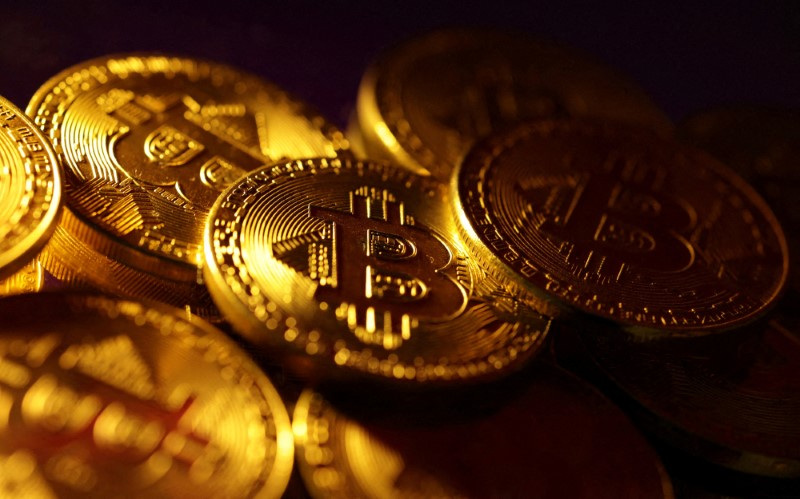
In cryptocurrencies, bitcoin BTC= fell 1.19% to $83,401 and earlier reached $81,104, the lowest since November 21.
Recommended Articles