China curbs domestic fuel price hike again to soften impact of surging oil prices

BEIJING, April 7 (Reuters) - China on Tuesday once again limited its price hikes for gasoline and diesel to around half the typical increase under its pricing mechanism, in a bid to mitigate rising oil prices from the Iran war and the effective closure of the Strait of Hormuz.
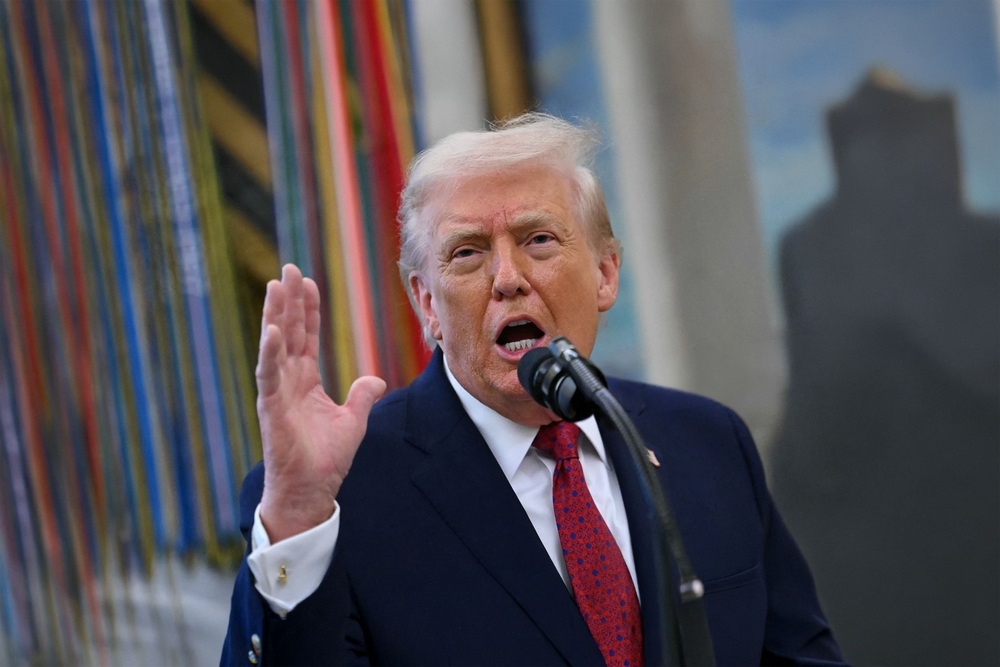
Oil prices extended gains after Iran rejected a ceasefire proposal from the United States and a deadline set by U.S. President Donald Trump for Tehran to reach a deal or get "taken out" drew closer.
Retail gasoline and diesel ceiling prices will rise by 420 yuan ($61.18) and 400 yuan per metric ton, respectively, from Tuesday midnight, the National Development and Reform Commission (NDRC) said.
The adjustment will cost a private car owner about $2.4 more to fill a 50-litre tank of 92-octane gasoline.
Under its scheduled pricing mechanism, the increases would have been 800 yuan and 770 yuan, respectively, according to the statement.
The government is continuing to implement measures to control refined oil prices to mitigate the impact of rising international oil prices on the domestic market, the NDRC said.
The agency reviews and adjusts retail gasoline and diesel prices every 10 working days nationwide. The adjustment rate reflects changes in international crude prices and accounts for average processing costs, taxes, distribution expenses and appropriate profit margins.
China last raised gasoline and diesel prices on March 23 by 1,160 yuan and 1,115 yuan per ton, respectively, dialing back the increases to about half the scheduled raise.
The world's second-largest oil consumer has weathered oil shocks from the war better than many Asian peers, thanks to its diversified supply network, rapid adoption of electric vehicles and oil stockpile.
The official manufacturing purchasing managers' index (PMI) data indicated a muted impact on the Chinese economy and end-users from the first weeks of the war. That resilience, however, has not extended to the airline industry, where carriers have had to raise fuel surcharges.
Economists warned that the war could spark "bad inflation" in China, as an input-cost shock to the world's largest manufacturing base threatens to squeeze already thin margins.
($1 = 6.8645 Chinese yuan renminbi)
China’s fuel retail price ceilings surge to near historical highs