Australian farmers, miners feel diesel squeeze with Iran war

By Melanie Burton and Helen Clark
MELBOURNE/PERTH, March 19 (Reuters) - Tight domestic diesel supplies due to limited stockpiles and far-flung distribution networks are rattling Australia's farming and mining sectors, the main users of the transport fuel, as the Iran war disrupts global oil supplies.
With the war squeezing fuel availability, China banned exports of diesel, gasoline and jet fuel last week, heightening fears of fuel shortages. Australia, Bangladesh and the Philippines are especially reliant on Chinese fuel supply.
Australia holds stockpiles far below global standards and last year imported 84% of its petroleum product needs, government statistics show.
"Australian farmers and miners are competing in a global marketplace for refined product. We are entirely dependent on those imports," said CLSA analyst Baden Moore.
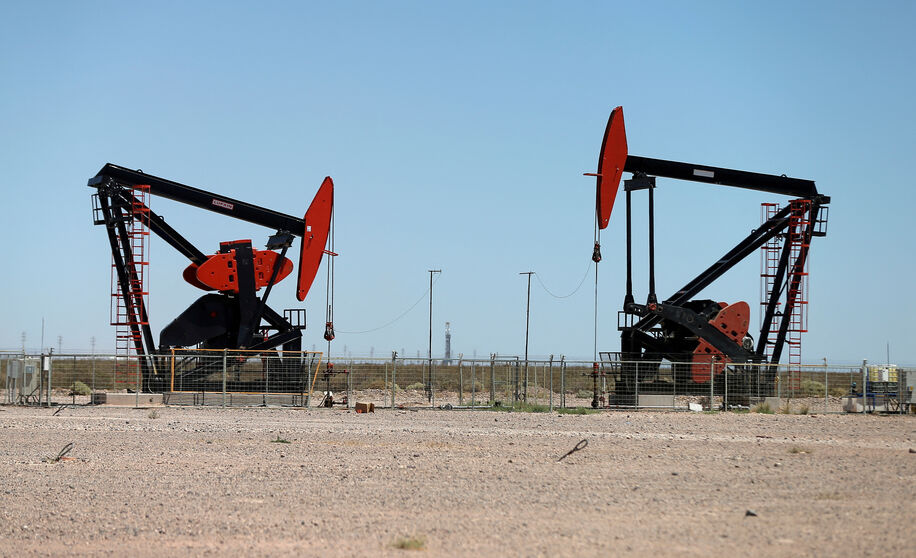
Given Australia’s vast distances, diesel is critical for regional businesses and communities, but shortages are beginning to bite. Diesel stocks are down to 30 days, Energy Minister Chris Bowen said on Tuesday.
"There has been an unprecedented rush on fuel - especially by bulk customers wanting to secure diesel before the full price impact hits," said Malcolm Roberts, CEO of the Australian Institute of Petroleum. AIP's members include Mobil, BP BP.L and Australia's two refiners, Viva Energy VEA.AX and Ampol ALD.AX.
"The buying surge has left customers without sufficient, secure contracted supply searching for fuel," he said.
Prime Minister Anthony Albanese on Thursday urged Australians to avoid panic buying of petrol and diesel and appointed a national coordinator to tackle shortages.
FARM PLANTING COULD BE CONSTRAINED
In southeast Australia, solid rains have set up a strong planting season that could be hampered if farmers lack tractor fuel, while some smaller miners are already rationing diesel and larger producers are closely monitoring supply.
The country's oil refiners and importers started allocating fuel volumes about two weeks ago, controlling how much distributors and retailers could deliver to regional areas, said Brent Squires, a general manager at diesel and grains distributor Riordan.
"It’s a period of high demand as farmers need to start planting crops following recent good rains through central Victoria and southern New South Wales. If farmers can’t plant their crops now, there will be no crops to harvest in the summer," he said.
BP said it and other major importers were making sure contracted customers were securing 100% of their contracted volumes. AIP said the suppliers had ceased spot sales.
"This has caused scarcity in the spot market due to unprecedented demand," a BP spokesperson said.
Viva Energy declined to comment, ExxonMobil XOM.N declined to comment beyond AIP statements, and Ampol, the country's biggest fuel supplier, did not respond to requests for comment.
Meanwhile, Blue Cap Mining (BCM), a small gold producer, has stood down some employees due to fuel shortages, its parent company Matsa Resources MAT.AX told the country's bourse.
"Matsa and BCM are working through the fuel shortage issue which is impacting the mining industry," it said.
More miners are likely to follow in Blue Cap's footsteps if current conditions persist over the next week, said Warren Pearce, CEO of the Association of Mining and Exploration Companies.
“At the moment there appears to be a portion of the industry, at the smaller end, that are missing out or only receiving rationed fuel supplies,” he said.
For now, Australia's biggest miners are watching and waiting. The country is the world's biggest supplier of seaborne iron ore and is the top coal exporter.
BHP BHP.AX is closely scrutinising diesel markets, but has not made any changes to its operations, CEO Mike Henry said on Wednesday, adding that higher diesel costs would drive up commodity prices.
Aviation fuel is also a concern, given Australia imports 32% from China and 15% from South Korea which has also restricted exports, CLSA's Moore said.
However, Australia's transport minister, Catherine King, said on Monday airlines Qantas QAN.AX and Virgin were well placed to withstand war-related fuel disruption and there were no short-term supply issues.