China oil refiners cushioned from Iran conflict with ample Iranian, Russian supply at hand

By Chen Aizhu and Siyi Liu
SINGAPORE, March 2 (Reuters) - Refiners in China, the world's top oil importer, have enough supply on hand to weather near-term disruption from the Iran conflict, bolstered by recent record purchases of Iranian and Russian crude and robust government stockpiling, traders said.
A prolonged supply disruption could, however, force the country's refiners to curb output and run down commercial stockpiles, some of the traders said.
China has around 900 million barrels in strategic inventories, or 78 days' worth of imports, according to estimates by Vortexa and traders.
Its independent refiners, known as teapots, are the main market for Iranian oil that trades at a deep discount thanks to U.S. sanctions that scare off most buyers, with record volumes in floating storage or on the way to China.
“Iran has boosted exports since mid-February and private refineries will still have access to around 30 million barrels of Iranian floating storage, most of which is off Malaysia and China,” said Sun Jianan, senior analyst at Energy Aspects.
Chinese traders were mostly on the sidelines on Monday, seeking to digest the impact of the joint U.S.-Israel air war against Iran, Tehran's retaliatory strikes in the Gulf and the conflict expanding into Lebanon. Oil prices were up 9%.
"The market is on edge and the situation could change by the day," said a senior trader with a large independent refiner.
A second trader at a Shandong province-based plant that processes Iranian oil said he "couldn't bring himself to bid" as he could not gauge how the situation would evolve.
NARROWER DISCOUNTS ON IRANIAN CRUDE?
That said, there is not much concern about supplies for March and April deliveries, with abundant Russian and Iranian barrels, the trader added.
While clear pricing indications have yet to emerge, some traders expect discounts for Iranian crude to narrow on expectations of tighter supply. One trader cited an offer at about ICE Brent minus $9 a barrel on a delivered basis, from minus $11 last week.
There is also market speculation that Iranian supplies could eventually be removed from Washington's sanctions list if the military campaign results in the U.S. taking control of Iranian oil exports.
For the year to date, China's oil imports from Iran account for 11.5% of its total seaborne imports, with oil from Russia close behind at 10.5%, according to tanker tracker Kpler.
Kpler pegged Iranian oil loaded in February at 2.15 million barrels per day, the highest daily level since July 2018, while Vortexa estimated it at 2 million bpd. Iranian exporters were said to have rushed to ship oil ahead of a possible conflict.
Meanwhile, China's Russian imports are set to climb for a third straight month to a record in February after India slashed purchases. Early transactions for April-arriving Russian ESPO blend remained deeply discounted at ICE Brent minus $8-$9 a barrel.
Emma Li, Vortexa's China analyst, said abundant Russian and Iranian shipments mean teapots are unlikely to turn to the mainstream market soon.
Related Articles
JPMorgan Warns Hormuz Blockade Risks Oil Shutdown in 25 Days, But How Will the US-Iran Conflict Shape Global Oil Prices?
TradingKey - Following the announcement on the night of February 28 banning all vessels from passing through the Strait of Hormuz, JPMorgan Chase issued a warning: if the Strait of Hormuz is completely blocked, the combined onshore and offshore storage capacity of Middle Eastern oil-producing nation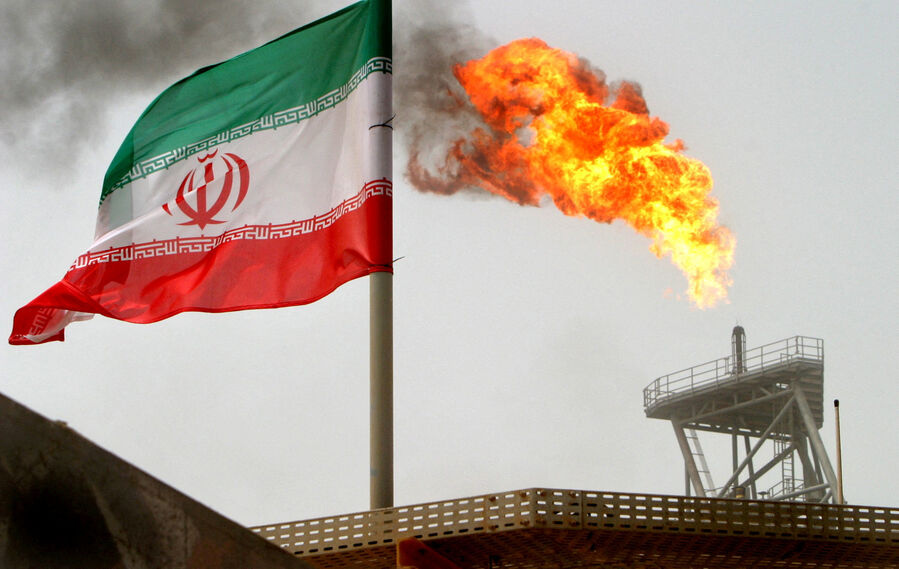
US-Iran Conflict Ignites, Global Arms Race Heats Up, Will Defense Stocks See a New Round of Gains?
TradingKey - On February 28 local time, the United States and Israel launched joint large-scale airstrikes against Iran, targeting its nuclear facilities, missile industry, and naval forces. This marks another sharp escalation in the conflict following the US military strikes on Iranian nuclear facilities in June last year. The military operation not only exacerbates already strained geopolitical tensions but has also sent shockwaves through global capital markets, which is expected to further boost defense stocks.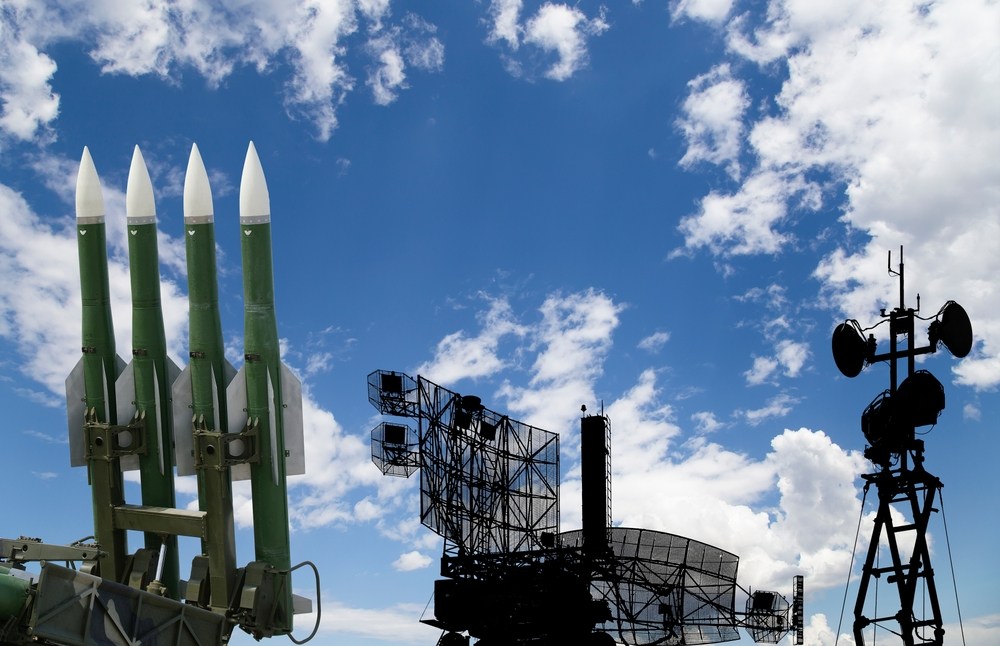
The Hyperliquid Phenomenon: HYPE Ecosystem’s Path to $250
Explore the Hyperliquid (HYPE) 2026 outlook as it evolves from a high-speed DEX into a powerful Layer 1 ecosystem. This analysis breaks down the $2.95 trillion trading volume, the impact of the HIP-4 prediction market launch, and the HYPE token's technical resilience at the $31.77 level amidst globa
U.S.-Iran Conflict Escalates. Strait of Hormuz Shutdown, How Much Room for Oil Prices to Rise?
TradingKey - A sharp escalation in geopolitical risks has directly triggered intense volatility in global crude oil markets. At the market open this Monday, WTI crude oil futures surged by over 11%, and Brent crude opened up 13%, though these gains subsequently narrowed.
Shiba Inu 2026: L3 Evolution & the Next Bull Run
Discover the Shiba Inu (SHIB) 2026 outlook as it evolves from a meme coin into a sophisticated L3 utility network. This analysis covers the critical $0.00000589 support level, the impact of U.S. government SHIB holdings, and the Shibarium update featuring FHE privacy. Explore the "next Shiba Inu" bu