Germany to scrap key parts of contentious heating law

BERLIN, Feb 25 (Reuters) - Germany's coalition parties have agreed to ditch a contentious heating law introduced by the previous government and allow homeowners to continue to install oil and gas heating systems.
Replacing the rules, pushed through by the Greens in 2023, was an electoral promise of conservative Chancellor Friedrich Merz in last year's campaign and follows weeks of wrangling with his Social Democrat coalition partners.
Here are some details:
Government says changes maintain goal of cutting emissions from buildings, but gives households more freedom of choice over heating and technology
Under new plans, gas and oil heating systems must be operated with increasing proportion of climate-friendly fuel, such as biomethane. Proportion is to be at least 10% in 2029 and rise in three further steps by 2040.
Previous law from 2023 required most newly-installed heating systems to use at least 65% renewable energy
Almost 80% of Germany's residential buildings are currently estimated to rely on oil or gas heating
Germany aims to be climate neutral by 2045. Transport and building sectors have lagged on tackling climate change
Merz's conservatives and SPD promised to ditch previous law in their coalition deal agreed last year
Greens pushed through law in 2023 even though then Economy Minister Robert Habeck had to water down his original plans due to public outcry. A row within the three-way coalition of SPD, Greens and pro-business FDP caused backlash from homeowners and opposition parties, was widely viewed as beginning of end of that government
Greens politicians are now furious about move, arguing it puts climate goals at risk
Experts concerned that Germany may not have sufficient biomethane, other green fuel to cover demand
Related Articles
Nvidia Q4 Earnings: Market Fears Competition, but NVDA Moat is Beyond CUDA
All eyes are on Nvidia this week, as the company reports its 2026Q4 earnings.
Nvidia Q4 Earnings Preview: AI-Driven Growth Versus Market Expectations
TradingKey - NVIDIA (NVDA) is set to release its fourth quarter fiscal year 2026 earnings report after the market close on February 25, ET. As the world undergoes a period of rapid AI technological advancement, market debates over a capital expenditure bubble have intensified. In this context, NVIDIA’s results serve not only as a test of its business performance but also as a core bellwether for the sustainability of the global AI boom.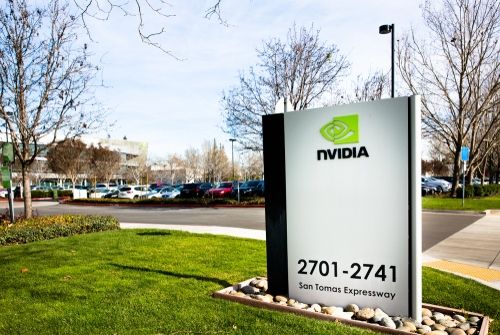
Tesla Stock Outlook: Why 2026 Could Be the Year of the Tesla Robotaxi
TradingKey - The concept of autonomous mobility for Tesla(TSLA) has gone from a projection of the far away future to a vital part of its overall long-term growth strategy.