Libya awards new oil, gas blocks to Chevron, Eni, others in first licensing round since 2007

By Ahmed Elumami
TRIPOLI, Feb 11 (Reuters) - Libya on Wednesday awarded oil and gas exploration blocks to foreign oil companies, including Chevron CVX.N, Eni ENI.MI, QatarEnergy and Repsol REP.MC, in its first licensing round in nearly two decades as it seeks to revitalise the sector despite ongoing political division.
The National Oil Corporation (NOC) announced the winners of its first bid round since 2007, allocating key acreage across the onshore Sirte and Murzuq basins and offshore blocks in the Sirte basin of the gas-rich Mediterranean.
The awards signal renewed interest as foreign investors have been wary for years of Libya's operating environment, after it descended into chaos following the 2011 overthrow of longtime ruler Muammar Gaddafi.
The country remains politically divided between rival administrations in the east and west, and disputes over the central bank and oil revenues frequently lead to force majeure declarations at key oil fields.
The licensing round, in which five of 20 blocks on offer were awarded, follows a 25-year oil development deal last month with France's TotalEnergies TTEF.PA and ConocoPhillips COP.N.
Differences over drilling commitments and participation stakes meant several blocks were not awarded in the latest licensing round, National Oil Corporation Chairman Massoud Suleman told reporters. He said that the results would be used to improve future contract terms to align with the global market.
Suleman also said there could be further negotiations over areas that received no bids in this round.
Eni and QatarEnergy secured rights to Offshore Area 01 in the Sirte basin, strengthening a strategic partnership between them that has expanded across the Mediterranean.
A separate consortium of Repsol, Hungary’s MOL MOLB.BU and Turkey’s state-owned TPOC won Offshore Area 07, also in the Sirte basin.
Chevron secured the Sirte S4 exploration licence, marking a significant return to Libya’s most prolific onshore basin.
In the southern Murzuq basin, Nigerian oil company Aiteo won the M1 licence, representing a rare entry by an African independent into the country’s upstream sector.
The inclusion of Turkey’s TPOC in two separate licences, including the onshore C3 block with Repsol, highlights ties between Ankara and Tripoli, where the internationally recognised Government of National Unity led by Prime Minister Abdulhamid Dbeibah is based.
QatarEnergy’s entry into the offshore sector alongside Eni could signal Libya is potentially seeking to tap Doha’s gas expertise as the country aims to boost gas exports to Europe by 2030.
The round used a new, more investor-friendly contract model to replace the rigid terms that previously deterred investment. Libya is targeting a production capacity of 2 million barrels per day (bpd) from current output of around 1.4 million bpd.
"Libya is a priority country in Repsol’s portfolio where it sees continued potential through targeted investments in exploration, production enhancement, and infrastructure optimization," Repsol told Reuters in a statement.
Related Articles
Best AI Tools for Stock Analysis in 2026 to Boost Your Investment Portfolio
As Artificial Intelligence (AI) continues to enhance everyday decision-making, these tools will allow us to leverage artificial intelligence to analyse stocks and optimise our investment portfolio.
Silver Faces Sixth Consecutive Year of Supply Deficit, How Much Upside Is Left in 2026?
TradingKey - According to the 2026 Silver Market Outlook recently released by the Silver Institute, the current robust performance of the silver market remains supported by solid fundamentals. The report indicates that the global silver market is expected to face a structural supply-demand imbalance
Retail Trading Hub Robinhood Sinks Again, Slumping Over 7% After Hours, Signaling Lack of Interest in Crypto?
TradingKey - Robinhood (HOOD) reported a 34% decline in fourth-quarter net profit to $605 million, with total revenue of $1.28 billion missing Wall Street expectations.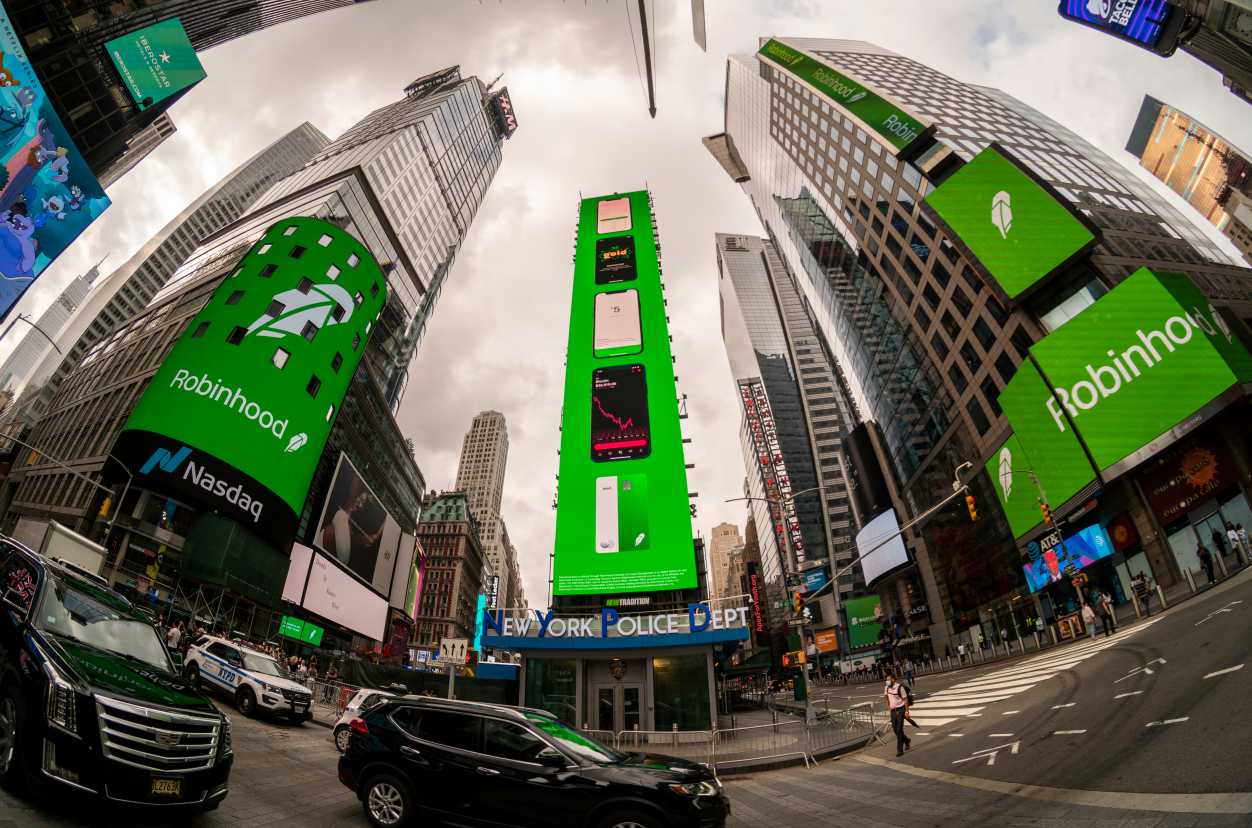
After $20B Debt Sale, Google’s Rare 100-Year Bond Sparks Scrutiny: Has AI Drained the Tech Giant’s Coffers?
TradingKey - According to a Financial Times report, Google parent Alphabet (GOOG)(GOOGL) is planning to issue bonds denominated in British pounds and Swiss francs, which may include the first 100-year GBP bond of this century.
U.S. January Nonfarm Payrolls Preview: Likely to Beat Expectations, but with Limited Impact on US Stocks
TradingKey - Against the backdrop of the U.S. economy demonstrating robust resilience and the coordinated easing of monetary and fiscal policies, the nonfarm payrolls data are likely to beat the market consensus expectations.