GRAINS-Chicago corn, soy, wheat futures drop on US tariff fears

Updates at 0330 GMT
By Ella Cao and Mei Mei Chu
BEIJING, Feb 10 (Reuters) - Chicago Board of Trade futures for corn, soybeans and wheat dipped for a second straight session on Monday after U.S. President Donald Trump renewed warnings about imminent tariffs, raising concerns of retaliation that could harm U.S. crop sales.
The most active soybean contract Sv1 on the Chicago Board of Trade (CBOT) was down 0.17% at $10.48 a bushel by 0330 GMT. Corn Cv1 dropped 0.72% to $4.84.
On Sunday, Trump said he would introduce new 25% tariffs on all steel and aluminium imports and provide more details on the reciprocal tariff plan either Tuesday or Wednesday this week.
The market is down across the board on the back of the Trump steel tariffs, said Ole Houe of IKON Commodities in Sydney.
"Traders can now see a clearer path to lower economic growth in the U.S as well as globally. There were initial hopes that it may all be nothing, but it seems clear that the tariffs are here to stay and even grow," Houe said.
Earlier, Trump had set 25% tariffs on Canada and Mexico but delayed them. His levies against China prompted a measured response from Beijing, notably avoiding tariffs on agricultural products, which provided some relief to grain traders.
In South America, improving weather in dry growing areas of Argentina, the world's top exporter of soymeal and soyoil, and a larger-than-expected soybean harvest in top soybean supplier Brazil also pressured soy and corn prices.
Expected showers in Argentina's central and northern regions will likely offer some relief to crops that have been struggling with dry conditions.
Brazil's 2024/25 soybean crop is now projected at 174.88 million metric tons, up from the earlier estimate of 173.71 million tons, according to Safras & Mercado.
Traders also await the U.S. Department of Agriculture's monthly supply and demand reports due on Tuesday.
Meanwhile, wheat Wv1 dipped 0.64% to $5.79 a bushel, partly due to weak demand and abundant shipments from the Black Sea region, despite expectations for tighter supply.
Global wheat imports are likely to decrease this year, with slower purchases from major importers like China, which is capping wheat prices.
Traders are staying alert for cold weather that could damage crops in Russia and Ukraine, while Russian export restrictions may further slow wheat shipments.
Related Articles
Will Bank of England Still Cut Rates in 2026? Falling Inflation Favors Loose Monetary Policy, Pound Exchange Rate May Struggle to Sustain Strength.
TradingKey - The outlook for the British Pound in 2026 is undoubtedly one of the most significant focal points for investors in the FX market. Following a structural shift in 2025 characterized by a "low start and high finish," GBP/USD successfully broke out of its two-year trading range and stabilized near 1.35 at year-end, laying the foundation for its performance in 2026.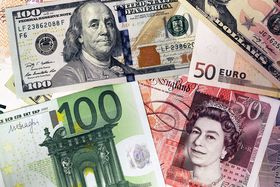
Why the Yen Falls Further the More It Is Rescued: The Answer Lies in Japan’s Own Structural Contradictions
TradingKey - Entering early 2026, the attention of global investors is once again locked on the Japanese Yen (JPY). Despite the Bank of Japan (BoJ) gradually raising policy rates to a range of 0.5% - 0.75%, marking a definitive end to the era of negative interest rates, the yen continues to trend lower against the U.S. dollar.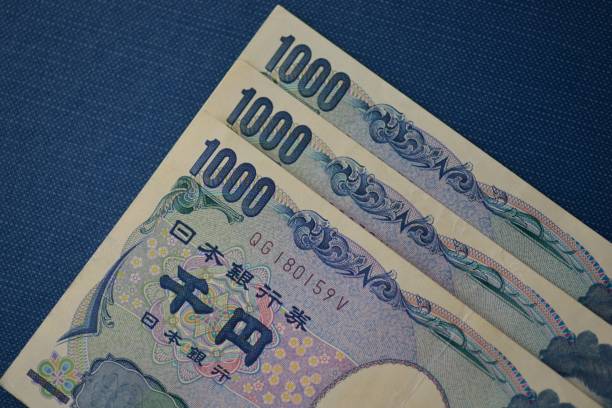
What Is the Best Nuclear Energy Investment in 2026? Which Should You Buy in, OKLO or Nuclear Energy ETFs?
TradingKey - Demand for electricity is surging, and data centers designed for artificial intelligence are a big reason. Governments are also demanding cleaner, dependable power. This coupling has brought about a revival in nuclear power, with capacity expected to increase in the coming decades. To i
Stock Market Crash 2026: What Fed Signals and Economic Data Mean for Investors
TradingKey - The possibility of a stock market crash occurring in 2026 is becoming increasingly likely as investor sentiment continues to decline.
New Fed Chair Warsh Takes Office: Major Shift in Monetary Policy? US Dollar Short-Term Rebound, 2026 Investment Strategy Analysis
TradingKey - At the start of 2026, global financial markets witnessed a major leadership change as U.S. President Trump officially nominated Kevin Warsh as the next Federal Reserve Chair. Pending Senate confirmation, he will succeed Jerome Powell this May to lead the world’s most influential central bank.