


Mineral Resources
LIST1026Key Figures
Related Stocks












News
TradingKey - On September 21, US-listed stocks tied to Greenland resources surged in pre-market trading. Greenland Energy (GLND) soared over 220% at one point, Greenland Mines (GRML) rose by nearly 130% at its peak, and Critical Metals (CRML) surged more than 37%. Market attention is refocusing on Greenland's resource development potential, with the sharp rally in related stocks linked to a recent security agreement reached among the United States, Denmark, and Greenland.

Copper prices recently reached an all-time high of $14,533, registering a cumulative gain of 17% over the past year. Underpinning this record rally is a long-standing narrative championed by copper bulls for years: aging major global mines struggle to keep pace with demand growth driven by AI data centers, renewable energy, and power grid construction. The gains over the past year have been supported precisely by this long-term supply-demand mismatch.

TradingKey - On September 10, Eastern Time, Reuters reported, citing two people familiar with the matter, that the White House has not yet made a final decision on whether to impose import tariffs on refined copper. The administration is weighing the potential for tariffs to push up U.S. manufacturing costs against their potential support for domestic mining, smelting, and refining projects.
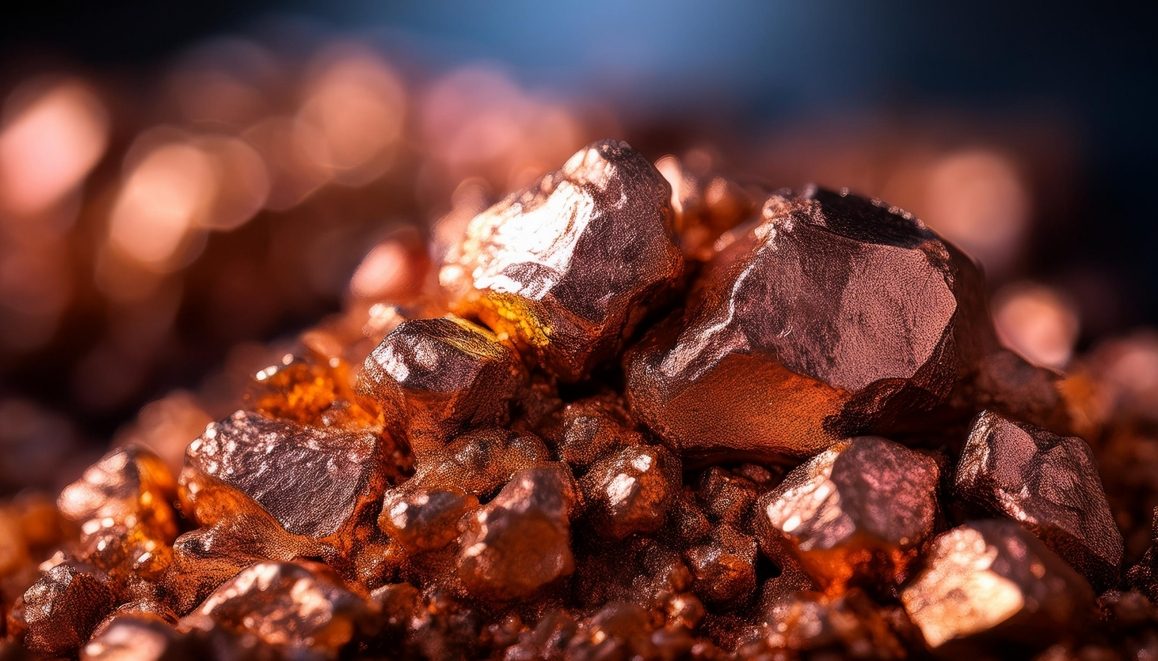
London Metal Exchange (LME) copper prices hit a record high following weeks of continuous gains. Market bets that U.S. President Donald Trump might expand the scope of copper tariffs to include refined copper imports prompted traders to accelerate shipments to the United States, further tightening short-term supply in other regions.
TradingKey - International copper prices have continued to strengthen recently. As of August 21, copper prices on the London Metal Exchange rose to as high as $14,363 mid-week, just shy of the all-time high of $14,521. Meanwhile, copper mining stocks such as Freeport-McMoRan (FCX), Southern Copper (SCCO), and BHP (BHP) also gained in tandem.
A market recap of Monday’s 0.12% S&P 500 gain, highlighting Qualcomm’s AI surge, the Organon acquisition, and Middle East tensions. It also covers the BoJ carry trade risk, Microsoft’s OpenAI unbundling, and Meta’s 1GW space-solar deal for AI data centers.
