


Better Stock to Buy Now: Micron or Nvidia?



Key Points
- Micron's stock has seen a surge in interest recently.
- Nvidia is still the company to beat in the AI realm.
Nvidia (NASDAQ: NVDA) has been the staple of artificial intelligence (AI) investing since it became mainstream in 2023. However, its stock has remained relatively dormant since August 2025. The stock is up about 5% since then, and there have been several other AI investments that have taken off in that same time frame.
One of the best stocks to bet on since Nvidia quit rising is Micron Technology (NASDAQ: MU). In the same time frame that Nvidia rose a mere 5%, Micron's stock is up nearly 300%. With returns like that, investors may be wondering if it's still worth holding on to Nvidia or if they're better off switching to Micron.

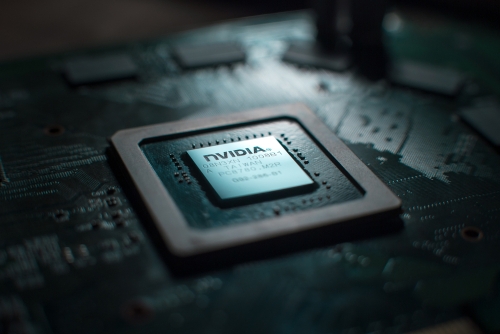
Image source: Getty Images.
Micron operates in a cyclical industry
Micron and Nvidia may both be associated with AI chips, but they're in completely separate parts of the market. Micron is a memory chip manufacturer, and its products are used in products ranging from smartphones to laptops to graphics processing units (GPUs) made by Nvidia. While there have been several bottlenecks in the AI build-out, memory has become one of the largest ones, and it will be some time before this demand issue is resolved.
Nvidia is more of a chip designer than a producer. It designs the computing units, then outsources the components and manufacturing to several different suppliers, Micron being one of them. However, because it's supplying the end product, it has significant control over how much it can charge. This is a key advantage that Micron doesn't have.
There isn't a lot that separates one memory chip manufacturer from another, so the product is relatively commoditized. As a result, the only pricing power Micron has is based on supply and demand. Right now, memory prices are soaring because demand is low, so Micron is making a ton of money, thus the stock rally.
Eventually, the memory supply imbalance will be solved, which will cause Micron's business to revert to a previous state, but that could be a few years. During that same time, it's possible that Nvidia's chips are disrupted by some of its competitors, or that AI computing demand isn't as high. While Nvidia may not be as exposed to the cyclicality of the memory market as Micron is, once the AI build-out is wrapped up, it will likely experience a cyclical pullback of its own. We've already seen this happen a couple of times in Nvidia's history, and the question is, when will the next one be?
AI build-out may last through 2030
There are several projections calling for AI spending to stay elevated through at least 2030. That's a ways away, giving Nvidia plenty of room to run. Micron expects to get another fabrication facility online in 2027, with more capacity coming online in 2028. There are several other companies in the memory space that are also expanding their production capabilities, so the supply shortage should be wrapped up in a few years.
This will allow Nvidia's demand wave to outlast Micron's, making it a better buy in my opinion. However, there's one more wrench to throw in this analysis: valuation.
At face value, Micron's stock looks far cheaper than Nvidia's.

NVDA PE Ratio (Forward) data by YCharts
At less than 12 times forward earnings, Micron's stock looks dirt cheap. However, this discount is fairly common for companies in cyclical industries, so investors shouldn't read too much into it. Nvidia's 22 times forward earnings is also rather cheap, and is nearly the same price as the S&P 500.
Overall, I think Nvidia's ability to differentiate its products from its competitors is an advantage over Micron, and Micron's moment in the sun may be about wrapped up. Meanwhile, Nvidia is slated to deliver monster growth over the next few years, and I think the recent lack of performance makes for an excellent time to buy the stock.
Recommended Articles











Comments (0)
Click the $ button, enter the symbol, and select to link a stock, ETF, or other ticker.