


Japan, South Korea Close: Kioxia Becomes Japan’s Most Valuable Company, Wall Street Tightening Leverage Weighs on South Korean Stock Gains



AI Podcast


South Korean and Japanese equities experienced sharp volatility on June 12. The KOSPI surged significantly before closing up 4.63%, and the Nikkei 225 gained 2.81%. This initial rally was driven by easing geopolitical tensions, particularly U.S.-Iran de-escalation. However, sentiment soured mid-session as major Wall Street banks reportedly tightened leverage restrictions on key stocks. Foreign capital inflows into South Korea, while notable, did not fully reverse a selling trend. The market faces continued uncertainty from Iran's official ratification of an agreement and potential follow-on actions from international institutions regarding leverage.
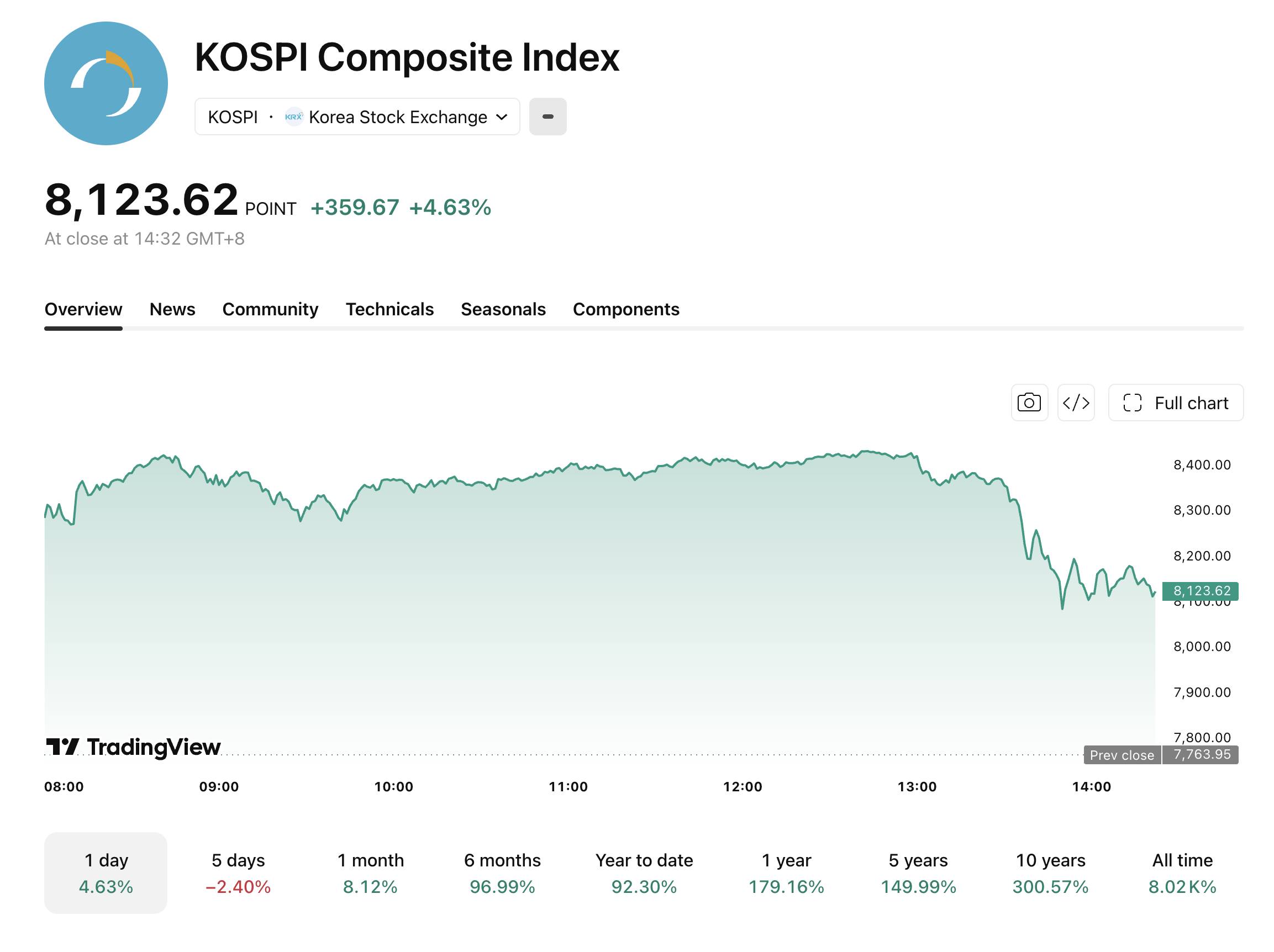
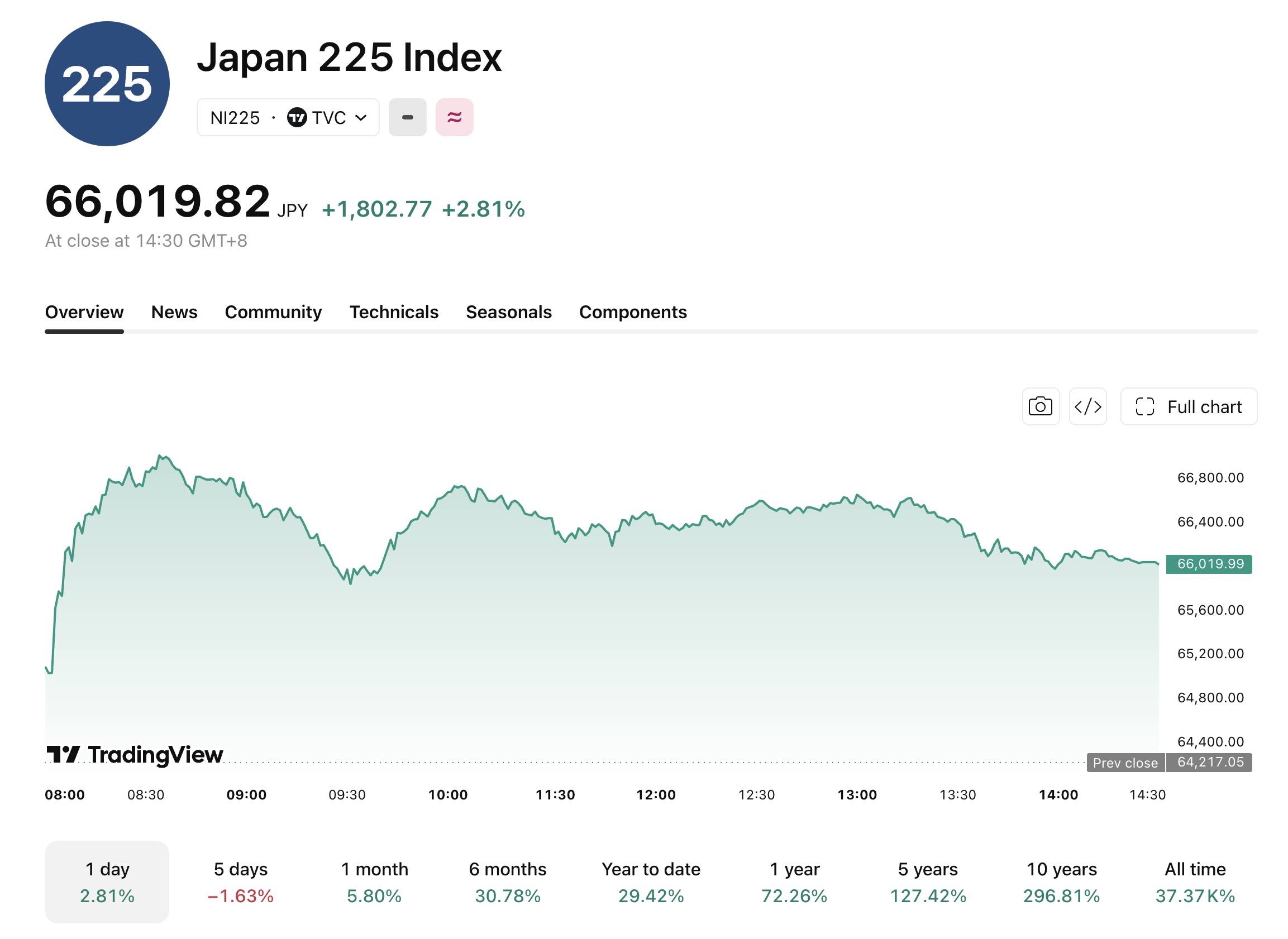
TradingKey - During the Asian session on June 12, the South Korean stock market experienced sharp volatility. The KOSPI index opened 6.4% higher in early trading, surged over 8.6% intraday, and finally closed at 8,123.62, up 4.63%. Japanese stocks followed the upward trend, with the Nikkei 225 closing at 66,019.82, a gain of 2.81%.
[Source: TradingView]
In South Korea, Samsung Electronics rose by more than 13% at its intraday peak, while SK Hynix jumped over 9% at one point. However, the rally encountered headwinds as reports emerged that several major Wall Street banks were tightening leverage bets on these two stocks and TSMC ( TSM ). South Korean stocks subsequently took a short-term dive, and by the close, the gains for Samsung Electronics and SK Hynix had narrowed to 7.86% and 2.33%, respectively.
Regarding foreign capital, net purchases reached several hundred billion won in the morning session, snapping a 24-session streak of net selling. However, the overall trend of foreign capital outflows has not yet completely reversed.
[Source: TradingView]
In Japan, the Nikkei 225 opened 1.49% higher and quickly extended its gains to over 4%, peaking above 66,800 before closing at 66,019.82; the TOPIX rose 1.35% to 3,881.96. Tokyo Electron gained 7.61%, and Kioxia rose 7.64%. Kioxia's market capitalization now exceeds 44.7 trillion yen, surpassing SoftBank and Toyota to become Japan's largest company.
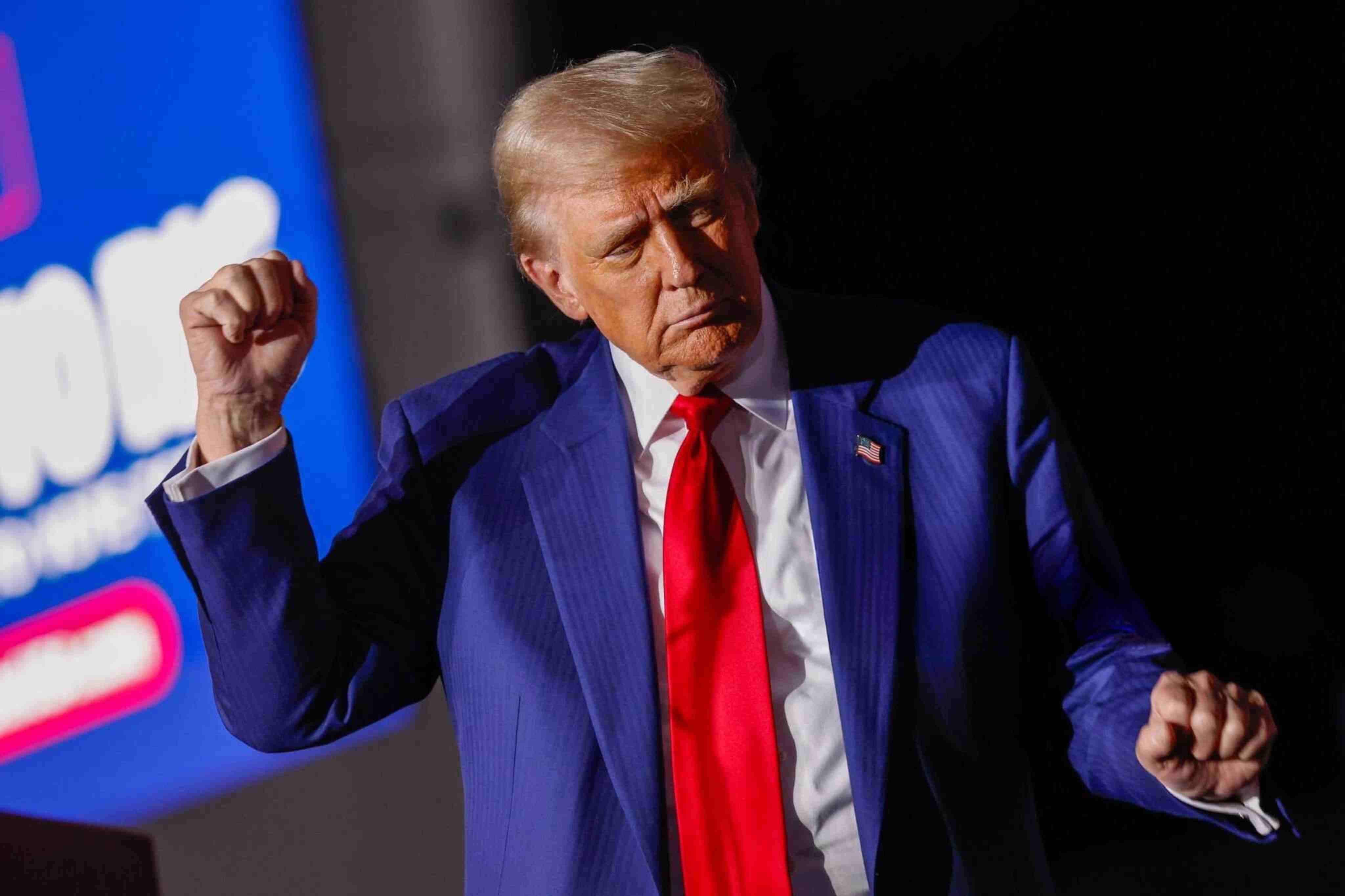
The direct catalyst for this rebound in Japanese and South Korean equities was the dramatic easing of geopolitical risks. On June 11, U.S. President Trump announced the cancellation of plans for a military strike against Iran, stating that the U.S. and Iran had reached a preliminary memorandum of understanding and could sign a truce as early as this weekend. Overnight, U.S. stocks surged, with the S&P 500 up 1.75%, the Nasdaq up 2.54%, and the Philadelphia Semiconductor Index skyrocketing 7.9%. The KRW/USD exchange rate strengthened from 1,528.9 to 1,518.0.
However, news weighing on sentiment mid-session came from Wall Street. According to media reports, Citigroup ( C ), JPMorgan Chase ( JPM ), Goldman Sachs ( GS) and other major banks raised swap financing costs and restricted transaction sizes, while Morgan Stanley rejected new swap requests, and Bank of America, BNP Paribas, and UBS followed suit with adjustments. As a result, the KOSPI's gain narrowed from 8.6% to 4.6%, highlighting the tug-of-war between institutional risk management and market sentiment.
Looking ahead, two variables require attention: Iran has not yet officially ratified the agreement text, and risk-off sentiment could return if truce negotiations hit roadblocks; additionally, after Wall Street giants took the lead in tightening leverage, whether other international institutions follow suit will dictate liquidity directions.
This content was translated using AI and reviewed for clarity. It is for informational purposes only.
Recommended Articles




Comments (0)
Click the $ button, enter the symbol, and select to link a stock, ETF, or other ticker.