


Japan and South Korea Stocks Fall at Open; US and Iran Suddenly Exchange Fire in Hormuz



AI Podcast


Asia-Pacific stocks pulled back on May 8 after reaching record highs, with Japan's Nikkei 225 and South Korea's KOSPI opening lower. South Korean semiconductor stocks, including Samsung Electronics and SK Hynix, saw significant declines. This reversal may be linked to heightened Middle East geopolitical tensions following an exchange of fire in the Strait of Hormuz. U.S. President Trump described the action as a "slight tap" and reiterated that the ceasefire remains in effect but warned of tougher measures if a deal isn't reached, casting doubt on the sustainability of the fragile truce.
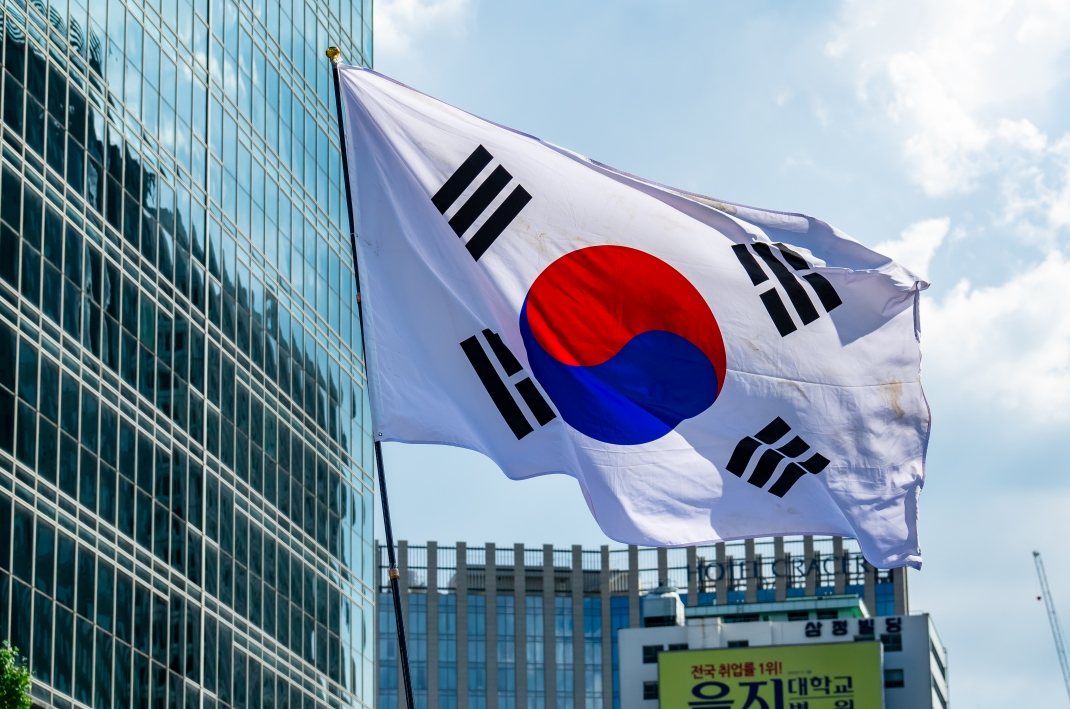
TradingKey - On May 8, Asia-Pacific stock markets saw a pullback, with the Japanese and South Korean markets opening lower collectively after hitting record highs just the day before.
The Nikkei 225 Index opened down 220.42 points, or 0.35%, at 62,613.42; the Korea Composite Stock Price Index (KOSPI) opened significantly lower by 135.7 points, or 1.81%, at 7,354.35, though it subsequently narrowed its losses.
It is worth noting that during the previous day's strong gains, the total scale of the South Korean stock market surpassed that of Canada, officially joining the ranks of the world's seventh-largest stock markets.
On the individual stock front, South Korea's semiconductor giants fell in unison, with both Samsung Electronics and SK Hynix opening down by more than 3%.
The sudden reversal in market sentiment may stem from the unexpected escalation of geopolitical tensions in the Middle East. Just as the market widely expected the U.S. and Iran to be close to reaching a ceasefire framework, the two sides exchanged fire in the Strait of Hormuz on the 7th local time, with both sides accusing the other of striking first.
Regarding the conflict, U.S. President Trump described the U.S. military's actions as a "slight tap" in a telephone interview, while repeatedly emphasizing that the ceasefire agreement between the U.S. and Iran remains in effect. He stated, "This is just a small warning, and the ceasefire status has not changed," while also pressuring Iran again, saying that if a deal is not reached soon, the U.S. will take "tougher and more intense" strike measures in the future.
Reviewing the previous process, the U.S. and Iran began a two-week temporary truce on April 8, after which Trump unilaterally announced an extension of the ceasefire. The exchange of fire in the Strait of Hormuz has caused the outside world to doubt whether this already fragile ceasefire agreement can be sustained.
This content was translated using AI and reviewed for clarity. It is for informational purposes only.
Recommended Articles







Comments (0)
Click the $ button, enter the symbol, and select to link a stock, ETF, or other ticker.