


Iran Sees Deal Breakthrough ‘Tonight’ While U.S. Strait Blockade Persists; Experts Skeptical on Quick Deal



AI Podcast


U.S.-Iran negotiations face significant trust deficits, hindering progress on issues like nuclear technology and the Strait of Hormuz. Iran emphasizes past U.S. broken agreements and recent escalations as reasons for distrust, impacting their negotiation strategy to take incremental steps. While President Trump expresses optimism for a swift deal, experts deem it overly optimistic given the irreversible nature of U.S. demands versus reversible U.S. concessions. A major agreement is unlikely in the short term. U.S. stock index futures saw a slight decline amid expectations of a prolonged U.S.-Iran stalemate.
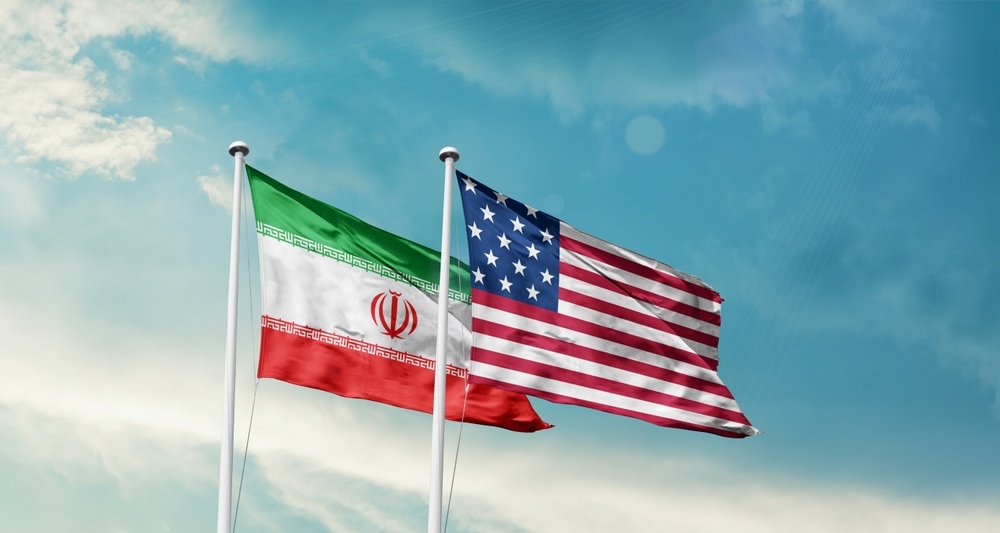
TradingKey - The latest news indicates that an Iranian diplomatic source stated that preparations for negotiations between Iran and the U.S. in Pakistan might achieve a breakthrough "tonight or tomorrow."
Meanwhile, the U.S. military stated it has boarded and inspected a tanker suspected of smuggling Iranian oil. As the maritime standoff between the two nations intensifies, the Strait of Hormuz remains effectively blockaded.
Previously, Iran officially declined on the 21st to attend the second round of negotiations scheduled for the 22nd. In response, U.S. President Trump announced that, at the request of Pakistan, he has agreed to extend the U.S.-Iran ceasefire until Iran submits its proposal and completes relevant consultations.
Analysis suggests that while the U.S. and Iran have significant differences on numerous issues such as nuclear technology and the Strait of Hormuz, the primary obstacle for both sides may be a matter of trust.
The U.S. and Iran had reached an informal agreement in 2015, which was overturned by Trump in 2018. Since then, Iran has consistently emphasized that if a subsequent president were to abolish the agreement, negotiating with the current one would be pointless. In June 2025 and February of this year, Trump even ordered attacks on Iran twice during diplomatic negotiations.
Earlier this month, after the first round of negotiations ended on a sour note, Iranian officials stated that one of the main reasons was the U.S.'s failure to earn their trust. Iranian officials reiterated this point after U.S. Vice President Vance postponed his trip for a potential second round of talks.
Currently, Iran's negotiation strategy is to take incremental steps and retain as much leverage as possible, such as maintaining partial control over its uranium stockpiles for a prolonged period.
Trump claims a deal can be reached quickly, but veteran diplomats and Iran experts consider this overly optimistic. Robert Malley, the lead Iran negotiator during the Obama and Biden administrations, believes most concessions the U.S. demands from Iran are specific and irreversible, such as surrendering highly enriched uranium or diluting it, while U.S. concessions are mostly nominal and reversible, such as lifting sanctions or unfreezing assets. This also makes the prospects for U.S.-Iran negotiations more pessimistic.
Karim Sadjadpour, a senior fellow at the Carnegie Endowment for International Peace, stated that given the depth of mutual distrust and the sensitivity of the negotiation topics, such a major agreement cannot be reached within weeks. It typically takes months, or even years.
During Thursday's U.S. pre-market trading, futures for the three major U.S. stock indices all fell slightly, influenced by expectations that the U.S.-Iran conflict will remain at a stalemate.
This content was translated using AI and reviewed for clarity. It is for informational purposes only.
Recommended Articles










Comments (0)
Click the $ button, enter the symbol, and select to link a stock, ETF, or other ticker.