


What Is Cryptocurrency? Which Coins Should You Buy Now? A Beginner’s Guide to Crypto Investing and Trading



Crypto Market Update
TradingKey – On October 30, 2025, the Federal Reserve announced another 25bps rate cut, sparking a rebound across digital assets. Bitcoin (BTC) reclaimed the $110,000 level, helping investors recover from the panic triggered by the “1011 Black Swan” crash.
That October 11 event, driven by a U.S. government shutdown and escalating U.S.-China trade tensions, wiped out over $400 billion in market value. Bitcoin plunged 17%, major altcoins dropped over 30%, and more than 1.6 million traders were liquidated, totaling nearly $20 billion — the largest mass liquidation in crypto history.
What Is Cryptocurrency?
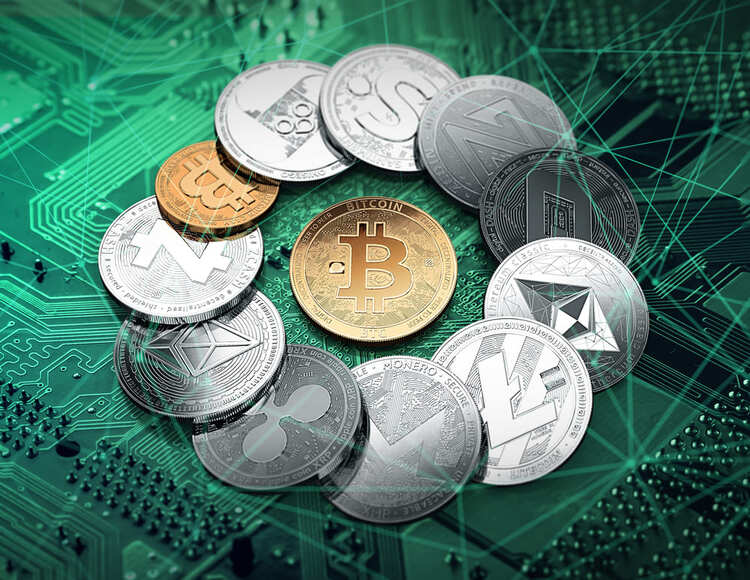
Cryptocurrency is a digital asset secured by cryptography and powered by blockchain technology. It is decentralized, meaning it operates without a central authority, and is transparent, borderless, and resistant to censorship.
The concept was introduced in 2008 by the pseudonymous Satoshi Nakamoto, who published the Bitcoin whitepaper: “Bitcoin: A Peer-to-Peer Electronic Cash System.” In 2009, the Bitcoin network went live, and the first BTC was mined — marking the birth of the crypto era.
Crypto vs. Fiat Currency
Feature | Cryptocurrency | Fiat Currency |
Issuer | Individuals or institutions | Central banks or governments |
Supply | Fixed or algorithmic | Adjustable by policy |
Storage | Digital wallets | Bank accounts, cash |
Transactions | Peer-to-peer, blockchain verified | Bank and payment systems |
Transparency | Public ledger | Private bank records |
Security | Cryptographic keys | Legal and institutional safeguards |
Volatility | High | Moderate |
Legal Status | Varies by country | Legal tender |
Accessibility | Global | Domestic, with FX limits |
Regulation | Emerging frameworks | Fully regulated |
Technology | Blockchain, smart contracts | Centralized financial infrastructure |
While some countries like El Salvador have adopted Bitcoin as legal tender, most still treat crypto as a speculative asset or digital commodity.
Types of Cryptocurrencies
As of October 30, 2025, there are 19,396 cryptocurrencies across 628 categories, with a total market cap of $3.81 trillion. These coins serve different purposes:
Category | Function | Representative Coins |
Layer 1 Coins | Base blockchain networks | |
Stablecoins | Pegged to fiat currencies | USDT, USDC, DAI, USDe |
Exchange Tokens | Utility within trading platforms | BNB, OKB, CRO, BGB |
DeFi Tokens | Governance and incentives | UNI, AAVE, COMP, CRV |
AI Tokens | Autonomous agents and micro-payments | RNDR, FET, TAO, WLD |
RWA Tokens | Tokenized real-world assets | ONDO, XAUt, XDC |
MEME Coins | Speculative, community-driven | DOGE, SHIB, PEPE, FLOKI, TRUMP |
Privacy Coins | Anonymous transactions | XMR, ZEC, DASH |
GameFi/NFT | Gaming and digital collectibles | AXS, MANA, SAND |
Which Coins Are Worth Watching?
For beginners, focus on high market cap coins like:
- Bitcoin (BTC)
- Ethereum (ETH)
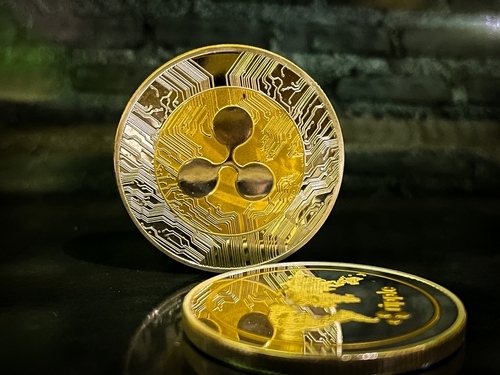
- Ripple (XRP)
- Binance Coin (BNB)
- Solana (SOL)
These coins are widely traded, supported by major exchanges, and have strong community and institutional backing.
From a regulatory catalyst perspective, coins like SOL, XRP, LTC, ADA, AVAX, and DOT are worth watching. The SEC may approve spot ETFs for these assets in 2025–2026, potentially unlocking billions in institutional inflows. Notably, SOL, XRP, and ADA are part of the U.S. strategic crypto reserve, signaling long-term policy support.
How to Earn with Crypto
Method | Description | Difficulty | Risk | Return Potential |
Airdrops | Free tokens for early users | Low | Low | High (if project succeeds) |
Content Creation | Blogs, tutorials, community building | Medium | Low | Medium |
Trading | Buy low, sell high | High | Medium | Medium–High |
Staking | Lock tokens for yield | Low | Low–Medium | 4–15% APY |
Liquidity Mining | Provide funds to DEXs | Medium | Medium–High | Medium |
DAO Governance | Vote and earn rewards | Low | Low | Low–Medium |
Node/Miner | Run infrastructure | High | Medium–High | Medium–High |
Beginner’s Guide to Crypto Trading
Step 1: Choose a Platform
- Centralized Exchanges (CEX): Binance, Coinbase (recommended for beginners)
- Decentralized Exchanges (DEX): Uniswap, PancakeSwap
Step 2: Register and Fund Your Account
- Sign up with email or phone
- Complete KYC verification
- Deposit fiat or buy stablecoins (USDT, USDC)
Step 3: Make Your First Trade
- Example: Buy BTC with USDT on Binance
- Go to BTC/USDT pair → Click “Buy BTC”
- To sell, reverse the process → “Sell BTC” → Receive USDT
- To cash out: Use C2C or P2P to convert USDT to fiat
Crypto Risks & Safety Tips
Risk Type | Description | Example |
Market Volatility | Sudden price swings | BTC drops 20% in a week |
Project Risk | Poor tokenomics, rug pulls | No roadmap or utility |
Liquidity Risk | Thin order books | Small coins on obscure exchanges |
Regulatory Risk | Policy changes | Ban on stablecoins or exchanges |
Technical Risk | Hacks, wallet theft | Smart contract exploits |
Emotional Risk | Panic buying/selling | FOMO or capitulation |
Info Asymmetry | Insider advantage | Early dumps post-hype |
Avoidance Tips:
- Read whitepapers, check GitHub activity
- Diversify and use DCA strategy
- Use cold wallets for large holdings
- Enable 2FA and avoid phishing links
- Track on-chain data (Etherscan, DeFiLlama)
- Don’t chase hype — verify sources
Final Thoughts
Cryptocurrency is a high-potential investment class that blends innovation with volatility. For newcomers, the key is to start small, use trusted platforms, and prioritize education over speculation. Whether you're trading, staking, or exploring DeFi, always use disposable income, and never invest more than you can afford to lose.
FAQ
Is crypto legal?
Yes, in regions like the U.S., Japan, and the EU. It’s restricted or banned in countries like China.
Do I need to pay taxes?
Yes. Crypto is treated as property in most jurisdictions. Capital gains tax applies to profits.
Can beginners trade crypto derivatives?
Technically yes, but it’s risky. Beginners should start with spot trading, staking, or airdrops.
How much should I invest?
Only use discretionary funds — money you can afford to lose. Start with $10–$50 to learn the ropes.
Recommended Articles







Comments (0)
Click the $ button, enter the symbol, and select to link a stock, ETF, or other ticker.