


International Oil Prices Fall Over 3% Intraday, Pakistan’s Diplomatic Contacts With US and Iran Still Ongoing.



AI Podcast


International crude oil prices fell approximately 3.0% as geopolitical risk premiums unwound on expectations of U.S.-Iran de-escalation. Brent futures reached $107.11 and WTI futures $103.57. Cooling fears of short-term supply disruptions and a reassessment of shipping risks in the Strait of Hormuz are driving this profit-taking phase. This pullback eases inflation concerns, supporting equities. However, the decline is viewed as sentiment-driven, with OPEC+ cuts and low inventories suggesting potential for swift rebounds if tensions re-escalate. Volatility is expected to persist, driven by U.S.-Iran relations, Strait of Hormuz activity, and global demand shifts.
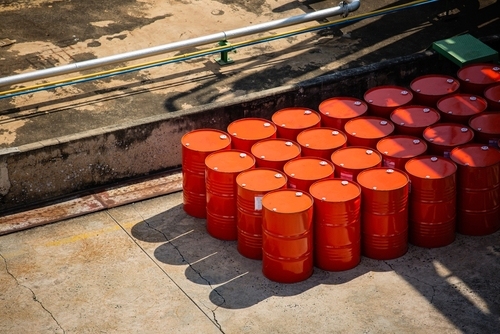
TradingKey - International crude oil prices retreated significantly during Tuesday's European trading session, with Brent crude futures' intraday decline widening to 3.0% to $107.11 per barrel, while WTI crude futures fell in tandem by 3.0% to $103.57 per barrel. The geopolitical premium that had rapidly built up due to Middle East tensions saw a notable unwind, as energy market volatility continued to escalate.
Looking at the charts, this correction was primarily driven by mounting market expectations for a de-escalation in U.S.-Iran tensions. Increased discussions regarding diplomatic communication between the U.S. and Iran and the possibility of a ceasefire have prompted some investors to begin liquidating safe-haven long positions established earlier.
Previously, Pakistani Foreign Ministry spokesperson Tahir Andrabi stated that diplomatic contacts between Pakistan, Iran, and the U.S. are ongoing, and Pakistan will continue its efforts to promote a peaceful resolution to Middle East conflicts. Short-term supply disruption fears that had bolstered oil prices cooled, shifting the crude market into a profit-taking phase.
Simultaneously, the market is reassessing shipping risks in the Strait of Hormuz. As a vital global energy transit point, any sign of easing tension in the region quickly erodes the risk premium built into oil prices. Traders generally believe that current high oil price levels may be unsustainable unless there is a substantial, long-term disruption to maritime routes.
At the macro level, the pullback in oil prices helps soothe market fears regarding a resurgence in global inflation. Expectations that major central banks might keep interest rates "higher for longer" due to surging energy costs have eased, providing support to global equities and risk assets. Some funds have rotated out of the energy sector and back into technology stocks and growth assets.
However, it is important to note that the current decline in oil prices appears to be more of a sentiment correction than a fundamental shift in supply and demand. OPEC+ production cuts remain in effect, and global inventories are generally low; should Middle East tensions escalate again or new supply disruptions occur, oil prices could see a swift rebound.
Overall, the 3% daily drop in international crude reflects a market seeking a new balance between geopolitical risk and supply-demand fundamentals. In the short term, oil prices are likely to remain highly volatile. Investors should closely monitor U.S.-Iran relations, shipping activities in the Strait of Hormuz, and shifts in global demand, as these factors will continue to drive the next phase of oil price movements.
This content was translated using AI and reviewed for clarity. It is for informational purposes only.
Recommended Articles







Comments (0)
Click the $ button, enter the symbol, and select to link a stock, ETF, or other ticker.