TRADING DAY-Respite, but for how long?

By Jamie McGeever
ORLANDO, Florida, March 4 (Reuters) - U.S. and European stock markets registered solid gains on Wednesday, on hopes that conflict in the Middle East might soon cool, while stabilization in oil and energy markets also helped lay the ground for a rebound in other beaten-down assets.
More on that below. In my column today, I look at why geopolitical crises and the risk of a dollar liquidity shock are reminders that the transition away from a dollar-centric financial universe toward a more fractured, multi-polar world could be very rocky.
If you have more time to read, here are a few articles I recommend to help you make sense of what happened in markets today.
U.S. sub sinks Iranian warship off Sri Lanka, killing 87 and expanding war zone
Trump's Hormuz shipping plan is too little, too late in race to avert energy shock: Bousso
Gold flubs its lines amid Middle East mayhem: Mike Dolan
ECB wary of Iran-war inflation spike after missing last "transitory" surge
China's factory activity shrinks, but private survey tops five-year high
Today's Key Market Moves
STOCKS: Asia hammered - especially South Korea - Europe up 1-3%, Wall Street closes in the green too.
SECTORS/SHARES: Eight S&P 500 sectors rise, led by consumer discretionaries. Energy, consumer staples, materials fall. Amazon +4%, Cisco +2.5%.
FX: Rollercoaster for emerging FX - whacked, then closed strongly. BRL, ZAR, MXN fit that mold, KRW recovers from 17-year low, INR from record low. Biggest G10 gainer is AUD. Bitcoin +8% above $73,000, a one-month high.
BONDS: Treasury yields rise again, up 5 bps at the short end to bear-flatten the curve. 2s/10s curve 54 bps, flattest close this year.
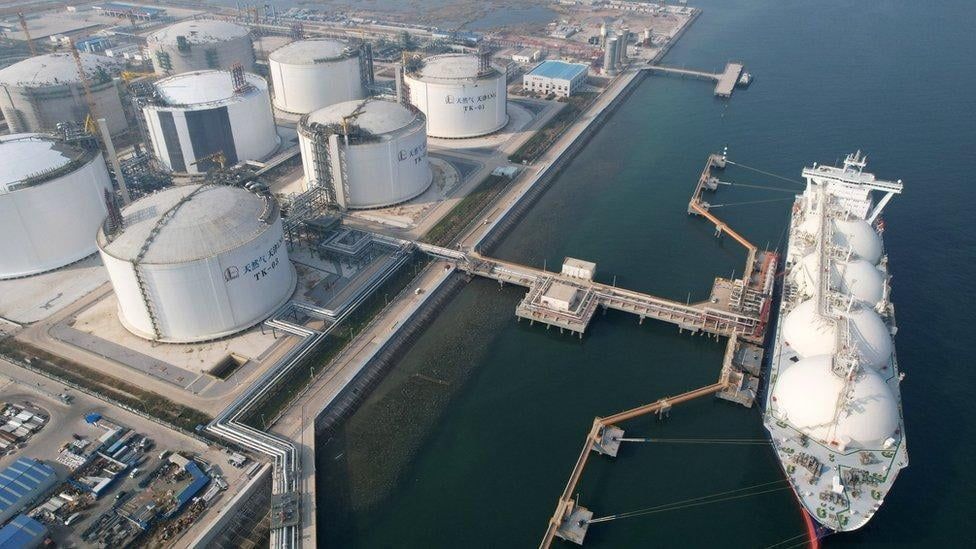
COMMODITIES/METALS: Oil steady as U.S. crude stocks rise, European LNG -10%. Gold +1%, other precious metals up as much as 3%.
Today's Talking Points
And ... breathe?
Call it profit-taking, position-squaring, tactical trading, a technical bounce, or hope that the war may end soon. Either way, some of the outsized market moves sparked by the Middle East turmoil stalled or reversed a bit on Wednesday, as investors took a figurative breather.
That meant oil, the dollar and volatility all fell, while Wall Street, European stocks, emerging FX and silver rebounded strongly. Not only did Asia miss out, stocks there got slammed on Wednesday. Catch-up Thursday, perhaps?
Underlying economic strength
Health warning - purchasing managers' index surveys for February pre-date the Middle East crisis. Still, figures on Wednesday showed that business activity around the world was humming along at a surprisingly solid clip last month.
Service sector PMIs show that U.S. activity surged to more than a 3-1/2-year high in February, Chinese activity was the strongest in three years, and European growth picked up pace too. This follows fairly upbeat manufacturing PMIs too.
Warsh nomination goes to the Senate
The ball to make Kevin Warsh the new Chair of the U.S. Federal Reserve is officially rolling, after President Donald Trump on Wednesday submitted his nomination of the former Fed governor to the Senate.
The confirmation process won't be plain-sailing. Some Senators object to the administration's investigations into current chair Jerome Powell and Governor Lisa Cook, and others say Warsh will be merely a puppet for Trump, further eroding the central bank's independence.
What could move markets tomorrow?
Developments in the Middle East
Australia trade (January)
Taiwan industrial production (January)
UK PMI (February)
European Central Bank President Christine Lagarde speaks
ECB's Luis de Guindos, Olli Rehn, and Sharon Donnery speak at IIF event in Brussels
Euro zone retail sales (January)
Brazil unemployment (February)
U.S. weekly jobless claims
U.S. Challenger layoffs (February)
U.S. productivity (Q4, prelim)
U.S. import prices (January)
U.S. Federal Reserve Vice Chair for Supervision Michelle Bowman speaks
Want to receive Trading Day in your inbox every weekday morning? Sign up for my newsletter here.
Opinions expressed are those of the author. They do not reflect the views of Reuters News, which, under the Trust Principles, is committed to integrity, independence, and freedom from bias.
US yield curve flattest this year