US STOCKS-Wall St set for higher open on report of Iran's secret outreach to U.S.

By Johann M Cherian and Ragini Mathur
March 4 (Reuters) - Wall Street's main indexes were set for a higher open on Wednesday as investors weighed a report that Iranian operatives secretively reached out to the U.S. to pursue talks to end the conflict, while President Donald Trump's efforts to stabilize oil markets also boosted sentiment.
A New York Times report said Iranian intelligence operatives indirectly reached out to the CIA a day after the attacks, but U.S. officials remain skeptical that either the Trump administration or Iran is prepared for a near-term de-escalation.
Travel stocks that are sensitive to oil prices were trading higher, having borne the brunt of losses earlier this week. Delta Airlines rose 1.6% in premarket trading, while Carnival CCL.N and Norwegian Cruise NCLH.N added about 1% each.
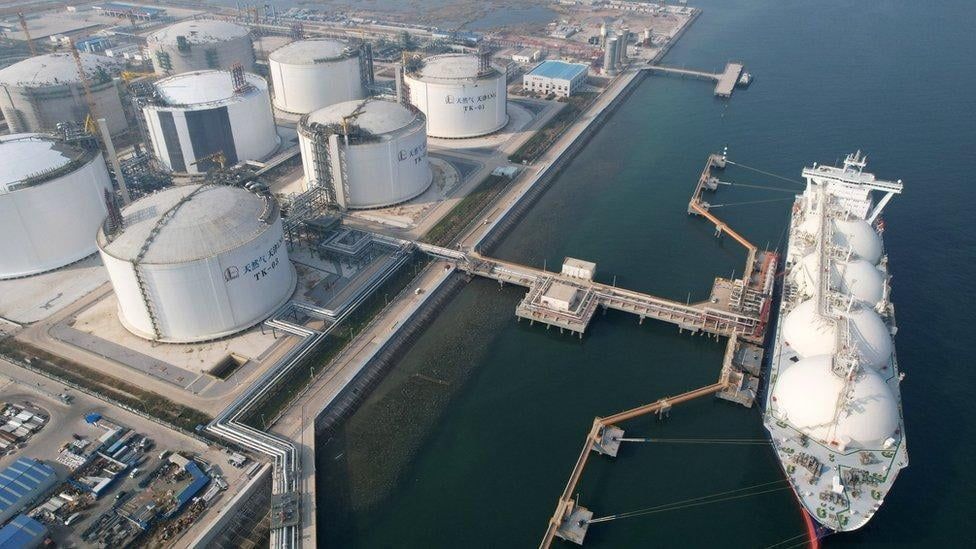
Oil and gas producers such as Occidental OXY.N and Cheniere Energy LNG.N lost more than 2% and 1%, respectively, tracking lower crude and natural gas prices.
"It's the kind of headline that everyone wants to see, because the idea that this would drag on for four or five weeks, at least in the U.S. estimation is not conducive to markets," said Chris Beauchamp, chief market analyst at IG.
"But you've got to be very cautious about believing it."
Tehran's threat to attack vessels navigating the strategic Strait of Hormuz pushed up shipping costs and worries are that crude prices could eventually touch a $100 a barrel.
Several Middle Eastern countries have also temporarily halted oil and gas production and the U.S. was looking to expand its campaign inland inside Iran.
However, President Trump's announcements of a U.S. Naval escort for oil tankers through the Strait of Hormuz and political risk insurance brought some relief.
New York Fed President John Williams also said on Tuesday the U.S. economy has proved to be resilient to energy price shocks. The U.S. oil-prices benchmark CLc1 was last at $73, having gained 11.6% this week.
At 08:33 a.m. ET, Dow E-minis YMcv1 were up 147 points, or 0.30%, S&P 500 E-minis EScv1 were up 25 points, or 0.37%, and Nasdaq 100 E-minis NQcv1 were up 138.75 points, or 0.56%.
The CBOE volatility index, also known as Wall Street's fear gauge .VIX dropped 0.97 points to 22.6, while futures tracking the rate-sensitive Russell 2000 index RTYcv1 gained 0.7%.
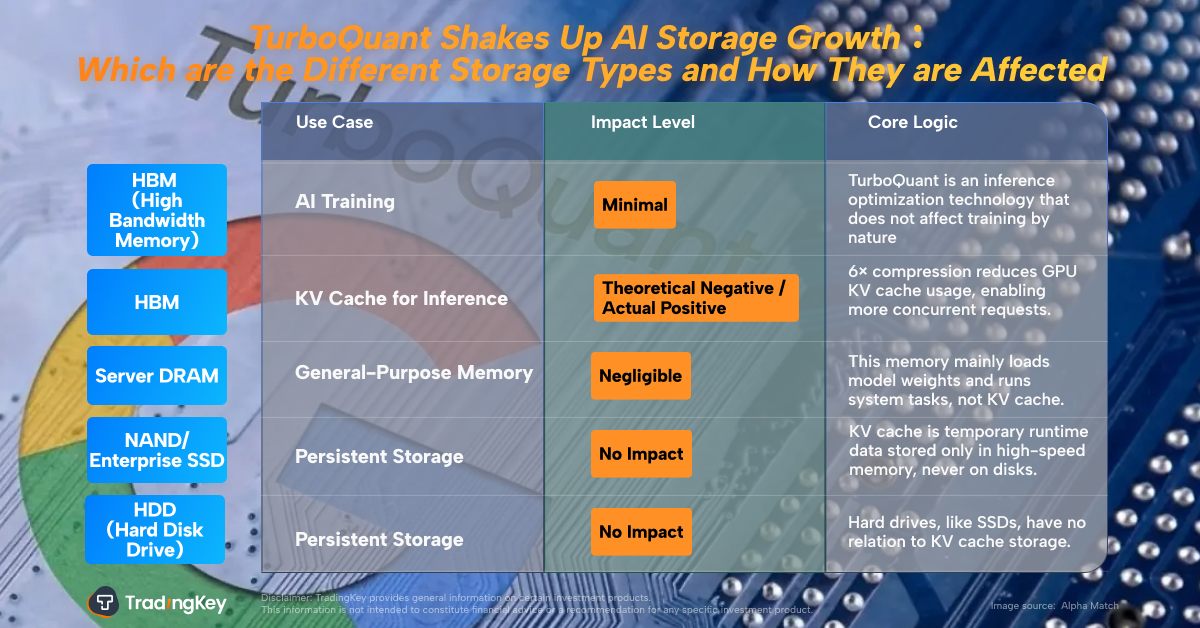
Investors also scooped up technology stocks that sold off heavily in February. Nvidia NVDA.O added 1.1% and other chip stocks such as Sandisk SNDK.O and Applied Digital APLD.O were up 3.6% and 4.3%, respectively.
Policymakers have acknowledged that the conflict will complicate the Federal Reserve's monetary policy outlook and Goldman Sachs GS.N CEO David Solomon said markets may take a while to fully digest the repercussions.
Investors have pushed back expectations for a 25-basis-point interest rate cut to September from July, pricing in potential energy costs and U.S. tariffs fueling inflation.
Traditional safe-havens such as precious metals gained, lifting miners such as Endeavour Silver EXK.N up 3.7% and Gold Fields GFI.N up 2.1%.
Crypto stocks such as Strategy MSTR.O and Coinbase COIN.O added about 6.8% each, tracking a 4.8% jump in bitcoin BTC=.
Drugmaker Moderna MRNA.O added 9% after agreeing to pay up to $2.25 billion to settle a long-running legal fight over a COVID-19 vaccine patent.
Meanwhile, a private survey showed private payrolls increased more than expected in February, though data for the prior month was revised sharply lower.
The Fed's Beige Book, a district-by-district snapshot of economic conditions, is due later in the day, alongside the Institute for Supply Management business activity report for February.