BREAKINGVIEWS-Beijing has a $1 trln case for a stronger yuan

By Ka Sing Chan
HONG KONG, Dec 10 (Reuters Breakingviews) - Few would have predicted this at the beginning of 2025: China posted a record $1 trillion trade surplus for the first 11 months of the year despite a tariff war with the U.S. for most of that period. But the rush of Chinese exports to non-U.S. partners is creating a growing backlash, which on Tuesday prompted Premier Li Qiang to urge countries to reject rising protectionism. A more effective solution would be to let the yuan appreciate.
Boosting domestic consumption is, yet again, at the top of Beijing’s economic agenda for the coming year. A stronger currency can help as well.
This time last year, economists were expecting Donald Trump’s second U.S. presidency to wreak havoc on Chinese growth, and the consensus was a soft yuan, as President Xi Jinping and the People’s Bank of China would take on substantial easing to support the $20 trillion economy. Neither of those things happened.
Yes, Trump waged an ugly trade war, but it only pushed the flood of Chinese exports elsewhere. The People's Republic notched a record $992 billion trade surplus in 2024, but that had already crossed into 13 digits by the end of last month. Trade with the United States has fallen 16.9% while that with Southeast Asia has risen 8.5%.
And it's not just consumer goods. China's manufacturers are also adding tech products to their trade dominance. Exports of integrated‑circuit products, including lower-grade chips, rose 25.6% on the year during the January-November period and contributed to more than 5% of total Chinese exports.
Whether China’s share of global exports can rise to 16.5% from 15%, as Morgan Stanley analysts forecast, will depend on the country retaining access to global markets. The outlook there is mixed. Mexico’s lawmakers will vote this week on a plan to raise tariffs on Chinese goods. French President Emmanuel Macron warned of "unbearable imbalance" during his visit to Beijing last week.
A stronger currency, as Japan and South Korea’s experience since the 1980s shows, can help Beijing meet its consumption goals by making imports such as food and energy more affordable. China abandoned its dollar peg in 2005, and between 2010 and 2019 household consumption rose from 35% of GDP to nearly 40%. An appreciating yuan would hurt exporters, but they could face more pain if more countries up tariffs on Chinese goods.
Contrary to the market consensus in late 2024, investment houses generally expect the yuan to strengthen in the coming year. Those predictions look spot on. The question is how quickly and how far it will move.
CONTEXT NEWS
China’s trade surplus in goods reached $1.076 trillion for the January-November period in U.S. dollar terms, according to data published by the country's General Administration of Customs on December 8. The country’s trade surplus in goods for the full year in 2024 was just shy of $1 trillion.
The yuan weakened from 7.35 against the U.S. dollar in early April, when China and the United States were threatening tariffs of more than 100% on each other’s imports, to 7.071 as of December 9, per LSEG.
The yuan has rebounded strongly against the dollar 
Related Articles
National Debt Bomb Ignited? Musk Warns U.S. Will Be 1000% Bankrupt Without AI
TradingKey - Tesla (TSLA) CEO Elon Musk recently issued another warning regarding the rapidly ballooning U.S. national debt. He stated clearly that without artificial intelligence and robotics, the United States will inevitably head toward fiscal bankruptcy.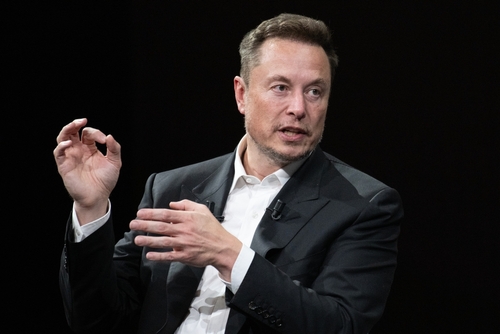
Tesla Stock Outlook: Competing With Rivian, Robotaxi Potential, and 2026 Prospects
There is much conversation about the prospect of investing in Tesla (TSLA) as we move closer to 2026. The volatility of its share price in 2025 is leading many investors to consider if they should purchase shares of Tesla given the alternatives available in terms of electric vehicles (Rivian, etc.).
A Crash After a Surge: Why Silver Lost 40% in a Week?
TradingKey - Spot silver (XAGUSD) prices continue to decline. Silver plunged 20% on Thursday, breaking below $71 per ounce, with the sell-off intensifying on Friday as prices fell further below $64. Compared to the all-time high set on January 29, silver prices have retraced more than 40%, wiping out nearly all gains accumulated over the previous month.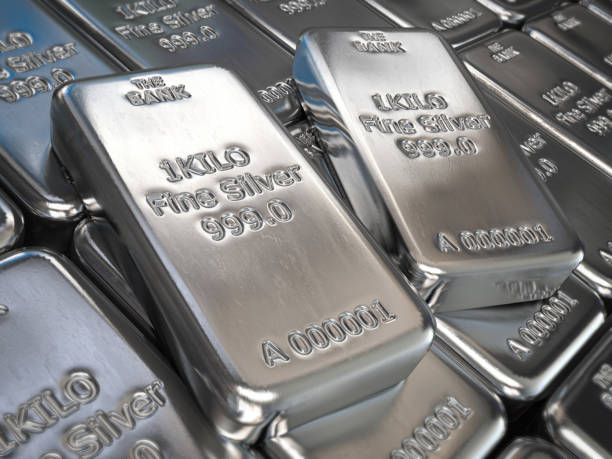
Is Bitcoin’s Four-Year Cycle Dead in 2026?
Is the Bitcoin 4-year cycle dead? After 2025 broke historical records with a red post-halving year, institutional analysts explore if the Bitcoin price has decoupled from the halving countdown. Analyze the impact of spot ETFs, global liquidity, and the roadmap to the 2028 halving in this 2026 market