OpenAI blocked from using 'Cameo' name amid trademark lawsuit

By Blake Brittain
Feb 17 (Reuters) - A federal judge in California has blocked OpenAI from using the name "Cameo" in connection with its video generation app Sora, handing celebrity video platform Cameo a preliminary win in a trademark lawsuit against the artificial intelligence giant.
U.S. District Judge Eumi Lee said in a ruling on Saturday that OpenAI's Cameo feature, which allows users to create and share their virtual likenesses on Sora, was likely to confuse consumers.
Lee granted Cameo a preliminary injunction that blocks OpenAI from using the name, finding that the company's lawsuit was likely to succeed. The judge had awarded Cameo a shorter-term restraining order against OpenAI in November.
Spokespeople for OpenAI did not immediately respond to a request for comment on Tuesday. Cameo CEO Steven Galanis said in a statement that the ruling is "a critical victory not just for our company, but for the integrity of our marketplace and the thousands of creators who trust the Cameo name."
OpenAI and other AI companies have faced a barrage of intellectual property claims, chiefly in the form of copyright lawsuits from authors, news outlets and others accusing them of misusing their content to train AI systems. OpenAI also drew criticism when it used a voice resembling "Her" actress Scarlett Johansson in ads and allowed users to render images in the style of famed Japanese animation outfit Studio Ghibli without permission.
Digital library app maker OverDrive separately sued OpenAI in Ohio in November for allegedly violating its trademark rights in the "Sora" name. OpenAI has denied the allegations.
Cameo, founded in 2017, allows users to hire celebrities to appear in short, personalized videos. OpenAI's Sora, which launched as a standalone app in September, lets users create and share AI-generated videos.
Cameo said OpenAI chose the name "Cameo" for its Sora user avatars "in blatant disregard for the obvious confusion it would create." Cameo also said that Sora allows users to create short videos with celebrity "Cameos" including entrepreneur Mark Cuban and boxer and influencer Jake Paul, putting it in direct competition with Cameo's platform.
Lee agreed with Cameo that OpenAI's use of its name would likely create market confusion and cause Cameo irreparable harm without an injunction.
The case is Cameo v. OpenAI Inc, U.S. District Court for the Northern District of California, No. 5:25-cv-09268.
For Cameo: Jordan Raphael and Timothy Byron of Byron Raphael
For OpenAI: Sara Pollock and Margret Caruso of Quinn Emanuel Urquhart & Sullivan
Read more:
OpenAI sued for trademark infringement over Sora's 'Cameo' feature
Related Articles
The Magnificent Seven: What They Are, How They Performed in 2025, and Which Will Be the Best in 2026?
TradingKey - The Magnificent Seven refers to the seven best tech stocks in 2023. These are Apple (AAPL), Microsoft (MSFT), Alphabet (GOOG) (GOOGL), Amazon (AMZN), Nvidia (NVDA), Meta Platforms (META), and Tesla (TSLA). These technology titans are developing products related to Artificial Intelligenc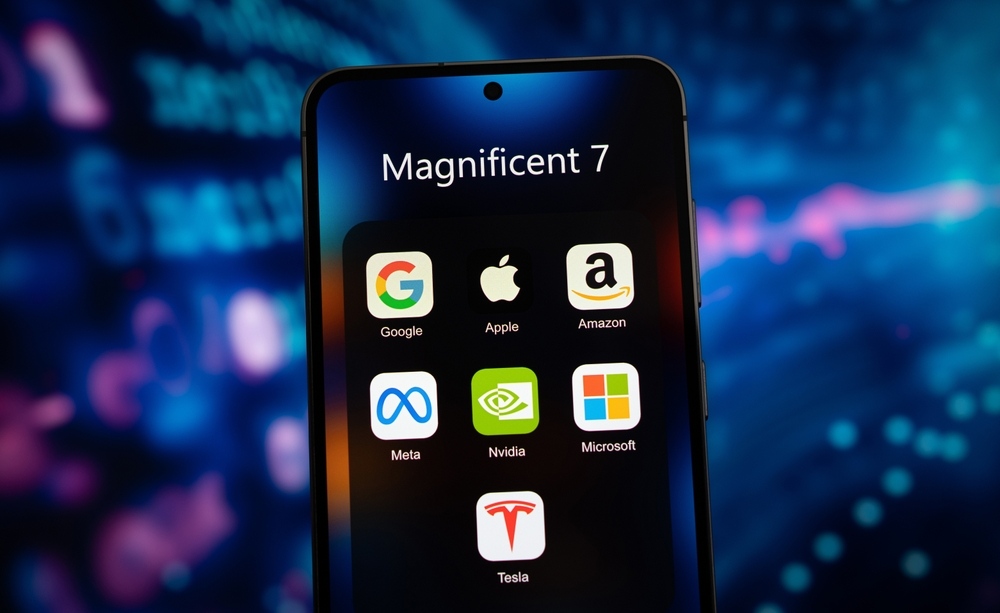
Bitcoin Price Prediction 2029-2035: Institutional Accumulation and the U.S. Treasury’s Strategic Reserve Pivot
Explore the 2026 Bitcoin landscape: From the U.S. Strategic Reserve and Michael Saylor’s $75B war chest to Cathie Wood’s 2030 forecast. Is BTC the new Digital Gold?
This $1 Trillion AI Stock Is Getting Ready for 2026: Is Meta a Good Buy?
When ads and commerce are factored in, Meta is building a long-term platform—in Augmented Reality and smart glasses — to get us closer to the future of AI. This device hardware business is less profitable than ads right now, but it could grow the company’s ecosystem and open up new ways for it to ma
Is SaaS Dead? The Truth Behind the Software Meltdown, the Missing Floor, and the Peak That’s Not Coming Back
TradingKey - A trillion dollars just vanished from software stocks—this piece breaks down who AI is really killing, who quietly benefits, and why cheap SaaS may be the biggest value trap of this cycle.