Bad Bunny's show offers cultural lifeline to a besieged Hispanic community

By Brad Brooks
AURORA, Colorado, Feb 12 (Reuters) - Puerto Rican superstar Bad Bunny's Super Bowl halftime show, which celebrated Latino culture in Spanish, offered an uplifting moment of cultural pride for many Hispanic residents in Aurora, Colorado, where daily life has been reshaped by fears of immigration raids and deportations.
The diverse Denver suburb has been in the crosshairs of U.S. President Donald Trump. On the campaign trail and since returning to office, Trump has claimed the city has been taken over by Venezuelan gang members, an assertion local citizens and leaders dispute.
Immigration raids have increased in the city of 403,000 people, where Latinos comprise more than 31% of the population. Many Latinos living there, regardless of their immigration status, say they feel besieged, stigmatized and attacked.
In what feels like a dark time, a dozen Latino residents of Aurora said in interviews that Bad Bunny's performance - which Trump labeled "an affront to the Greatness of America" - felt less like simple entertainment and more like a cultural lifeline of recognition, a brief moment of visibility and pride.
"The fear factor within the Hispanic community is definitely there - people with papers, people without papers. Many people are scared to come out of their houses, the morale of the community is super low," said William Herrera, a manager at Panaderia el Paisa, a popular bakery that is a neighborhood hub.
"That's why Bad Bunny's show was so beautiful. For him to represent Hispanics on the biggest stage in America at a time when all the racists are trying to push us down, for him to deliver the message that love is stronger than hate, it filled me with pride," said Herrera. "He gave courage to the entire community."
HIGHLIGHTING JOY
Residents say fear in the Hispanic community is keeping people indoors. Some streets feel emptier, big birthday parties are less common and crowded backyard asada barbecues are now rare.
Across the U.S., worries about immigration raids dominate daily conversations and force Hispanics to be cautious about where they go, speaking Spanish and being visible in their own neighborhoods.
At Mary Zuloaga's beauty salon in Aurora, a TV tuned to Spanish-language network Univision was showing clips of Bad Bunny's show on Tuesday as she reflected on its significance.
Born in Colombia, Zuloaga, who has been in the U.S. since the early 1980s, said the Latino community had lived through similar moments of anxiety, notably under former President Ronald Reagan, and she saw how those fears negatively shaped collective behavior and identity.
She said the climate under Trump is worse than the 1980s, and she fears her language or appearance could trigger her arrest and detention despite being an American citizen.
For Zuloaga, Bad Bunny performing entirely in Spanish was crucial, despite criticisms that doing so alienated English-only speakers.
"He showed that the government can terrorize our community, but they cannot take away our language," Zuloaga said. "If we let them do that, then we have lost our identity."
At the nearby Ollin Cafetzin coffee house, where a 1,000-book library on ethnic studies is open to all, trainings occur for people who wish to observe immigration raids. The owners also work closely with immigrant and workers' rights non-profits to support undocumented people.
Coffee house co-owner Cynthia Moreno-Romero welcomed what she saw as resistance in Bad Bunny's art.
Moreno-Romero said his performance paralleled the educational and social events she organizes in her coffee shop.
"It is important for us at this time when fear seems like the only thing we can hold on to, to really channel that fear into imagination and organizing," Moreno-Romero said. "It's important that we highlight joy in these moments."
Related Articles
This $1 Trillion AI Stock Is Getting Ready for 2026: Is Meta a Good Buy?
When ads and commerce are factored in, Meta is building a long-term platform—in Augmented Reality and smart glasses — to get us closer to the future of AI. This device hardware business is less profitable than ads right now, but it could grow the company’s ecosystem and open up new ways for it to ma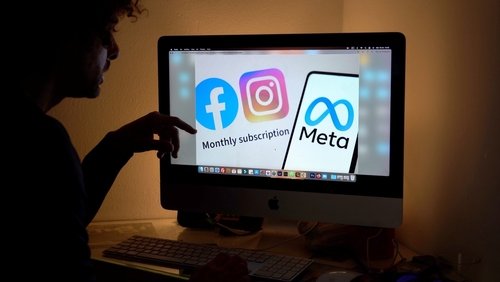
Best AI Tools for Stock Analysis in 2026 to Boost Your Investment Portfolio
As Artificial Intelligence (AI) continues to enhance everyday decision-making, these tools will allow us to leverage artificial intelligence to analyse stocks and optimise our investment portfolio.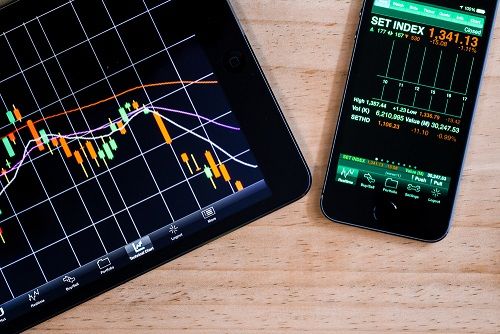
Strategy Defies DAT Sell-Off, Doubles Down Amid Leverage Woes
MicroStrategy acquired over 1,000 additional Bitcoins last week, with Michael Saylor stating the company will purchase Bitcoin every quarter moving forward.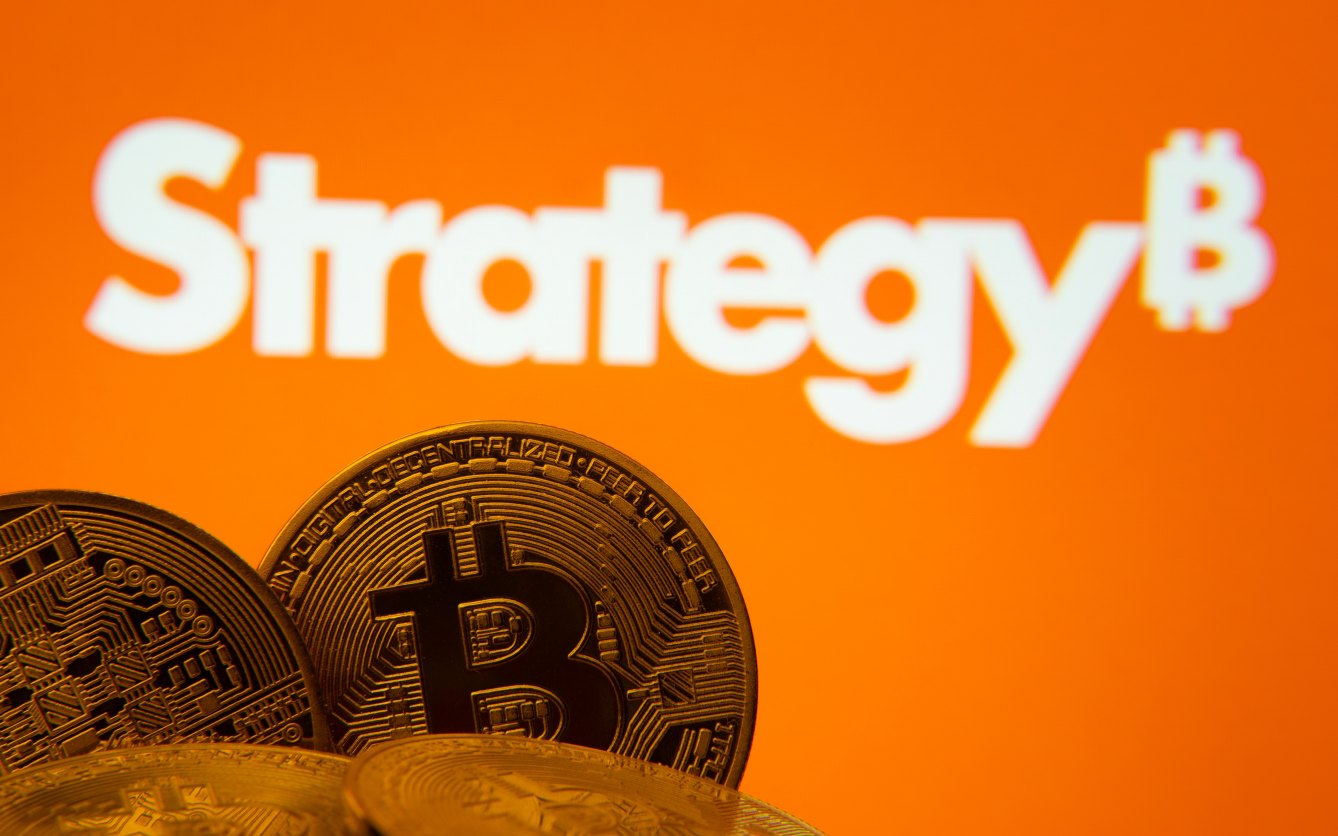
Silver Faces Sixth Consecutive Year of Supply Deficit, How Much Upside Is Left in 2026?
TradingKey - According to the 2026 Silver Market Outlook recently released by the Silver Institute, the current robust performance of the silver market remains supported by solid fundamentals. The report indicates that the global silver market is expected to face a structural supply-demand imbalance