RPT-ROI-Mideast crisis highlights risk of dollar liquidity shock: McGeever

By Jamie McGeever
ORLANDO, Florida, March 4 (Reuters) - Investors have piled into dollars this week amid the turmoil in the Middle East, a reminder that the ongoing transition away from a dollar-centric financial universe toward a more fractured, multi-polar world could be very rocky.
The war now spreading across the region following the joint U.S.-Israeli assault on Iran on Saturday is lifting the dollar's value, as investors seek the relative safety of the world's most liquid asset.
Equity indices that were major outperformers in the first two months of the year are tanking: South Korea's KOSPI .KS11 – which soared 50% through February – has lost nearly 20% in two days. Redemptions from private credit funds are soaring, the dollar spiked as much as 2% in two days, and Treasury yields are shooting higher too.
Matt King, founder of Satori Insights, says this dollar surge isn't the result of a sudden rethink in the growth or inflation outlook. The issue is simply "money flow" - a rapid unwinding of the speculative froth that boosted many markets in recent months as investors now scramble for liquidity.
Despite all the fears about dollar debasement, investors in a foxhole still want - and need - dollars.
WILL DOLLAR DEMISE REMAIN 'GLACIAL'?
This raises the wider question of what will happen in future crises if the long-term erosion of dollar dominance persists.
The dollar's .DXY decline as the undisputed leader in global trade, financing, and FX reserves has been underway for the best part of a quarter century, since the advent of the euro in 1999 and China's accession to the World Trade Organization in 2001.
The U.S. currency's share of global FX reserves has fallen to 57% today from over 70% in the early 2000s, according to the International Monetary Fund.
But because the erosion has been smooth and gradual, dollar liquidity has continued to increase, and the global financial system has built buffers against liquidity squeezes after overcoming the historic shocks of 2008 and 2020.
However, the U.S. alliances, rules-based order, and forces of globalization that once ensured dollar liquidity greased the wheels of the world economy and markets, are crumbling. Major trade, political and military conflicts have erupted in the past year, turning the global investment landscape into extremely hazardous terrain.
This is the backdrop against which Barry Eichengreen, University of California, Berkeley professor and renowned expert on international capital flows and currencies, publishes his new book "Money Beyond Borders: Global Currencies from Croesus to Crypto" on March 17.
Eichengreen traces the 2,500-year history of money, explains why systemically important currencies rise to prominence and then fade away, and offers his assessment of what the future role of the dollar and cryptocurrencies will be.
While he argues that there is still no rival to the dollar as the preeminent currency in FX reserves and international trade, financing, and invoicing, he fears that its decline on these fronts, which has so far been "glacial", could accelerate.
"I'm much more worried than I was in the past," Eichengreen says. "There isn't an obvious alternative to the greenback, and we have to continue to hope that the coming transition will be very gradual and smooth. But I think we're learning that we don't live in a world where things occur smoothly anymore."
'A VERY DELICATE POINT IN TIME'
The past few days have been anything but smooth, and they highlight how much the world still needs dollars.
The U.S. dollar is on one side of 89% of all FX transactions, according to the Bank for International Settlements. That's the highest in 25 years. The next most traded currency is the euro, which is on one side of 29% of all FX transactions.
Additionally, the dollar's share of international payments is about 50%. If you include intra‑euro zone payments in the calculation, that share rises to around 60%, according to a Federal Reserve study. Some 55% of international and foreign currency bank claims, and 60% of liabilities are denominated in dollars.
Looking at oil, it is estimated that as much as 20% of the world's crude trade is now priced in currencies other than the dollar, such as the euro or Chinese yuan. Of course, that means around 80% is still denominated in dollars.
Eichengreen says he has long believed that a multi-polar global monetary and financial system would be good for the world, just as a more diverse ecosystem is good for the planet.
"But we're not yet at a point where other sources of global liquidity could step up and substitute for the dollar. So we are at a very delicate point in time," Eichengreen says.
At a time when trade wars and real wars are flaring up, that seems something of an understatement.
(The opinions expressed here are those of Jamie McGeever, a columnist for Reuters)
Enjoying this column? Check out Reuters Open Interest (ROI), your essential new source for global financial commentary. Follow ROI on LinkedIn, and X.
And listen to the Morning Bid daily podcast on Apple, Spotify, or the Reuters app. Subscribe to hear Reuters journalists discuss the biggest news in markets and finance seven days a week.
Share of currency use in international finance - JP Morgan
Composition of global FX reserves - IMF
Dollar dominance in global transactions - Atlantic Council
Related Articles
Short Squeeze! 130,000 Liquidated as Cryptocurrencies Surge Across the Board; BTC Breaks Key Resistance
Bullish sentiment in the crypto market has rebounded as Bitcoin strongly broke through $72,000, with potential for further gains.
Is GE Vernova an Energy Stock You Should Buy in 2026?
TradingKey - GE Vernova (GEV), the global energy infrastructure company, was spun off from General Electric (GE) in 2024. It develops, produces, and services equipment for the generation and transmission of electricity, including gas and steam turbines, wind turbines, as well as grid infrastructure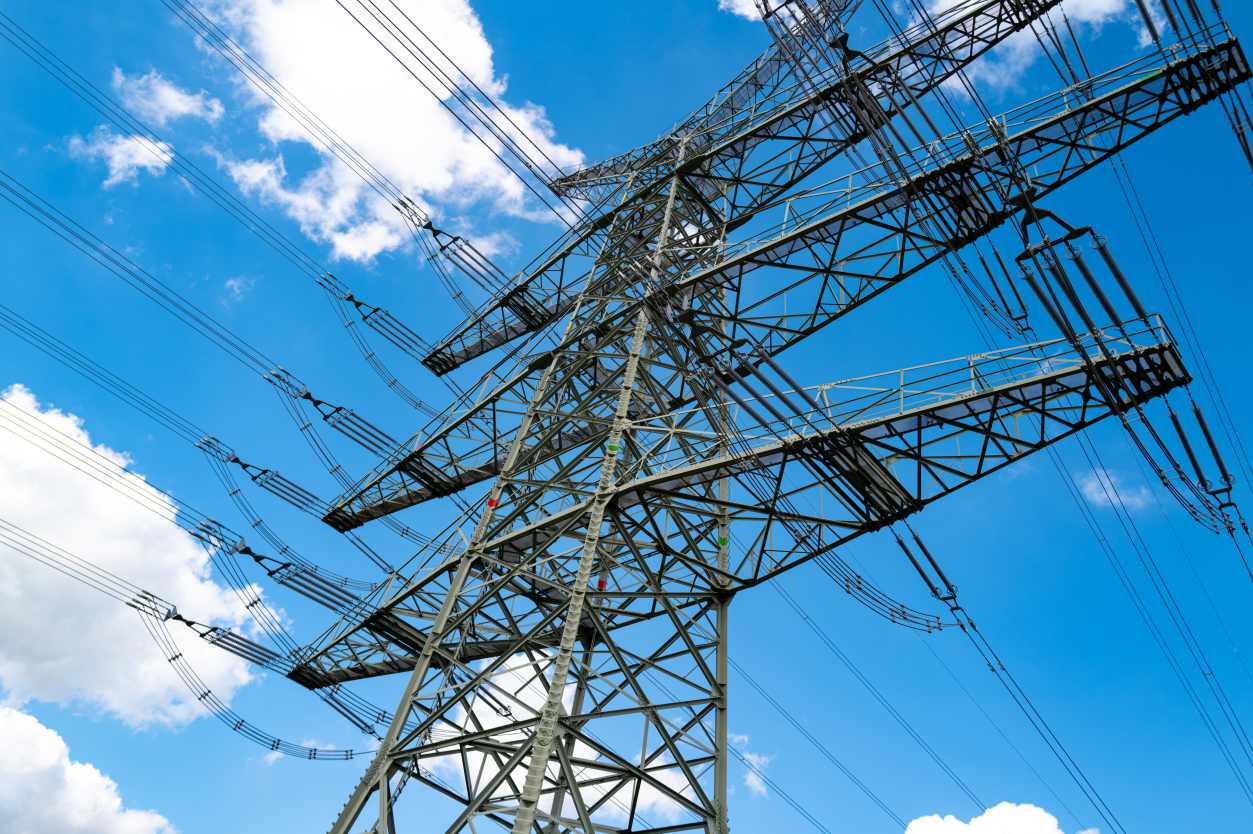
Middle East Conflict Escalates, Global Stocks and Bonds Fall, Was It Really Caused by One Sentence From Trump?
TradingKey - On Tuesday local time, the escalation of conflict in the Middle East triggered intense global market volatility. Gold (XAUUSD), bonds, and stocks fell in tandem, an unconventional movement that shattered the conventional logic of "buying safe havens during turmoil and trading stocks during stability."