Drone hit on Russian plant to trim oil exports from Kazakhstan's Karachaganak, traders say

MOSCOW, Oct 24 (Reuters) - Kazakhstan's Karachaganak oilfield where oil majors Chevron CVX.N and Shell SHEL.L operate will be forced to trim November exports due to a Ukrainian drone strike in Russia, sources told Reuters.
An October 19 drone attack on Russia's Orenburg gas processing plant forced it to halt gas imports from Karachaganak.
The field produces both crude oil and gas condensate and delivers crude to the Black Sea via the Caspian Pipeline Consortium (CPC) pipeline.
"The October CPC schedule will remain intact, but November will be trimmed," one trader said.
Karachaganak is set to reduce oil production by 85,000–87,000 metric tons (20,000–22,000 barrels per day) by the end of October, four industry sources told Reuters.
The drone strike forced the field's operators to reduce its normal output of 35,000–35,500 tons per day by 25–30%, according to two sources familiar with the data.
Ukraine has targeted Russian infrastructure used by oil producers in Kazakhstan before, including the CPC and Transneft pipelines, but those attacks did not affect Kazakh export volumes.
Kazakhstan sends 80% of its oil via the CPC pipeline to a terminal in Yuzhnaya Ozereevka on Russia’s Black Sea coast.
Karachaganak's average daily output stood at 31,470 tons (250,500 barrels per day) as of October 23 following a drop of 6,000–8,000 tons on October 19, according to the two sources.
On October 22 it resumed gas deliveries to one of three production lines at Orenburg. A second is expected to restart by month-end, while the status of the third remains uncertain.
Restarting deliveries to the other two lines hinges on repairing damage to the plant’s gas fractionation unit (which separates mixed hydrocarbon gases), sources said.
Karachaganak supplies gas to Orenburg under a long-term purchase agreement between Karachaganak Petroleum Operating (KPO) and KazRosGas which runs until 2038.
In addition to Chevron and Shell, Karachaganak's operators include Italy's Eni, Russia's Lukoil, and local firm KazMunayGas.
Related Articles
National Debt Bomb Ignited? Musk Warns U.S. Will Be 1000% Bankrupt Without AI
TradingKey - Tesla (TSLA) CEO Elon Musk recently issued another warning regarding the rapidly ballooning U.S. national debt. He stated clearly that without artificial intelligence and robotics, the United States will inevitably head toward fiscal bankruptcy.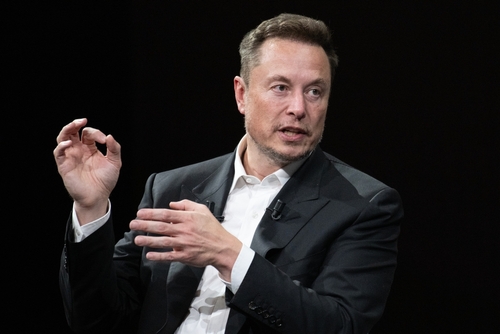
Tesla Stock Outlook: Competing With Rivian, Robotaxi Potential, and 2026 Prospects
There is much conversation about the prospect of investing in Tesla (TSLA) as we move closer to 2026. The volatility of its share price in 2025 is leading many investors to consider if they should purchase shares of Tesla given the alternatives available in terms of electric vehicles (Rivian, etc.).
A Crash After a Surge: Why Silver Lost 40% in a Week?
TradingKey - Spot silver (XAGUSD) prices continue to decline. Silver plunged 20% on Thursday, breaking below $71 per ounce, with the sell-off intensifying on Friday as prices fell further below $64. Compared to the all-time high set on January 29, silver prices have retraced more than 40%, wiping out nearly all gains accumulated over the previous month.
Is Bitcoin’s Four-Year Cycle Dead in 2026?
Is the Bitcoin 4-year cycle dead? After 2025 broke historical records with a red post-halving year, institutional analysts explore if the Bitcoin price has decoupled from the halving countdown. Analyze the impact of spot ETFs, global liquidity, and the roadmap to the 2028 halving in this 2026 market