UK considering earlier hike in defence spending, BBC says

LONDON, Feb 16 (Reuters) - The British government is considering bringing forward the target date for spending 3% of economic output on defence, a year after it last increased its planned budget for the military, the BBC reported on Monday.
Britain, which has warned of the risks posed by Russia, said in February 2025 that it would increase annual defence spending to 2.5% of GDP by 2027 and target 3% in the next parliament, which is expected to begin after an election due in 2029.
The BBC said Prime Minister Keir Starmer's aides were now looking at proposals to meet the 3% ambition by 2029. It said no decision had been taken but the government recognised current plans would not cover rising defence costs.
Starmer told the Munich Security Conference on Saturday that Europe had come together to support Ukraine with the supply of weapons and munitions, adding: "it is clear that we are going to have to spend more faster".
The latest NATO estimates show that Britain spent 2.3% of GDP on defence in 2024, above the 2% NATO guideline. But in line with other European countries it has come under pressure from the United States to spend more to protect the continent.
Struggling with high debt and spending commitments, the government last year cut its international aid budget in order to fund the hike in defence spending to 2.5% of GDP but is yet to publish an investment plan with spending priorities, something that has frustrated the defence industry.
Britain's budget watchdog, the Office for Budget Responsibility, said last year that increasing spending to 3% of GDP would cost an additional 17.3 billion pounds a year ($24 billion) in 2029-30.
Finance minister Rachel Reeves has struggled to remain on course to meet her targets for repairing the public finances. The BBC said the finance ministry was believed to be cautious about the new defence spending proposals. A government spokesperson declined to comment on any revised plans.
"The government is focused on delivering for defence," the spokesperson said. "We are delivering the largest sustained increase in defence spending since the Cold War, with an extra 5 billion pounds for defence this financial year alone."
($1 = 0.7332 pounds)
Related Articles
As Gold Rises and Silver Surges, Will Oil See a Major Rally in 2026?
TradingKey - In 2026, a monumental year of technological and geopolitical shifts, global commodities are undergoing a profound “repricing” transformation. An epic surge in gold and silver has already commenced, while oil—the “mother of all commodities”—may currently be in the calm before the storm.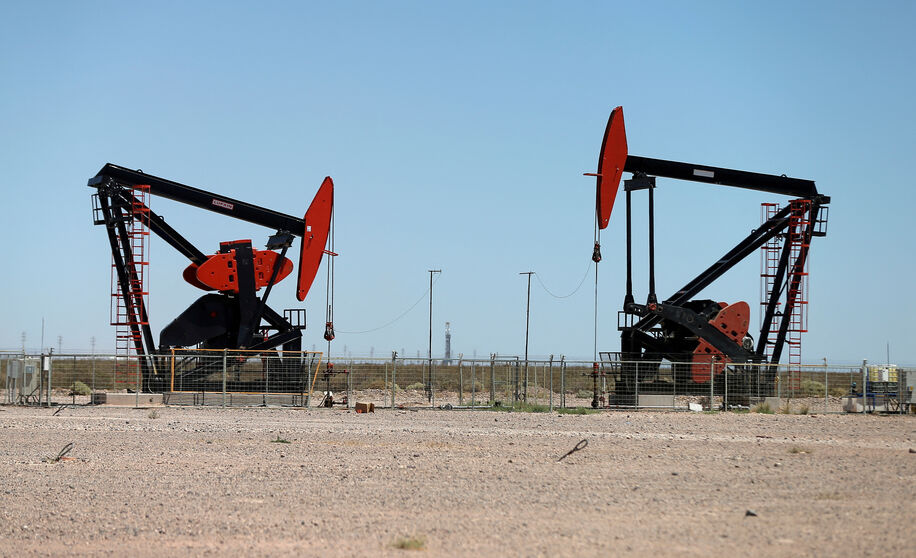
Should You Invest in the “Magnificent Seven” in 2026? One Stock or All of Them?
TradingKey - The Magnificent Seven defined markets in 2024 and remained at the heart of the 2025 story. Collectively, they have unparalleled control over AThe Magnificent Seven includes Nvidia (NVDA), Apple (AAPL), Alphabet (GOOG) (GOOGL), Microsoft (MSFT), Amazon (AMZN), Meta Platforms (META), and
Bitcoin Price Prediction 2029-2035: Institutional Accumulation and the U.S. Treasury’s Strategic Reserve Pivot
Explore the 2026 Bitcoin landscape: From the U.S. Strategic Reserve and Michael Saylor’s $75B war chest to Cathie Wood’s 2030 forecast. Is BTC the new Digital Gold?
Is SaaS Dead? The Truth Behind the Software Meltdown, the Missing Floor, and the Peak That’s Not Coming Back
TradingKey - A trillion dollars just vanished from software stocks—this piece breaks down who AI is really killing, who quietly benefits, and why cheap SaaS may be the biggest value trap of this cycle.