


Food & Drug Retailing
LIST1093Key Figures
Related Stocks













News
TradingKey - KR is testing $56.41 support ahead of Q2 earnings. Can cost control and improving eCommerce economics trigger a rebound toward $58?

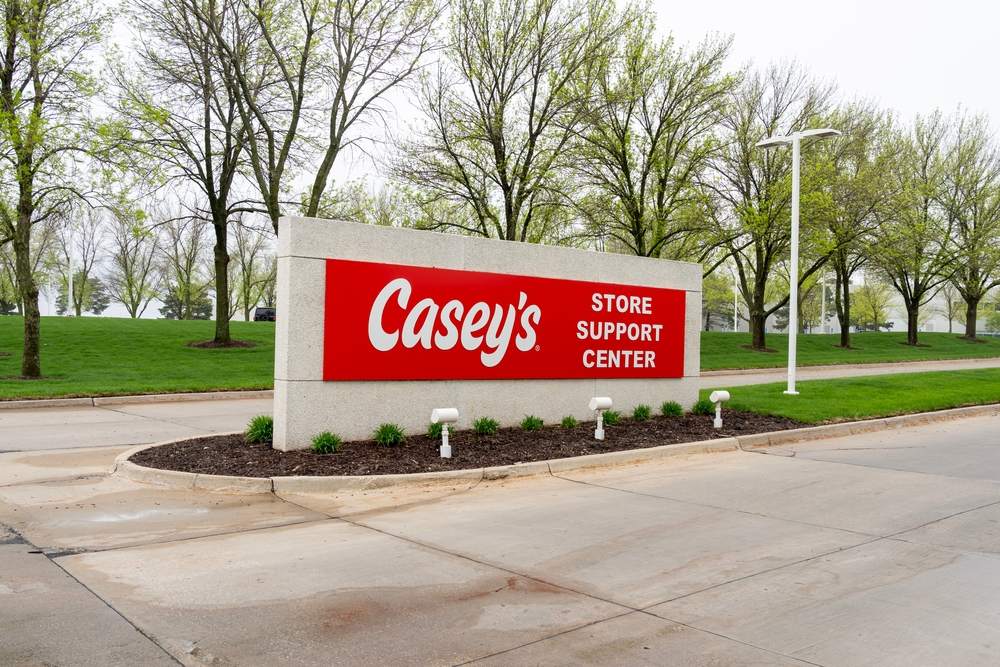
TradingKey - On September 9, department store chain Casey's (CASY) plunged nearly 12% in U.S. pre-market trading. Although the company's latest first-quarter fiscal results exceeded market expectations, investors were disappointed by the quality of profit growth and the lack of an upgrade to its full-year guidance.
TradingKey - On Wednesday, September 9 (ET), futures on the three major U.S. stock indices traded cautiously in pre-market action. As the military conflict between the U.S. and Iran escalated further, Brent crude broke above $100 per barrel for the first time since July. The surge in oil prices heightened market concerns over a resurgence in inflation and prolonged high interest rates, weighing on U.S. stock futures.

WMT Q2: Revenue $187.9B (+5.9%, beat), EPS $0.81 (+19%, beat). US comps 2.6% (MISS). Pharmacy headwind 125 bps. E-com 23%. Ads +38%. Guidance raised. Stock -9% to $103.50. Support $102.85. Fuel +$2B.

TradingKey - Walmart (WMT) delivered a second-quarter earnings report that looked impressive on the surface but revealed clear underlying concerns. The company's revenue and adjusted earnings per share both exceeded market expectations, and its full-year outlook for sales and operating profit was also raised. However, U.S. same-store sales growth slowed to its lowest level in more than six years, and third-quarter earnings guidance fell short of expectations, raising concerns among investors that its growth momentum is slowing down.
TradingKey - The impact of Bessent’s intervention in the bond market faded, while Trump’s threat of sanctions against Iran pushed up oil prices and reignited inflation concerns. At the close, the Dow Jones Industrial Average fell 1.32% to 52,759.21; the Nasdaq Composite Index dropped 1.00% to 26,06
