


Will SpaceX Merge With Tesla? Barclays Sees Progress This Year as AI Integration Proves Key



AI Podcast


Barclays analysts project a potential all-stock merger where SpaceX acquires Tesla prior to Tesla's 2026 annual shareholder meeting. Driven by artificial intelligence integration, the combined entity would unify models, chips, energy systems, and end-user devices, creating a $3.6 trillion enterprise. While strategic synergies in AI and chip manufacturing are compelling, the proposed transaction faces significant hurdles. Key challenges include complex valuation negotiations, potential conflicts of interest, increased capital expenditure concerns, and rigorous shareholder and regulatory approval processes.
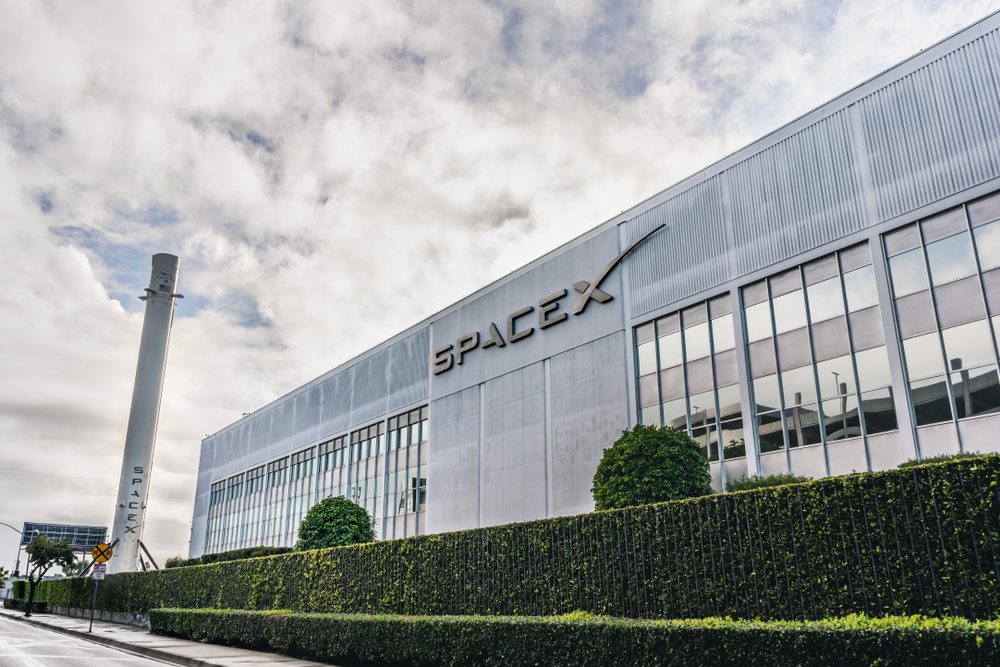
TradingKey - SpaceX (SPCX) and Tesla (TSLA) merger rumors are heating up.
Barclays (BCS) analyst Dan Levy stated in a recent report that the two companies could announce a merger prior to Tesla's 2026 annual shareholder meeting. Based on regulatory timing requirements, the meeting is expected to take place no later than December 6. If the merger proposal needs to be submitted to this shareholder meeting for a vote, the announcement could occur between late October and early November. However, the closer to the meeting date, the more difficult it will be to complete document preparation and secure shareholder support.
Merger Focus Is Not Cars and Rockets, but AI Vertical Integration
From the perspective of traditional business, Tesla produces electric vehicles, energy storage equipment, and robots, while SpaceX primarily operates rockets, satellite internet, and space infrastructure, appearing to belong to distinct fields. However, as both companies expand into artificial intelligence simultaneously, the boundaries between their businesses are blurring.
Tesla is developing Robotaxi, FSD, and Optimus, with a core focus on applying AI to real-world devices such as vehicles and robots. SpaceX, on the other hand, is positioning model training, connectivity services, and computing infrastructure through xAI, Grok, satellite networks, and orbital data centers. If the two companies merge, models, chips, energy, networks, and end-user devices could be integrated into a single system.
The Terafab chip project further strengthens this link. The facility is planned to manufacture semiconductors for Tesla vehicles, Robotaxi, and Optimus, while simultaneously meeting the chip demand for SpaceX's orbital computing satellites. Compared to separate investments, approvals, and procurement by the two companies, unified operations could reduce redundant spending and shorten technology deployment cycles.
Active commercial dealings already exist between the two sides. SpaceX previously purchased approximately $131 million worth of Cybertrucks, while SpaceX and xAI have also bought hundreds of millions of dollars of Tesla Megapack energy storage equipment. These transactions demonstrate that Tesla's energy and manufacturing capabilities have already become an integral part of Musk's space and AI ventures.
SpaceX May Become Acquirer in Deal
According to Barclays' projections, a potential deal is more likely to take the form of an all-stock transaction in which SpaceX acquires Tesla. Currently, SpaceX is valued at around $2.1 trillion, while Tesla's market capitalization stands at approximately $1.5 trillion, bringing the combined enterprise value close to $3.6 trillion.
Excluding an acquisition premium, Barclays estimates that each share of Tesla could be exchanged for roughly 0.7 shares of SpaceX, leaving existing Tesla shareholders with around a 40% stake in the combined company. However, the final exchange ratio will still depend on share prices prior to any announcement, board evaluations, and the outcome of negotiations between the two parties.
This arrangement could also strengthen Musk's control over the combined company. Musk holds about a 20% stake in Tesla while owning nearly half of SpaceX's economic interest, along with a higher percentage of voting rights driven by a dual-class share structure. If SpaceX's super-voting rights are retained, he could control more than half of the combined entity's voting power.
This may be a key reason why the deal appeals to Musk. Compared with the current setup where two separate boards review Terafab, AI investments, and related-party transactions, a merger would reduce internal coordination while bringing greater scrutiny to the issue of overly concentrated governance power.
Shareholder Vote Is Biggest Obstacle Facing Merger
Even if industrial synergies hold a degree of appeal, the deal would still face complex shareholder and regulatory scrutiny. Shareholders of both Tesla and SpaceX would likely need to approve the transaction, and key points of contention could include how interested directors recuse themselves from voting, whether the share exchange ratio is fair, and whether minority shareholder rights are adequately protected.
Some Tesla shareholders might worry that SpaceX, xAI, and orbital computing businesses—which have different profitability profiles and cash flow structures—would increase the company's capital expenditures. Meanwhile, SpaceX shareholders could question whether high-growth satellite and launch operations should be used to acquire Tesla, which remains under pressure from automotive demand.
Shareholder approval is another key hurdle. Barclays noted that a certain proportion of broker non-votes was present at Tesla's last annual general meeting, implying that if the company wants to push for approval of a major transaction, it will still need to focus on shareholder engagement and vote mobilization.
Overall, a merger between Tesla and SpaceX possesses clear industrial logic, particularly as the two companies develop increasing business overlap across AI models, chip manufacturing, energy storage systems, satellite networks, and smart devices. However, moving from strategic synergy to a formal transaction still requires overcoming multiple hurdles, including valuation, corporate governance, shareholder voting, and regulatory approval.
This content was translated using AI and reviewed for clarity. It is for informational purposes only.
Recommended Articles








Comments (0)
Click the $ button, enter the symbol, and select to link a stock, ETF, or other ticker.