


Fed Rate Hike Slams US Stocks as Three Major Indexes Plunge: Why SpaceX Stock Surged Over 5% Against the Trend



AI Podcast


On September 16, Eastern Time, the Federal Reserve raised benchmark interest rates by 25 basis points, triggering a market-wide decline. However, SpaceX surged 5.15% against the trend, driven by upcoming Starship 14 orbital tests and strategic military contracts exceeding $14 billion total. Furthermore, an anticipated Nasdaq-100 weighting increase from 1.28% to over 2.25% on September 21 is forcing passive fund inflows. While these catalysts have pushed the stock back above the key $150 psychological threshold, execution risks surrounding the upcoming flight test remain a critical volatility factor for investors.
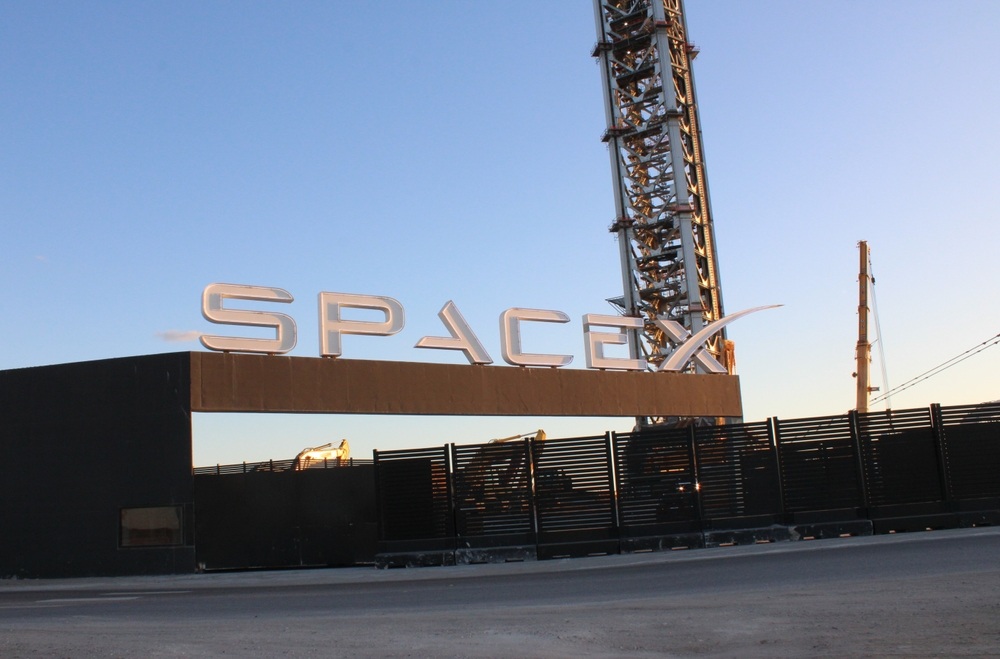
TradingKey - Hawkish Fed Decision Triggers Bloodbath as Three Major Indexes Plunge; What Drove SpaceX to Surge Over 5% Against the Trend?
On September 16, Eastern Time, the Federal Reserve (Fed) announced its latest interest rate decision, raising the benchmark interest rate by 25 basis points to 3.75%–4.00%, resuming rate hikes for the first time in nearly three years. Following the announcement, rate-sensitive tech stocks and the three major U.S. stock indexes fell sharply, but SpaceX (SPCX) stock defied the trend, surging 5.15% to close at $150.88.
The most direct driver behind SpaceX's independent rally is the company's official announcement that the 14th test flight of Starship (Starship 14) is scheduled for September 22. It is reported that while previous tests were mostly suborbital flights, this mission is planned to orbit the Earth six times. If successfully completed, it will provide crucial validation for Starship's long-term commercialization and cost reduction. In addition, this flight will deploy 26 Starlink V3 satellites for the first time, directly injecting a total transmission capacity of 26 Tbps into the Starlink network, significantly boosting internet speeds for enterprise users and generating commercial revenue on its initial run.
Another important catalyst was the U.S. Department of Defense's confirmation on the same day of breakthroughs in space weapons and military orbital systems, directly igniting the defense and aerospace sectors. Among these, SpaceX has cumulatively won over $8 billion in orders related to the U.S. military's "Golden Dome" missile defense and space interception program, while its classified Starshield military network has signed contracts worth over $6 billion with the Pentagon, solidifying its irreplaceable strategic position in national defense.
Additionally, SpaceX's weighting in the Nasdaq-100 Index will be significantly increased from 1.28% to 2.25%–2.82% during the index rebalancing on September 21. This means global ETFs and passive funds tracking indexes like QQQ will be forced to buy billions of dollars worth of SPCX stock in the coming days, attracting substantial speculative capital and short-term buyers positioning ahead of time.
Currently, SpaceX's stock price has once again broken through the $150 threshold, which was its opening price on its debut trading day and serves as a core psychological battleground for bulls and bears. Catalyzed by these positive factors, SpaceX's stock price is expected to continue trending higher with volatility. However, if next week's Starship 14 flight fails, SpaceX's stock price could pull back below $150 again.
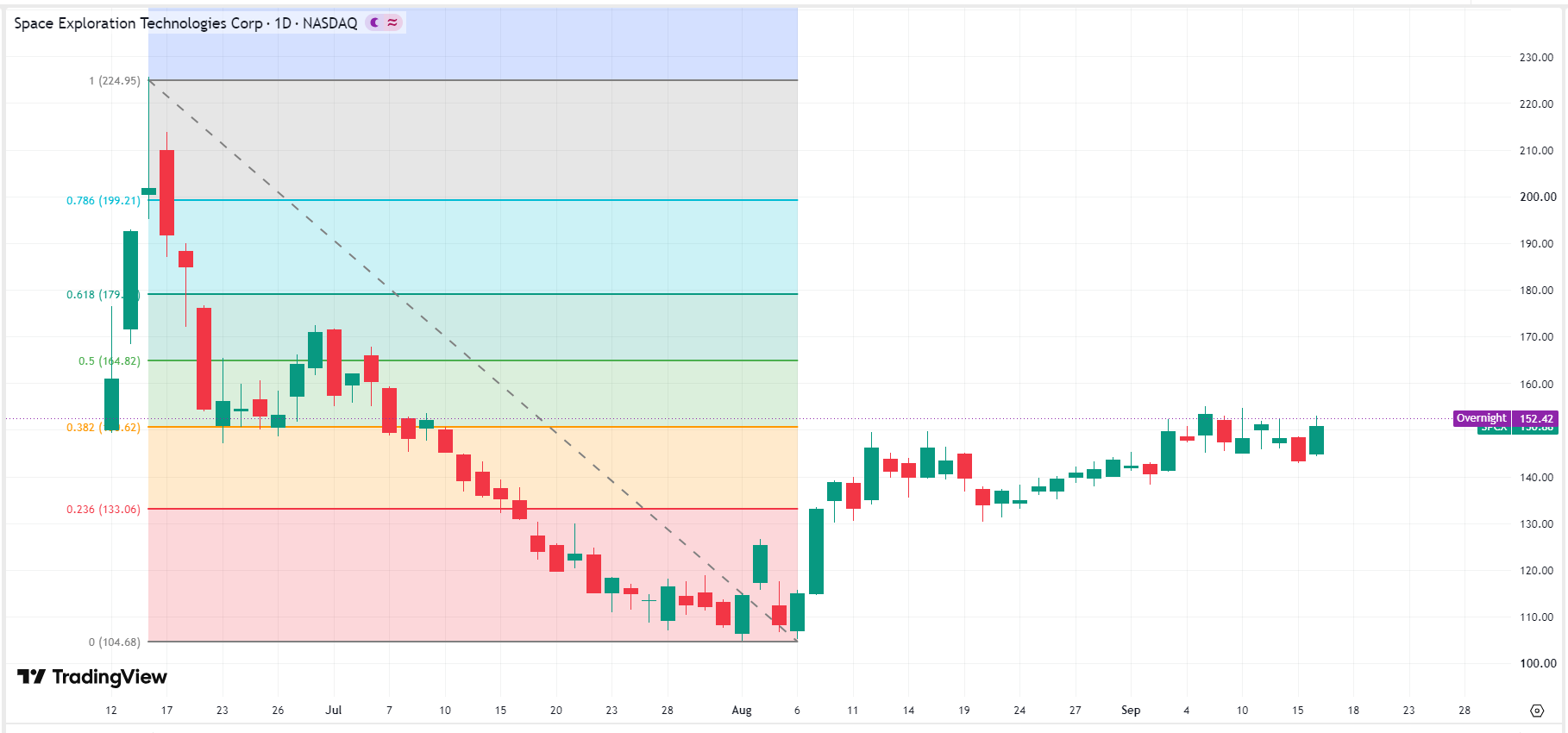 SpaceX stock price chart, Source: TradingView
This content was translated using AI and reviewed for clarity. It is for informational purposes only.
Recommended Articles







Comments (0)
Click the $ button, enter the symbol, and select to link a stock, ETF, or other ticker.