


US Stocks Tumble as Nasdaq Drops Over 4%; Micron Plunges Over 12% on Fears Slowing AI Data Center Expansion Will Dent Infrastructure Demand



AI Podcast


On November 5, Eastern Time, U.S. indices tumbled as Democrats' midterm victory sparked regulatory concerns for AI infrastructure and data centers, threatening deployment timelines. Chip stocks led declines, driven by widespread sector pressure and Qualcomm’s disappointing fourth-quarter fiscal 2026 handset chip revenue, which fell 26% year-over-year. Additionally, heightened scrutiny threatens SpaceX’s government contracts and Tesla’s autonomous driving business, raising compliance costs. While analysts view the AI capital outflow as potentially temporary, digesting election results and policy shifts suggests prolonged market volatility ahead.

TradingKey - On November 5, Eastern Time, the three major U.S. stock indices tumbled, with chip and AI infrastructure stocks continuing to face pressure. The Philadelphia Semiconductor Index plunged over 9%, hitting its lowest level since mid-April this year.
AI infrastructure faces a potential threat from a slowdown in data center construction. A sweeping victory by Democrats in the midterm elections sparked investor concerns over tighter regulation of the data center industry. If potential construction pauses materialize, they could delay the deployment of computing power and the delivery of upstream equipment, forcing a reassessment of the timeline for realizing future revenue.
As of 10:30 a.m. Eastern Time, the Dow Jones Industrial Average fell 1.45% to 52,583.69 points; the Nasdaq Composite Index dropped 4.16% to 24,666.74 points; and the S&P 500 Index lost 2.56% to 7,491.99 points.
Chip stocks led the declines: Advanced Micro Devices (AMD) tumbled 13.85%, Micron Technology (MU) fell 12.38%, Lam Research (LRCX) dropped 11.27%, Marvell Technology (MRVL) declined 11.25%, Qualcomm (QCOM) slid 10.20%, Intel (INTC) lost 8.19%, TSMC (TSM) dropped 7.99%, ASML (ASML) fell 7.25%, Broadcom (AVGO) declined 6.89%, and Nvidia (NVDA) slid 6.59%.
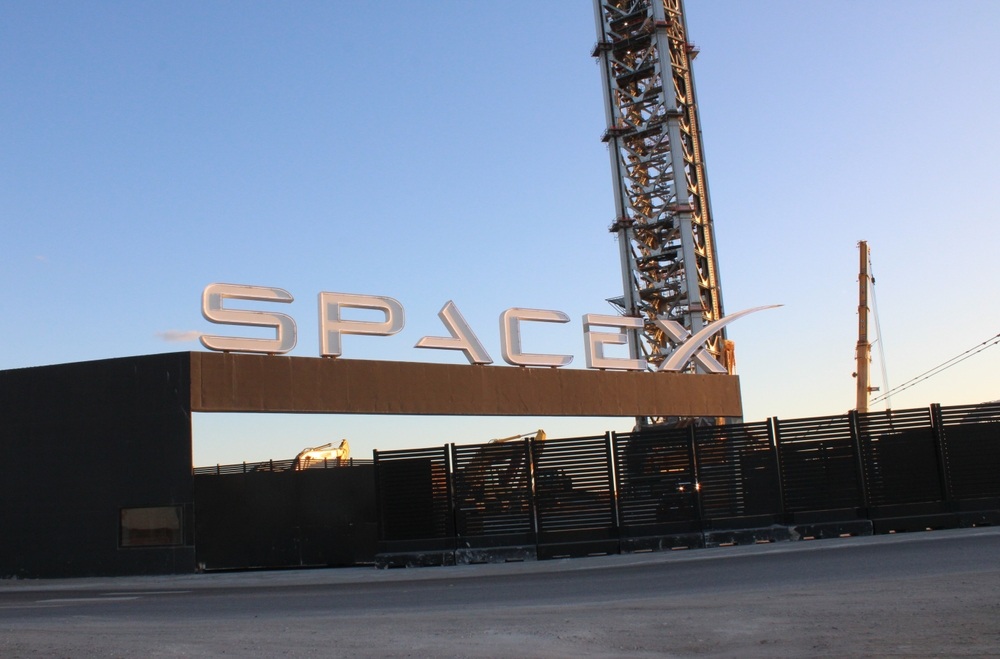
In addition, Elon Musk's SpaceX (SPCX) dropped over 9%, and Tesla (TSLA) plunged more than 10%. Following the Democratic victory, SpaceX's government and defense contracts as well as Tesla's autonomous driving business could face stricter scrutiny, potentially driving up compliance costs and increasing uncertainty surrounding contract procurement and business expansion.
Furthermore, Qualcomm's earnings report was one of the key catalysts triggering the day's decline. In the fourth quarter of fiscal 2026, the company's handset chip revenue was $5.137 billion, down 26% year-over-year. According to Reuters, sales in this segment fell short of expectations, impacted by weak smartphone demand and a decline in Apple-related revenue. Although management reiterated its target of $5 billion in data center revenue for fiscal 2027, the lag between the ramp-up of new business and the downturn in core smartphone revenue continues to weigh on short-term earnings.
Jordan Watson, portfolio manager at Tandem Investment Advisors, noted that the stock market rally and the trend of capital pulling out of artificial intelligence stocks may only be temporary phenomena. However, as investors digest the election results and their potential policy implications, the market could face more volatility.
This content was translated using AI and reviewed for clarity. It is for informational purposes only.
Recommended Articles








Comments (0)
Click the $ button, enter the symbol, and select to link a stock, ETF, or other ticker.